10 Easy Steps to Roast Cashews in a Pan for Perfectly Toasted Nuts
Roasting cashews in a pan might seem like the most intimidating kitchen task ever, but it’s actually straightforward once you get the hang of it. With these easy steps to roast cashews in a pan, you’ll find that just a few simple techniques can transform raw nuts into perfectly golden, flavorful snacks.
Stick with me, and I’ll walk you through the process so you can enjoy fresh, toasted cashews anytime without fuss or fancy equipment. This method is quick, simple, and requires only a stove and a pan.
Whether you want to enhance recipes or snack on something delicious, learning how to roast cashews in a pan is a handy kitchen skill. Let’s get started!
Gather Your Ingredients and Equipment
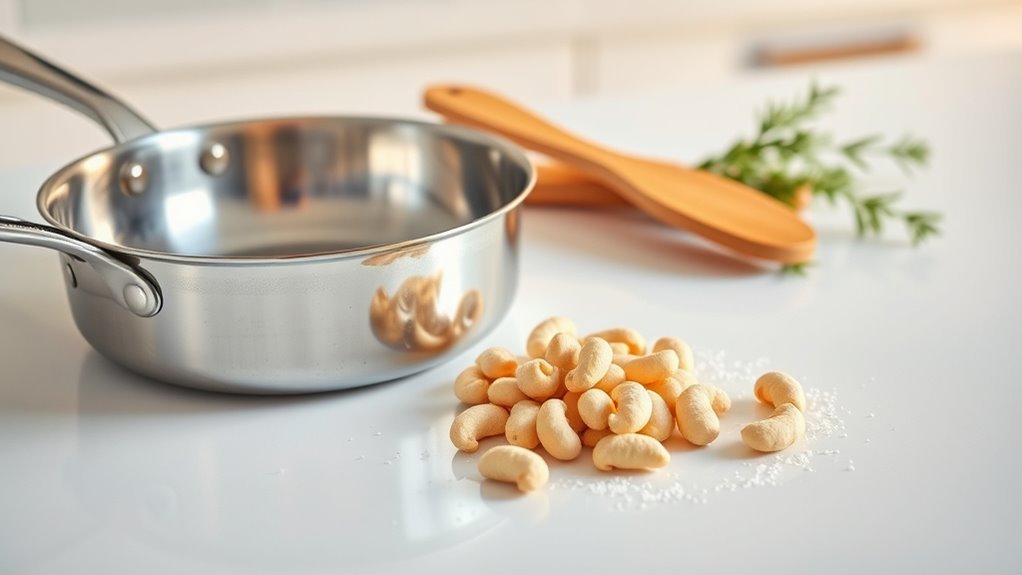
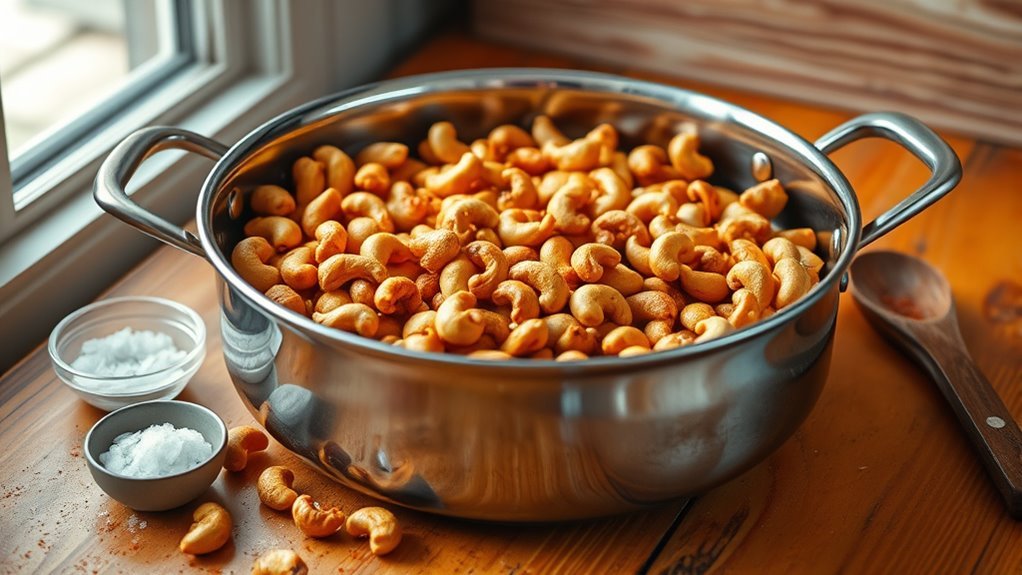
Before you begin roasting cashews, gather 1 cup of whole raw cashews and a medium skillet or cast iron pan. Using whole raw cashews guarantees even roasting and better texture.
You’ll want a skillet that distributes heat evenly, making it easier to roast cashews without burning them. Set your stove burner to medium heat for the best results, as this temperature allows the nuts to toast slowly and develop a rich flavor.
Keep a wooden spoon or spatula handy to toss the raw cashews frequently while they roast. Don’t forget to have a heat-resistant pan holder or oven mitt nearby to handle the hot skillet safely.
With these ingredients and tools ready, you’re set to roast cashews perfectly on your stovetop.
Preheat the Skillet Properly
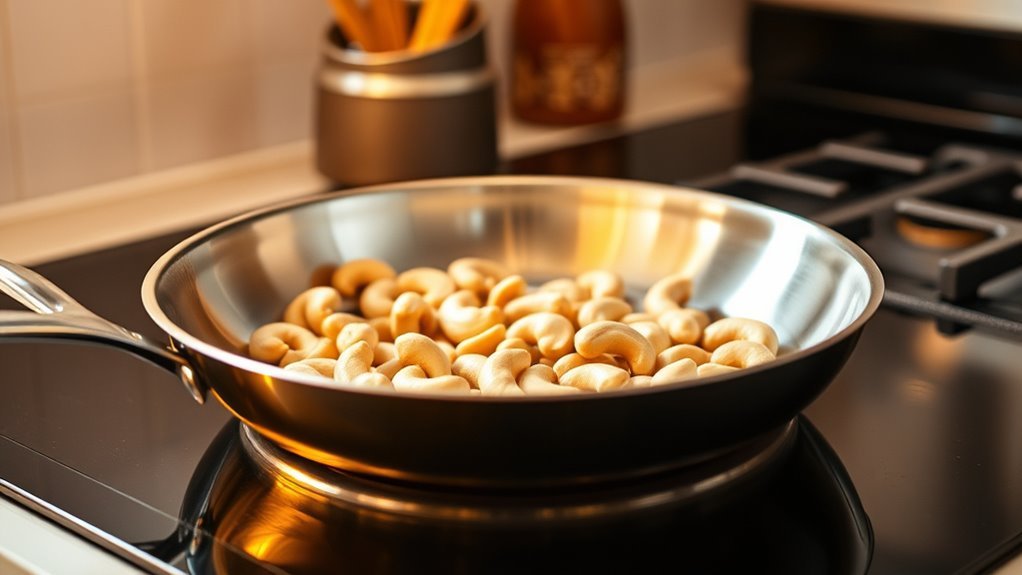
Once you’ve gathered your cashews and skillet, the next step is to heat the pan properly. To get the best results, preheat skillet over medium-high heat for 2-3 minutes until it’s a hot pan. Use a cast iron skillet for even heating, which helps prevent hot spots and sticking.
Perform the water test by sprinkling a few drops on the pan; if they sizzle immediately, the skillet’s ready. Avoid adding cashews to a cold skillet as it causes uneven cooking and dull flavor.
| Step | Action | Reason |
|---|---|---|
| 1 | Preheat skillet 2-3 mins | Achieves hot pan |
| 2 | Use cast iron skillet | Ensures even heating |
| 3 | Perform water test | Confirms skillet readiness |
| 4 | Avoid cold skillet | Prevents sticking & uneven roast |
Add Raw Cashews to the Hot Pan
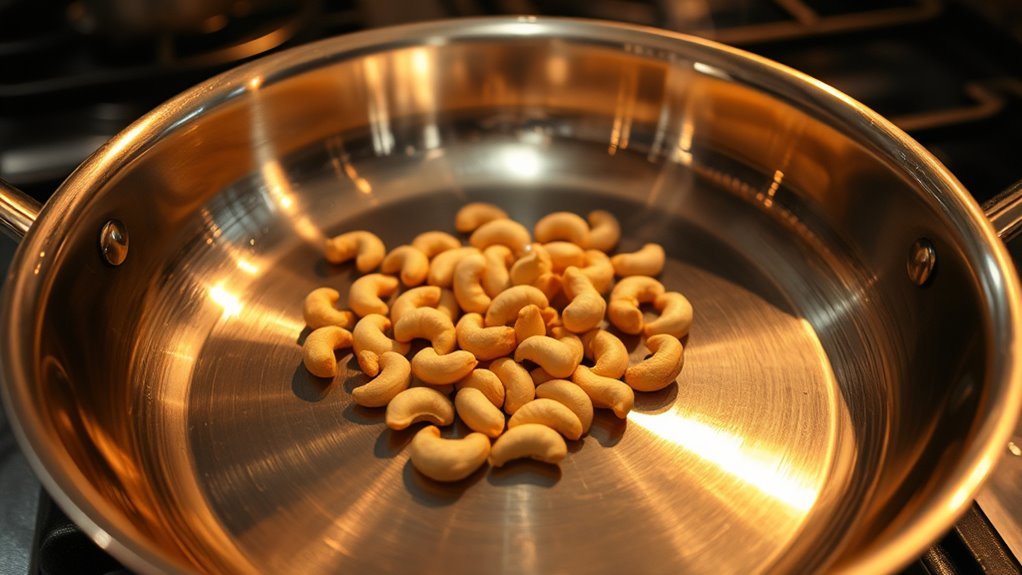
While the skillet is hot, add one cup of raw cashews to it, spreading them evenly to guarantee they roast uniformly. Use medium-high heat to get the best results.
As the cashews start to warm, keep an eye on their progress. Here’s what you should do:
- Toss the cashews occasionally with a wooden spoon to prevent sticking and promote even browning.
- Watch for them to turn a golden brown color, which usually takes about 3-5 minutes.
- Notice the toasty aroma as a sign they’re perfectly roasted.
Adding the raw cashews to the skillet this way ensures they roast evenly without burning. Stay attentive, and you’ll enjoy delicious, perfectly roasted cashews every time.
Stir Cashews Continuously for Even Roasting
Because cashews can burn quickly if left unattended, you’ll want to stir them continuously to guarantee even roasting. Stirring keeps the nuts in constant movement, preventing them from sitting too long in hot spots that cause uneven cooking or burning.
By stirring every 30 seconds, you ensure all cashews receive consistent heat, promoting even roasting and a uniform color throughout. This constant movement also reduces the risk of sticking to the pan, making the process smoother.
Maintaining a steady stirring rhythm during the 8-10 minute roast helps develop a crispy texture and balanced flavor. In short, constant stirring is key to achieving perfectly toasted cashews with a consistent golden-brown finish every time.
Monitor the Color and Aroma Closely
As you roast cashews, keep a close eye on their color and aroma since they can shift from golden to burnt in just 30 seconds. You need to monitor them carefully to achieve the perfect toast.
Pay attention to the following:
Monitor color, aroma, and stir constantly for perfectly toasted cashews every time
Watch for a light golden brown color on the edges and flat sides, signaling even roasting.
Smell the pan frequently; a nutty, toasty aroma indicates the cashews are nearly done.
Stir or shake the pan constantly to ensure even roasting and catch any quick changes in color or aroma.
Once the cashews reach the desired color and release that rich aroma, remove them from heat immediately. This prevents overcooking and keeps your nuts perfectly toasted.
Add Olive Oil and Salt for Flavor
To bring out the best flavor in your cashews, add a teaspoon of extra virgin olive oil and a pinch of salt before roasting.
Toss the raw cashews thoroughly in the olive oil and salt mixture to guarantee they’re evenly coated.
This coating not only enhances flavor but also helps distribute heat evenly during roasting. Olive oil acts as a heat conductor, promoting uniform browning and preventing burning.
The salt complements the natural nuttiness, boosting flavor enhancement without overpowering.
Using about one teaspoon of olive oil per cup of cashews keeps them from becoming greasy while ensuring the seasoning sticks well. This simple step elevates your cashews, making them savory, aromatic, and perfectly prepared for roasting.
Continue Roasting for Desired Toastiness
Once your cashews turn a lovely golden color, keep roasting them for another 1 to 3 minutes to deepen their toastiness. During this stage, you’ll want to stir frequently to guarantee even roasting and prevent any spots from burning.
Pay close attention as you monitor color changes. Aim for a uniform golden-brown without letting any pieces darken excessively.
You’ll know they’re nearly ready when you notice a rich, aromatic aroma filling the kitchen. To get the best results:
A rich, aromatic aroma filling the kitchen signals your cashews are perfectly toasted and nearly ready.
- Stir frequently to maintain even roasting and avoid burning.
- Monitor color carefully to achieve a consistent golden-brown tone.
- Trust your nose for that toasty, aromatic aroma signaling perfect toastiness.
Keep your focus here to perfect the flavor and texture you want.
Remove Cashews From Heat Promptly
Although the cashews may look perfectly toasted, you should remove the skillet from the heat immediately when you see a golden color and smell that rich, nutty aroma.
Removing heat at this point is essential to prevent burning and preserve the nuts’ flavor.
If you leave them on the heat, the roasting process continues too long, causing the cashews to become bitter or charred.
By promptly taking the pan off the stove, you let residual warmth finish roasting gently, ensuring ideal browning without risking overcooking.
After removing heat, transfer the cashews to a cool surface or bowl to stop further cooking quickly during cooling.
This step locks in their perfect toast and keeps them tasting fresh and delicious every time.
Let Cashews Cool Completely Before Storing
After roasting, you’ll want to let the cashews cool completely on a plate or baking sheet for at least 15 to 20 minutes before storing them. This step is essential to prevent moisture buildup, which can lead to sogginess and clumping.
Cooling also helps the cashews retain their signature crunch and flavor. Once cooled, transfer them to an airtight container for proper storage.
Remember:
- Don’t seal warm cashews immediately to avoid trapped heat.
- Letting them cool completely preserves texture and taste.
- Use an airtight container to keep freshness and avoid rancidity.
Following these tips ensures your roasted cashews stay crisp and delicious every time you reach for a handful.
Store Toasted Cashews for Maximum Freshness
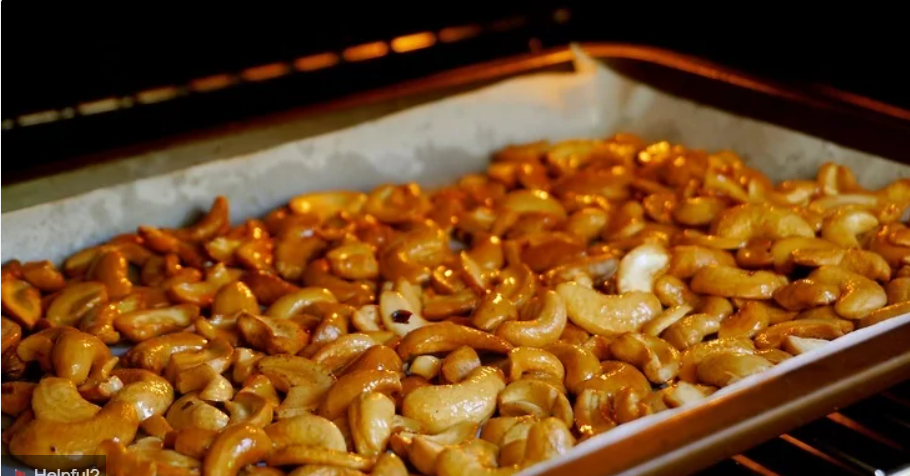
To keep your toasted cashews fresh and flavorful, store them in an airtight container that blocks air and moisture. This helps with freshness preservation and moisture prevention. Next, place the container in a cool dark place to avoid sunlight, which can degrade flavor.
For extended shelf life, refrigerate or freeze your cashews. Always guarantee cashews are completely cooled before storing to prevent condensation.
| Storage Method | Duration |
|---|---|
| Room Temperature | Up to 2 weeks |
| Cool Dark Place | Up to 1 month |
| Refrigerator | 4-6 months |
| Freezer | Up to 1 year |
| Airtight Container | Essential for all |
Following these steps guarantees your toasted cashews stay crisp and tasty longer.
Frequently Asked Questions
How Do You Roast Cashews in a Pan?
You heat a skillet over medium-high, toss raw cashews frequently for about 4 minutes until golden and aromatic.
Then, remove from heat, add salt or oil if you want, and let them cool before enjoying.
How to Roast Cashews Without an Oven?
You don’t need a fancy oven to roast cashews; just grab a skillet, crank the heat to medium-high, toss in your nuts, stir like a whirlwind for 4-5 minutes, and voilà perfectly toasted cashews ready to crunch!
How Long Should Cashew Nuts Be Roasted?
You should roast cashew nuts for about 4 to 8 minutes, stirring frequently. Keep an eye on them to avoid burning, and remove them once they’re golden brown and fragrant for the best flavor.
What’s the Best Way to Roast Cashews Evenly?
Think of roasting cashews like painting a canvas. You’ve got to spread them out evenly in a hot pan and stir every minute or two.
That way, each nut gets its perfect golden glow without burning.
Conclusion
Roasting cashews is like awakening hidden treasures—their golden hue and rich aroma reveal the magic inside each nut. By patiently stirring and watching them transform, you’re not just cooking; you’re crafting moments of warmth and flavor.
Letting them cool seals this alchemy, preserving their crisp perfection. Keep them stored well, and every handful will remind you that simple care can turn everyday ingredients into something truly special.
Enjoy your roasted cashews! Following these easy steps to roast cashews in a pan ensures you get perfectly roasted nuts every time.