How to Make Pan Gravy: 10 Simple Steps for Rich, Flavorful Gravy
You’ve just roasted a perfect piece of meat, and now you want to transform those flavorful drippings into a rich, silky pan gravy. Making pan gravy is easier than you might think, and with the right steps, you can elevate your meal effortlessly.
But before you start whisking and simmering, there are a few key techniques to keep in mind. These simple tips will make all the difference in achieving that ideal texture and taste for your homemade pan gravy.
Follow these steps to create a delicious sauce that complements your roast perfectly.
Gather Pan Drippings and Strain
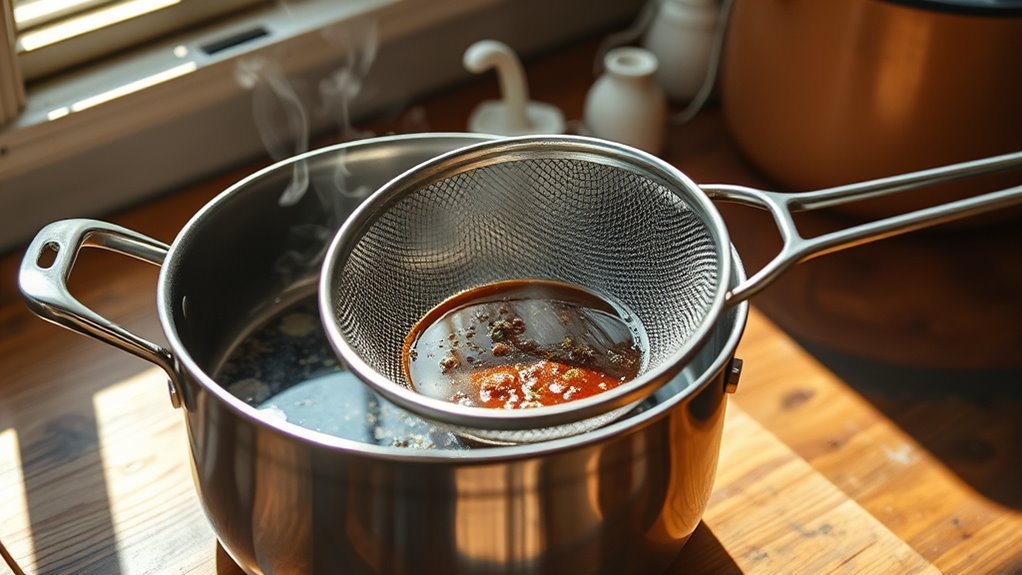
Before you begin making your gravy, pour the roasted meat pan drippings through a fine-mesh strainer set over a bowl or saucepan. Use a spoon to press the browned bits and juices through the strainer, ensuring you extract maximum flavor.
Pour pan drippings through a fine-mesh strainer, pressing browned bits to capture deep, rich flavor for your gravy.
If the pan drippings have stubborn bits stuck to the pan, gently heat them to loosen these before straining.
As you strain, discard any solids such as bones, vegetables, or charred bits left behind.
This process captures the rich liquid essential for your gravy. Once strained, measure the liquid to understand how much fat and flavorful juices you have, which will help you create a perfectly balanced gravy.
Straining the pan drippings is a key step to achieve a smooth, delicious sauce.
Separate and Measure the Fat
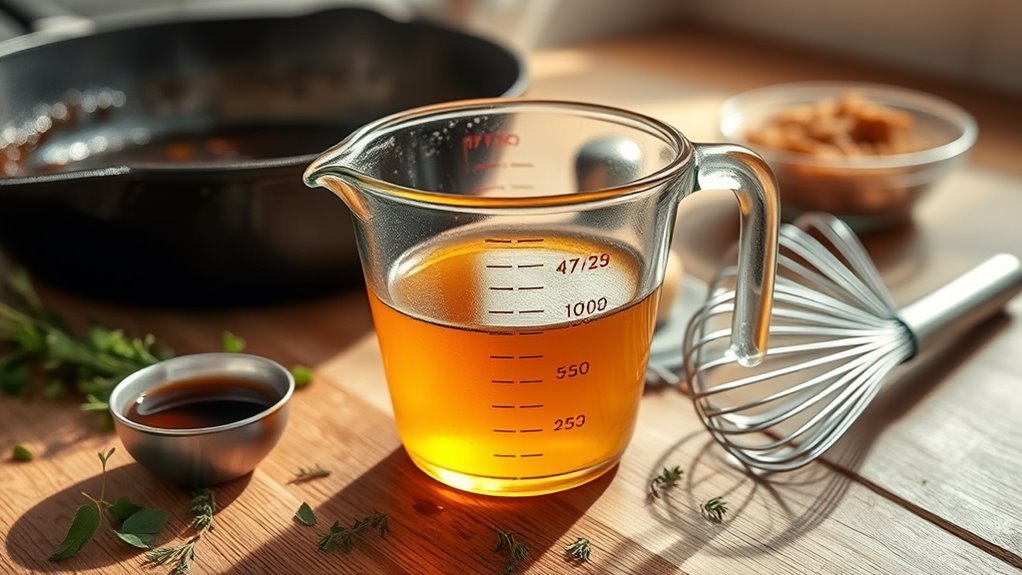
Once you’ve strained the pan drippings, pour them into a heatproof bowl or measuring cup and let the fat rise to the top. Allow the drippings to sit for a few minutes so the fat can separate naturally, making skimming easier.
Using a spoon or a gravy separator, carefully skim off about 2-3 tablespoons of the solidified fat. Be precise and measure the fat with a tablespoon to ensure you have the right amount for your gravy recipe.
The remaining juices and solids can be discarded or saved for other cooking uses, but removing excess fat is essential for a smooth, well-balanced gravy.
This step of separating and measuring the fat ensures your pan gravy will have the perfect texture and flavor.
Heat Fat Over Medium Heat
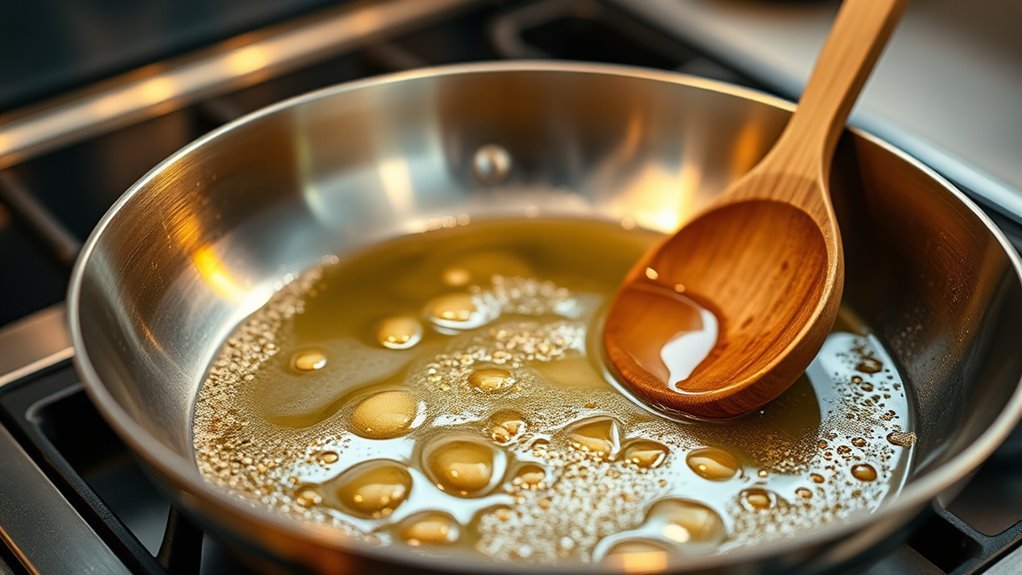
How hot should the fat be before you add flour? For making pan gravy, heat the fat over medium heat until it shimmers, indicating it’s hot enough for cooking. Aim for a cooking temperature between 325°F and 375°F. Using a thermometer can help you hit this range precisely.
Avoid turning the heat too high, as this risks burning the fat or causing splatters when you add other ingredients. Once the fat reaches the right temperature and is hot but not smoking, gently swirl the pan to evenly distribute it.
This swirling ensures an even base for your gravy, preventing hot spots. Properly heated fat is the key to smooth, flavorful pan gravy, setting you up perfectly for the next step.
Whisk in Flour to Form a Roux
With the fat shimmering and evenly heated, you’re ready to whisk in the flour. Gradually add the flour to the hot fat, whisking constantly to fully incorporate it and prevent lumps.
Adding the flour slowly is key to forming a smooth roux with a paste-like consistency, thick yet pourable. As you whisk, make sure the roux combines evenly without clumps.
Slowly adding flour ensures a smooth, thick yet pourable roux free of lumps.
This step sets the foundation for thickening your gravy later.
Once incorporated, you’ll cook the roux over medium heat, stirring constantly to develop flavor and remove the raw flour taste. Properly whisked and combined, your roux will have a smooth texture, essential for a rich, well-balanced gravy.
Cook the Roux Until Light Golden
As you whisk the flour into the hot fat, keep the heat at medium and stir constantly to prevent burning. This step is essential because the roux needs to cook evenly without sticking or scorching.
Continue stirring constantly for about 2 to 3 minutes until the roux turns a light golden color. This golden hue signals that the flour is cooked enough to eliminate any raw taste and will effectively contribute to gravy thickening.
Pay close attention here. Overcooking the roux can darken its color and change the flavor profile, which isn’t ideal for your pan gravy.
Gradually Add Warm Stock While Whisking
Once your roux has reached that perfect light golden stage, gradually whisk in warm stock to build your gravy’s base. The key here is the gradual addition of the stock while whisking constantly to prevent lumps and assure a smooth gravy.
Pouring small amounts, about ¼ cup at a time, allows the roux to absorb the liquid evenly without clumping.
Remember these points:
- Add warm stock slowly to avoid lumps and promote even mixing.
- Maintain steady whisking to distribute the liquid and prevent raw flour taste.
- Gradual addition helps thicken the gravy consistently without separation. This technique guarantees a silky texture and a rich flavor, setting you up perfectly for the next step in your pan gravy journey.
Bring Mixture to a Boil and Simmer
After your gravy reaches the desired thickness, increase the heat slightly to bring it to a gentle boil.
As the mixture begins to bubble, stir continuously to guarantee even heat distribution and prevent lumps. Watch closely for small, consistent bubbles breaking the surface.
This steady simmer signals the perfect gentle boil.
Maintain this gentle boil for 1 to 3 minutes, allowing the gravy to finish thickening and the flavors to meld beautifully.
If the simmer gets too vigorous, reduce the heat to low to keep it steady without boiling over.
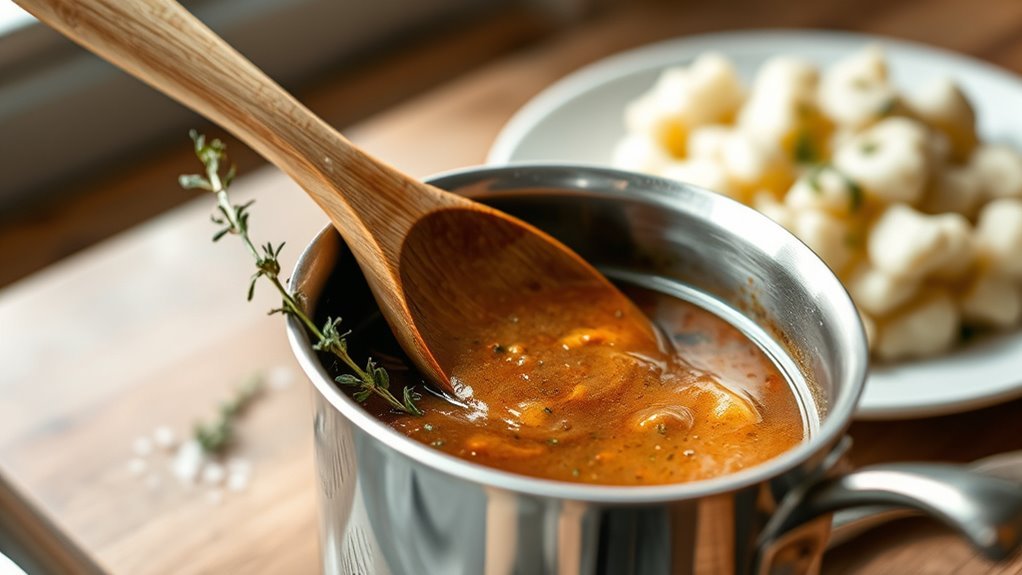
This careful control during boiling and simmering enhances the gravy’s texture and taste, setting the stage for a rich, smooth finish.
Adjust Thickness and Consistency
While simmering helps develop flavor, you’ll want to adjust the thickness and consistency of your gravy to match your preference. Here’s how to do it effectively:
- For thickening gravy quickly, whisk in a cornstarch slurry or sprinkle in a bit of flour, then simmer until the gravy reaches your desired consistency.
- If the gravy is too thick, gradually add warm broth or water while whisking, testing the consistency after each addition.
- To intensify and thicken the gravy naturally, continue to simmer it uncovered for 5-10 minutes to reduce the liquid and concentrate flavors.
Season With Salt and Pepper
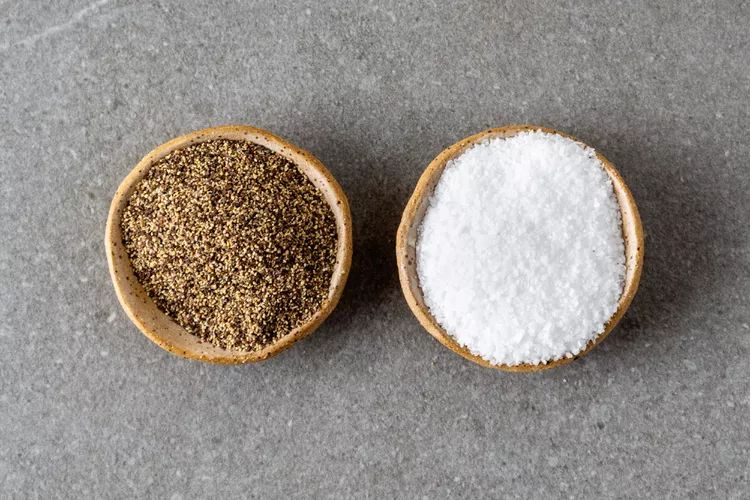
To bring out the full flavor of your pan gravy, start by seasoning it with salt and freshly ground black pepper. Since pan drippings often contain some salt, taste your gravy first before adding any seasoning.
Begin with about 1/4 teaspoon of salt, then adjust gradually to avoid over-salting. Add freshly ground black pepper either during the final simmer or sprinkle it on top just before serving for a bright, fresh kick.
This simple seasoning enhances the gravy’s depth without overpowering it. If you want to elevate the flavor further, consider adding a pinch of herbs or spices alongside the salt and pepper.
Strain and Serve Hot
How do you achieve that perfectly smooth pan gravy? The secret lies in straining and serving it hot. First, place a fine-mesh sieve over a heatproof bowl or gravy boat. Then, carefully pour your hot gravy through the sieve.
To make sure you get every bit of flavor, gently press the gravy with a spoon or spatula, extracting all the liquid while leaving solids behind.
Finally, discard those solids and serve your gravy immediately to enjoy its best flavor and texture.
- Strain the hot gravy through a sieve to remove solids.
- Press gently to extract all liquid for silkiness.
- Serve the strained gravy hot for ideal taste and consistency.
Frequently Asked Questions
How to Make Gravy From the Pan?
You pour off excess fat, whisk in flour to form a roux, then slowly add warm stock while stirring. Boil until thickened, strain if you want it smooth, and your pan gravy’s ready to serve!
How to Make Gravy With Easy Steps?
You might think making gravy’s tricky, but you’ll whisk flour into hot drippings, slowly add warm stock, then simmer until thickened.
Season, strain if you want, and pour over your meal. It’s easier than you expect!
How to Make a Very Quick Gravy?
To make a very quick gravy, whisk flour into hot pan drippings, slowly add warm stock while stirring, boil until thickened, season with salt and pepper, then serve immediately.
You’ll have flavorful gravy in minutes!
Can I Make Gravy With Just Flour and Water?
You can sail with just flour and water, but your gravy ship will drift thin and bland. Add butter or broth to chart a richer course, turning simple ingredients into a savory voyage worth savoring.
Conclusion
Now that you’ve mastered the art of coaxing every last drop of flavor from your pan, you’re ready to turn humble drippings into a luscious, golden hug for your meal. With just a few simple steps, you can elevate any dish from ordinary to unforgettable.
So, don’t let those tasty treasures go to waste—whip up your pan gravy and watch your dinner guests savor every comforting, velvety bite. It’s your secret weapon for delicious success!
Making pan gravy adds a rich, savory touch that perfectly complements your main course. By following these easy steps, you ensure your meal is enhanced with the best flavors. Embrace the magic of pan gravy and transform your cooking today!