10 Easy Steps to Perfectly Pan-Cook Sablefish
Like mastering a classic recipe passed down through generations, cooking sablefish in a pan requires a careful balance of technique and timing. To achieve the best results, you’ll want to start with the right sablefish fillet and end with a perfectly crisp skin and tender interior.
Getting there isn’t complicated, but there are key steps you can’t skip if you want that ideal texture and flavor. Let’s walk through the essential process to make sure your sablefish turns out just right.
Select Fresh Sablefish Fillets
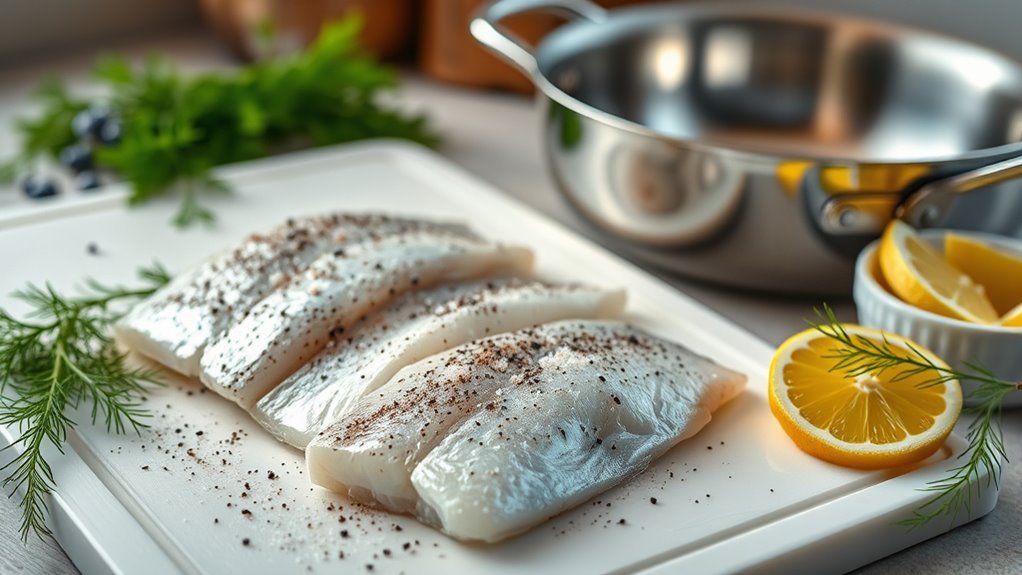
Before you start cooking, make sure you select fresh sablefish fillets that are bright, firm, and have translucent flesh with a shiny, moist appearance.
Pay close attention to the firmness by gently pressing the fillets; they should spring back without leaving an indentation.
Choose fillets with the skin attached, looking for a silvery sheen without any dryness or discoloration.
A clean, ocean-like smell indicates freshness, so avoid any strong fishy or ammonia odors.
Also, pick fillets that are evenly thick to ensure they cook uniformly, avoiding thin edges that might overcook quickly.
Finally, check packaging or labels for freshness and prefer wild-caught sablefish from reputable sources to guarantee top quality for your meal.
Prepare the Fillets for Cooking
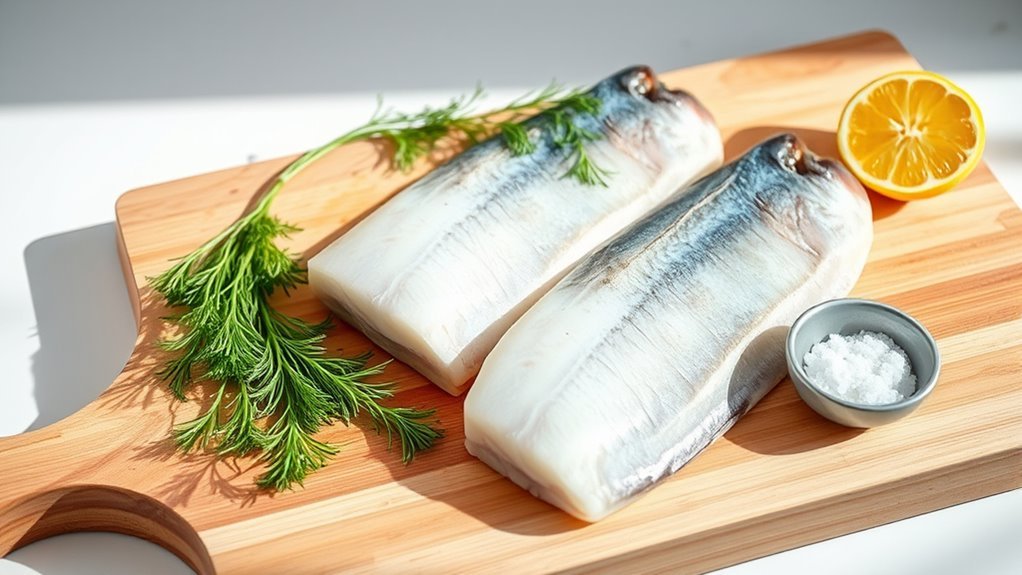
Once you’ve selected your sablefish fillets, rinse them under cold water to wash away any surface impurities, then pat them dry thoroughly with paper towels or a clean cloth. Removing excess moisture is key to achieving a perfect sear and crispy skin during cooking.
Rinse sablefish fillets with cold water and dry thoroughly for a perfect sear and crispy skin.
Next, check the fillets for any pin bones using a sharp knife and remove them carefully with tweezers or fish bone pliers. This step ensures a smooth eating experience.
While seasoning is important, save detailed seasoning tips for the next step. For now, just prepare your fillets by ensuring they’re dry and bone-free.
Letting the fillets rest at room temperature for 15-20 minutes before cooking also helps them cook evenly, setting you up for a delicious pan-cooked sablefish meal.
Season the Fish Properly
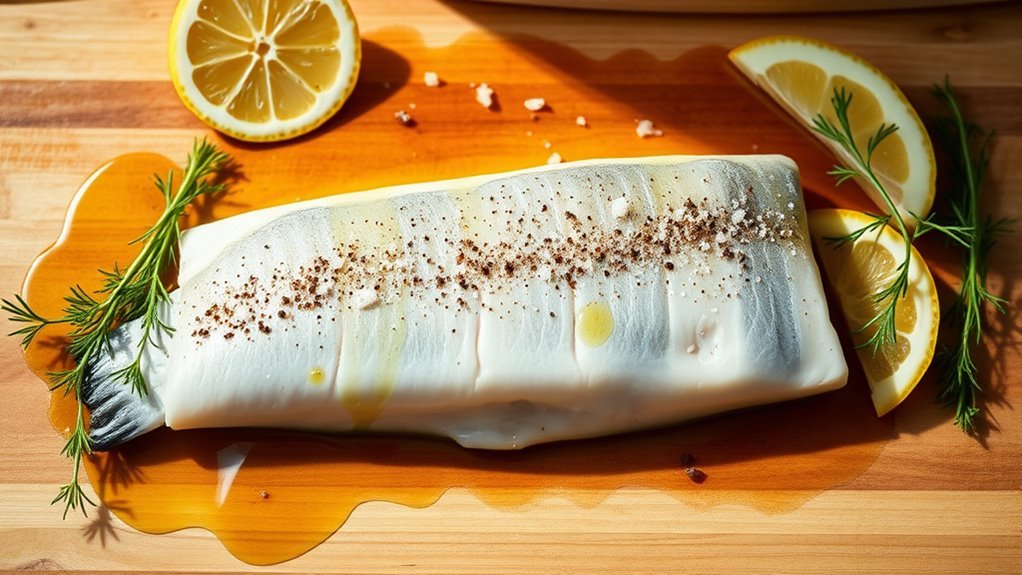
With your fillets dry and free of bones, it’s time to bring out their flavor through proper seasoning. Generously sprinkle salt and freshly ground black pepper on both sides. Add garlic powder or your favorite seasonings for extra depth.
Don’t forget to include lemon zest or fresh herbs like thyme to enhance the buttery taste. Let the fillets rest at room temperature for 15-20 minutes before cooking. This helps the seasoning penetrate and promotes even searing.
| Seasoning | Purpose | Tip |
|---|---|---|
| Salt | Enhances natural flavor | Use kosher or sea salt |
| Black Pepper | Adds mild heat | Freshly ground preferred |
| Garlic Powder | Adds depth | Optional |
| Lemon Zest | Brightens flavor | Use fresh zest |
| Fresh Herbs | Complements richness | Thyme or parsley suggested |
Heat the Pan and Oil
Although it might seem simple, heating the pan and oil correctly is essential to achieving a perfect sear on your sablefish.
Start by preheating your skillet over medium-high heat for about 2 to 3 minutes until it’s hot.
Then, add 1 to 2 tablespoons of a high-smoke-point oil like avocado or canola oil. Swirl the oil to coat the skillet evenly.
Wait until the oil shimmers and begins to sizzle. This means it has reached the right temperature for searing, typically between 375°F and 400°F.
You can test the temperature by flicking a small drop of water into the oil; it should sizzle immediately.
Getting the oil hot enough *guarantees* a crispy skin without burning your fish.
Place the Fish Skin-Side Down
Before you add the sablefish to the pan, make sure it’s hot and ready. Carefully place the fish skin-side down, lowering it away from your hand to avoid splatters. This step is essential for getting that crisp, golden skin.
Resist the urge to move the fish immediately; let the skin sear undisturbed for 4-5 minutes. The pan’s heat will work its magic, creating a beautiful crust that releases easily when it’s ready to flip.
| Action | Purpose |
|---|---|
| Place skin-side down | Protect fillet, crisp skin |
| Lower carefully | Prevent hot oil splatter |
| Let sear undisturbed | Develop golden crisp crust |
Press the Fillets for Even Contact
Two key seconds of gentle pressure can make all the difference when searing sablefish fillets. To guarantee even contact and promote a crispy skin, you need to press the fillets right after placing them in the hot pan. Here’s how:
- Use a fish spatula or flat utensil to gently press the fillet down.
- Maintain steady pressure for about 15 seconds to keep the fish flat.
- Avoid moving or flipping the fillet during this time to allow a uniform crust to form.
- This pressing step helps prevent curling and sticking, ensuring maximum skin contact for even searing.
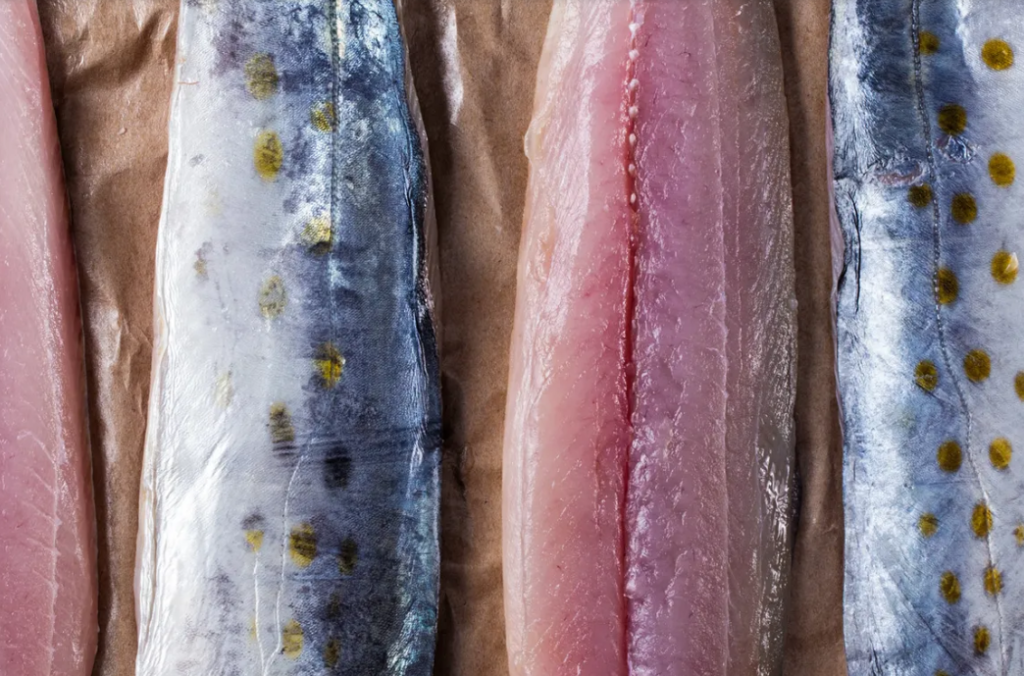
Cook Until Skin Is Crispy
To get that perfect crispy skin on your sablefish, start by heating your skillet over medium-high heat until the oil shimmers. Use a good amount of olive oil for pan-frying to prevent sticking and promote even browning.
Before placing the fish in the pan, pat your sablefish fillet dry with paper towels to remove excess moisture. This is key for achieving crispy skin.
Pat your sablefish dry before cooking to ensure the skin crisps up perfectly every time.
Gently lay the fillet skin-side down into the hot oil and press down lightly with a spatula for about 15 seconds to guarantee full contact.
Let the fish cook undisturbed for 4 to 5 minutes. Avoid moving or flipping too soon; the skin needs time to become golden brown and release easily, securing that satisfying crispy skin you’re aiming for.
Flip and Finish Cooking
Once the skin on your sablefish turns golden and crispy, it’s time to carefully lift the fillet with a fish spatula.
Here’s how to flip and finish cooking perfectly:
- Gently slide the fish spatula under the fillet, supporting it fully to avoid breaking the crispy skin.
- Flip the fillet carefully and cook the other side for 2-3 minutes, adjusting for thickness.
- Use a food thermometer to check the internal temperature. Aim for 130°F for medium, 145°F for fully cooked.
- Remove the sablefish promptly once the desired internal temperature is reached to keep the texture flaky and avoid overcooking.
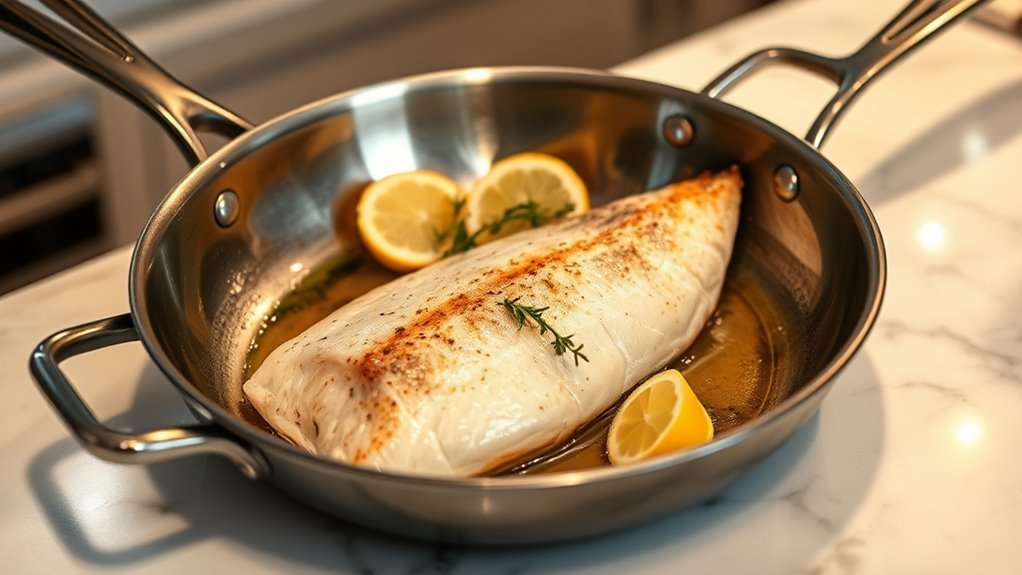
With this careful flip and precise timing, your sablefish will have a perfectly crispy skin and tender interior every time.
Add Flavor Enhancements
Although your sablefish is nearly done, adding flavor enhancements can elevate the dish from good to unforgettable. Start by splashing some white wine or lemon juice into the pan to boost acidity and deepen the flavor.
Next, toss in a tablespoon of capers; their briny notes perfectly complement the fish’s richness. Don’t forget to sprinkle fresh or dried herbs like thyme, basil, or rosemary for herbal complexity and a wonderful aroma.
You can also stir in a teaspoon of Dijon mustard or a pinch of smoked paprika to add subtle heat and smoky undertones. These simple additions will transform your pan-cooked sablefish into a layered, flavorful masterpiece that’s sure to impress.
Serve and Enjoy Your Sablefish
When you finish cooking, serve your sablefish immediately to enjoy its crispy skin and tender flesh at their peak.
Here’s how to make your favorite sablefish shine on the plate:
- Drizzle pan sauce or a squeeze of fresh lemon juice over the fish for an extra flavor boost.
- Pair your sablefish with sides like rice, roasted potatoes, or steamed greens to balance the meal.
- Garnish with chopped herbs, toasted pine nuts, or colorful vegetables to enhance freshness and visual appeal.
- Store any leftovers in an airtight container in the fridge for up to two days and reheat gently to keep the crispy skin intact.
Enjoy your perfectly cooked sablefish with these simple serving tips!
Frequently Asked Questions
How to Cook Black Cod Fillets in a Pan?
You’ll want to pat the black cod dry, season it, then sear skin-side down in a hot, oiled pan.
Cook until crispy, flip, finish with butter and lemon for a delicious, flaky fillet.
What Is the Best Cooking Technique for Cod in a Pan?
You don’t want soggy cod, right? So, sear it skin-side down in hot oil for 4-5 minutes, press it slightly, then flip gently.
You’ll get crispy skin and tender, flaky perfection every time.
Is It Better to Pan Fry Fish in Butter or Oil?
It’s better to pan fry fish using a mix of oil and butter. The oil prevents burning with its high smoke point, while butter adds rich flavor and tenderness, giving you the best of both worlds.
Is Sablefish Good to Fry?
Yes, sablefish is great to fry because its high fat content keeps it moist and tender.
You’ll get a crispy skin and buttery interior, making it forgiving and delicious when cooked in a hot pan.
Conclusion
Now that you know how to pan-cook sablefish perfectly, you’re ready to enjoy its rich, buttery flavor at home. Did you know sablefish is packed with omega-3s—one 3-ounce serving provides about 1,200 mg, supporting heart and brain health?
With just a few simple steps, you can create a restaurant-quality meal that’s both delicious and nutritious. So grab your fillets, follow these tips, and savor every flaky, crispy bite!
By mastering how to cook sablefish in a pan, you bring gourmet flavors to your kitchen while benefiting from this fish’s healthy fats. Enjoy the ease and taste of pan-cooked sablefish anytime!