
How You Can Bake Safely Using Wax Paper in the Oven
When you reach for wax paper in the kitchen, you might wonder if it’s safe to use in the oven. Wax paper is commonly used in baking and food preparation, but its heat resistance differs from parchment paper because it’s coated with a thin layer of wax. Understanding how wax paper behaves under heat and how to use it properly can help you bake safely and avoid accidents.
Wax paper can melt or even catch fire at high temperatures, so it’s important to know the limits of its use. It’s generally safe for tasks like lining countertops or wrapping food, but not for baking in the oven at high heat.
So, what exactly are the temperature limits for wax paper, and when should you avoid using it altogether? Knowing these details will help you make the right choice in the kitchen and keep your baking safe.
Understanding the Composition of Wax Paper

Although wax paper looks similar to parchment paper, it’s coated with a thin layer of food-safe paraffin wax that makes it nonstick and moisture-resistant. This paraffin wax spreads on both sides, penetrating the paper’s pores to create a smooth surface that prevents food from sticking.
You’ll find wax paper handy for cold food prep tasks, like wrapping sandwiches or covering dough during chilling. However, it’s important to know that wax paper isn’t heat resistant.
The paraffin wax melts at around 120°F, so it can’t handle high oven temperatures without melting or smoking. Unlike parchment paper, wax paper lacks the silicone treatment that provides heat resistance.
Understanding this composition helps you choose the right paper for your kitchen needs and avoid using wax paper where heat resistance is required.
Heat Tolerance Levels of Wax Paper
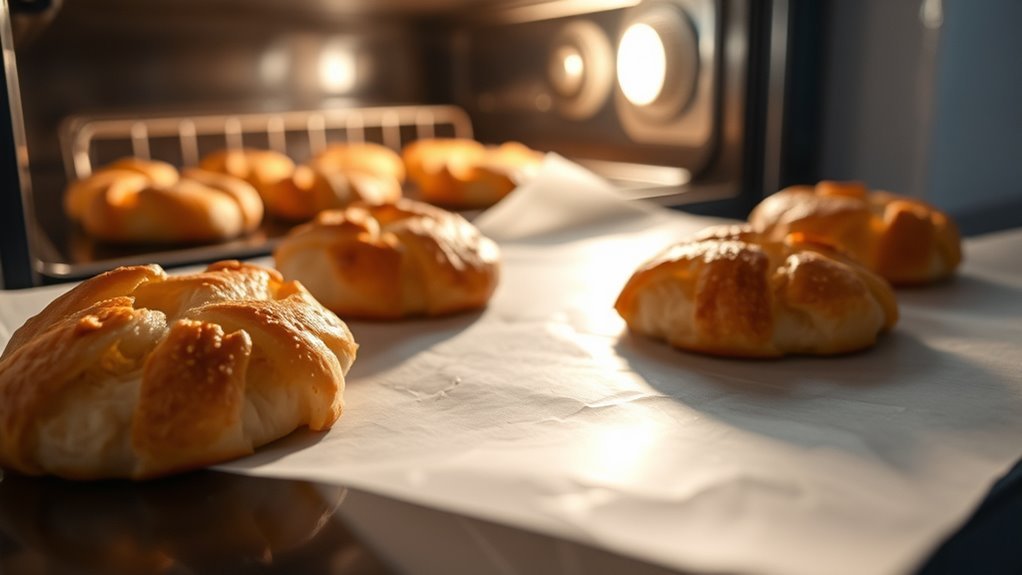
Because wax paper is coated with paraffin wax that melts around 120°F (49°C), you shouldn’t use it in the oven or any high-heat environment.
Wax paper’s heat tolerance is quite low, making it unsuitable for baking or roasting.
When exposed to typical oven temperatures, often well above 300°F, it can melt, smoke, or even catch fire.
For oven safety, it’s essential to recognize that wax paper is designed for cold or room-temperature tasks like wrapping food or lining surfaces during prep.
Even if some suggest using wax paper covered by batter, it’s not recommended for direct heat contact.
To keep your baking safe, always choose materials with higher heat tolerance, like parchment paper, instead of wax paper inside the oven.
Risks of Using Wax Paper in the Oven

If you use wax paper in the oven, you risk it melting, smoking, or even catching fire due to its low heat tolerance. Wax paper melts above 120°F, and high temperatures cause the paraffin wax coating to ignite or release harmful fumes.
Most manufacturers warn against using wax paper for oven safety reasons, as it can damage food or oven parts. Understanding these risks helps you avoid fire hazards and smoke during baking.
| Risk | Cause | Result |
|---|---|---|
| Melting | Heat > 120°F | Wax paper sticks to food |
| Smoking | Paraffin wax ignition | Unpleasant fumes |
| Fire hazard | High temperatures | Oven damage or fire |
Avoid using wax paper in hot ovens to stay safe.
Safe Oven Temperature Limits for Wax Paper
Understanding the risks of using wax paper in the oven helps you recognize the importance of temperature limits when baking. Wax paper’s paraffin coating has a melting point around 120°F, meaning it can start melting or smoking if exposed to higher heat.
Wax paper melts or smokes above 120°F, so be cautious using it in the oven.
While some recommend oven temperatures up to 200°F to 250°F, it’s safest to keep the oven temperature below 120°F to avoid any melting or fire hazards.
At typical baking temperatures above 350°F, wax paper can ignite or produce dangerous smoke, which is a serious safety risk.
If you must use wax paper in the oven, make sure it’s fully covered or insulated, never exposed directly to heat. Always check manufacturer guidelines to avoid exceeding safe oven temperatures for wax paper.
When Is It Acceptable to Use Wax Paper in Baking?
While wax paper isn’t designed for direct oven use, you can safely use it in baking when it stays fully covered by batter or other ingredients, preventing exposure to high heat. This guarantees oven safety and avoids melting or fire hazards.
You should only use wax paper in situations like these:
- Lining pans for no-bake or cold-set recipes
- Wrapping foods completely coated by batter or dough
- Microwave cooking where temperatures stay below 120°F
Always check manufacturer guidelines before oven use. If wax paper touches hot surfaces or open flames, it can melt or catch fire quickly.
Comparing Wax Paper and Parchment Paper for Baking
You might be tempted to use wax paper for baking because of its convenience, but knowing the differences between wax paper and parchment paper can help you avoid accidents and get better results.
Wax paper is coated with paraffin wax, making it suitable only for cold tasks like wrapping or lining.
Wax paper’s paraffin wax coating makes it ideal for cold uses, not for heating or baking.
If you put wax paper in the oven, it can melt or even ignite at temperatures above 120°F.
On the other hand, parchment paper is coated with silicone and can withstand heat up to about 425°F, making it safe and effective for baking. When comparing wax paper and parchment paper, always choose parchment paper for oven use because it provides a stable, non-stick surface that won’t burn or melt, ensuring your baking goes smoothly and safely.
How to Properly Position Wax Paper When Baking
Because wax paper can’t withstand high heat, you need to position it carefully when baking to avoid direct contact with oven elements. Proper positioning of wax paper ensures oven safety and prevents melting or smoking.
Always place the wax paper on a stable, heat-resistant baking sheet or pan to avoid warping or shifting. Make sure the wax paper is fully covered by batter or ingredients, so it never touches the oven’s heat directly.
Keep your oven temperature at or below 350°F and avoid prolonged exposure to heat. After baking, remove the wax paper immediately.
To position wax paper correctly, remember to:
- Lay it flat on a sturdy baking sheet
- Cover it completely with batter or food
- Avoid using near broilers or direct flames
This guarantees safe, effective use of wax paper in your baking.
Microwave Safety: Wax Paper vs. Parchment Paper
How do wax paper and parchment paper compare when used in the microwave? Both wax paper and parchment paper are microwave-safe, but they serve slightly different purposes.
Wax paper is coated with paraffin wax, which can handle microwave heat without melting or catching fire, making it great for covering dishes or preventing splatters during short heating sessions.
However, you should avoid using wax paper with high-moisture foods or for extended heating, as the wax may melt or produce smoke.
Parchment paper, on the other hand, is also microwave-safe and more versatile. It’s perfect for steaming, reheating, or covering dishes without worrying about melting.
When microwaving, choose parchment paper for longer or moist cooking, and stick to wax paper for quick, dry tasks to make certain of safety.
Alternatives to Wax Paper for High-Heat Baking
When baking at high temperatures, wax paper isn’t a safe choice since its coating melts and can catch fire. Instead, you can rely on safer alternatives that handle heat well:
Parchment paper: Oven-safe up to about 425°F, it offers a nonstick, heat-resistant surface ideal for most baking tasks.
Silicone baking mats: These reusable mats resist high heat, provide excellent nonstick performance, and reduce waste.
Aluminum foil: Suitable for high-heat baking, though it’s not naturally nonstick and may slightly alter texture or appearance.
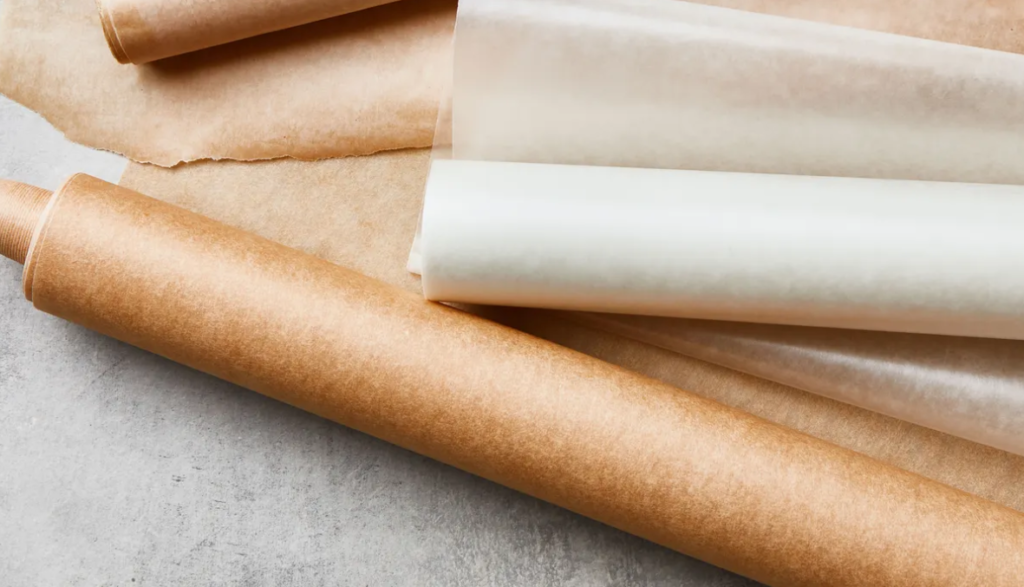
Tips for Choosing the Right Liner for Your Baking Needs
Selecting the right liner for your baking depends on the temperature and type of recipe you’re working with. Always choose baking liners labeled oven-safe, especially if your oven reaches temperatures above 350°F.
Parchment paper is your best bet since it resists heat up to about 425°F, unlike wax paper, which can melt or catch fire if exposed directly to heat.
If you must use wax paper, make sure it’s fully covered by batter or dough and doesn’t extend beyond the pan.
Another great option is silicone baking mats; they’re reusable and safe for high heat.
Whatever liner you pick, follow the manufacturer’s safety guidelines closely to prevent accidents and ensure your baked goods come out perfect every time.
Frequently Asked Questions
Can I Bake With Wax Paper in the Oven?
You shouldn’t bake with wax paper in the oven because it can melt or catch fire. Instead, use parchment paper, which is heat-resistant and safe for baking, ensuring your food cooks properly without safety risks.
Is Wax Paper Oven Safe at 350 Degrees?
No, wax paper isn’t oven safe at 350 degrees. It can melt, smoke, and even catch fire.
Instead, you should use parchment paper, which is designed to handle those high baking temperatures safely.
Does Parchment Paper Release Toxins When Heated?
You won’t turn into a science experiment by using parchment paper. It doesn’t release toxins when heated up to 425°F. Just follow the guidelines, and you’ll bake safely without worrying about harmful chemicals sneaking into your food.
What Temperature Melts Wax Paper?
Wax paper melts at around 120°F to 140°F (49°C to 60°C). If you expose it to higher temperatures, especially above 150°F (66°C), it’ll soften, lose its stick resistance, or even catch fire.
Avoid baking with it.
Conclusion
You might think baking with wax paper is as simple as tossing it in the oven—until your kitchen smells like a campfire gone wrong. Remember, wax paper melts and even ignites above 120°F, so don’t let it flirt with your 350°F oven.
Instead, keep wax paper for cold or microwave use, and save yourself the smoky drama. When heat’s involved, parchment or silicone mats are your oven’s real best friends.
To bake safely using wax paper in the oven, avoid direct exposure to high temperatures. Use parchment paper or silicone baking mats to ensure safe, efficient baking without the risk of melting or fire. This way, you can enjoy your baking without any kitchen mishaps.