Top Picks: Best Non Dairy Milk for Toddlers
In the realm of pediatric nutrition, the search for optimal alternatives to traditional dairy milk often leads caregivers to explore an array of plant-based options. Lactose intolerance, milk allergies, and dietary preferences necessitate a deeper understanding of the best non-dairy milk for toddlers, where bioavailability of nutrients and allergenic potential become crucial factors.
As the market burgeons with choices like almond, soy, oat, and coconut milk, each variant offers its own unique profile of macronutrients and micronutrients essential for developing bodies. However, navigating these options requires more than just knowledge of their nutritional composition; understanding their impacts on growth, digestion, and overall well-being is pivotal. What considerations should guide parents in selecting the most suitable non-dairy milk for their toddlers?
Continue reading to unravel the complexities and nuances of this significant choice.
Top Plant-Based Milk Options for Your Little One
| Image | Product | Price |
|---|---|---|
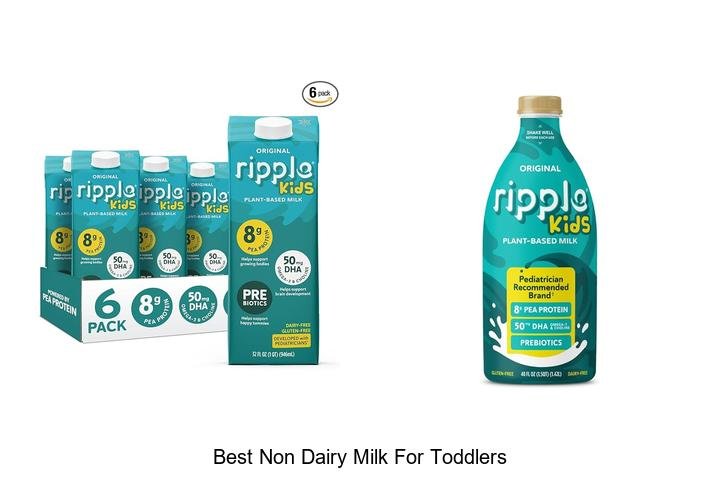
Pick 1  | Ripple 32 oz Plant Based Milk 8g of Quality Sourced | Check Price On Amazon |
Pick 2  | Ripple Kids Non-Dairy Milk, Vegan, Original, 48 Fl Oz | Check Price On Amazon |
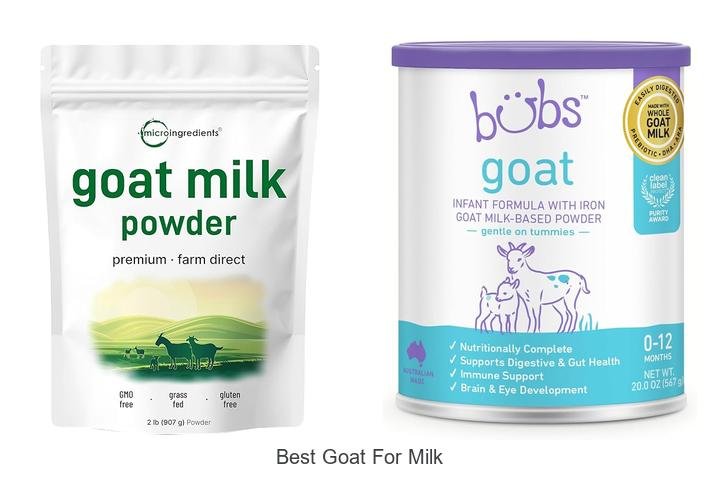
Pick 3  | Bubs Goat Toddler Nutritional Drink, Non-GMO Whole Goat Milk-Based Gentle | Check Price On Amazon |
1. Ripple 32 oz Plant Based Milk 8g of Quality Sourced
Introducing Ripple 32 oz Plant Based Milk — the ultimate choice for those seeking the best non-dairy milk for toddlers. This delicious and nutritious plant-based option combines taste with health benefits, ensuring a wholesome drink that supports both your child’s growth and the planet’s well-being.
Ripple’s plant-based milk boasts 8g of high-quality pea protein per serving and is utterly free from dairy, nuts, soy, gluten, and lactose, offering a worry-free experience for sensitive eaters. With 50% more calcium and 50% less sugar than traditional milk, it’s an eco-friendly and health-conscious choice.
Pros
- Outstanding nutritional profile suitable for growing toddlers.
- Shelf-stable convenience for easy storage and accessibility.
- Certified B Corp commitment to sustainability and quality.
Cons
- Cap design could be improved to prevent spills during use.
In summary, Ripple 32 oz Plant Based Milk sets a new standard in non-dairy options, blending exceptional nutrition with an eco-friendly approach. When compared to almond or soy alternatives, its superior protein content and taste make it a standout choice. Experience the benefits today and enhance your family’s health journey.
Experience the benefits today and enhance your family’s health journey.
2. Ripple Kids Non-Dairy Milk, Vegan, Original, 48 Fl Oz
Ripple Kids Non-Dairy Milk offers a flavorful and nutritious alternative for parents seeking the best non-dairy milk for toddlers. Formulated with care by pediatricians, it provides essential vitamins and proteins tailored for growing children, without compromising on taste.
Enjoy peace of mind knowing it’s crafted to meet high nutritional and ethical standards.
This plant-based milk substitute is made with eco-friendly pea protein, outperforming almond, soy, and oat milk in both nutrition and flavor. Ripple Kids is not only smooth and creamy but also delivers 50% more calcium than traditional cow’s milk, along with prebiotics for better digestion.
Pros
- High calcium content for strong bones.
- DHA and iron support brain development.
- Free from dairy, nuts, soy, and gluten.
Cons
- Might be less suitable for those who prefer traditional milk flavors.
With its superior nutritional profile and dedication to sustainability, Ripple Kids Non-Dairy Milk stands out among alternatives for toddler nutrition. It’s not just a milk substitute, but a leap forward in plant-based nourishment. Opt for Ripple and gift your child a delicious, growth-supporting beverage.
Opt for Ripple and gift your child a delicious, growth-supporting beverage.
3. Bubs Goat Toddler Nutritional Drink, Non-GMO Whole Goat Milk-Based Gentle
Introducing Bubs Goat Toddler Nutritional Drink, a gentle and nourishing choice perfect for toddlers with sensitive tummies. Specifically crafted with non-GMO whole goat milk, this drink ensures a happy and fuss-free feeding experience, delivering a clean, balanced, and nutrient-rich formula trusted by parents for nearly 20 years.
The drink is formulated to be easily digestible, thanks to naturally occurring A2 proteins. Proudly sourced from quality farmers, it contains no GMOs, artificial colors, flavors, or preservatives, making it a top pick for parents aiming for pure nutrition.
Pros
- Gentle on sensitive tummies with A2 protein
- High-quality, non-GMO ingredients
- Simple preparation with great taste and texture
Cons
- Pricier than some alternatives at $30
In conclusion, Bubs Goat Toddler Nutritional Drink stands out in the realm of toddler nutrition, offering a clean, gentle formula that’s both effective and enriching. For those prioritizing quality and peace of mind over price, it’s a worthy investment for your child’s wellbeing.
4. Ripple Kids Unsweetened Plant Based Milk | Pediatrician Recommended |

If you’re in search of the best non-dairy milk for toddlers, look no further than Ripple Kids Unsweetened Plant Based Milk. Pediatrician-recommended and crafted for growing bodies, this milk offers a delicious and nutritious dairy-free alternative, supporting your child’s health and development every sip of the way.
Developed with pediatricians, Ripple’s plant-based milk is non-GMO and 100% free from dairy, nuts, soy, gluten, and lactose. With 8g of protein per serving, it provides substantial nourishment, alongside 50mg of DHA and prebiotics for brain and tummy health. Plus, it’s shelf-stable, making it perfect for families on the go.
Plus, it’s shelf-stable, making it perfect for families on the go.
Pros
- Contains 8g of protein per serving, surpassing almond milk by 8 times.
- Packed with DHA and prebiotics for brain and digestive support.
- Shelf-stable packaging suitable for travel and convenient storage.
Cons
- Some toddlers may require time to adjust to pea protein taste.
Ripple Kids Unsweetened Plant Based Milk stands out as a leading choice among non-dairy milks, offering superior nutritional benefits and convenience over almond, soy, and oat milks. Aiming for the health and happiness of your child, it indeed merits a place in your pantry.
5. Chicka Chicka Boom Boom Strawberry Oat Milk Plus, Plant-Based Toddler

Discover the perfect dairy-free alternative for your little one’s nutritional needs with Chicka Chicka Boom Boom Strawberry Oat Milk Plus. Designed for toddlers and kids with dietary sensitivities, this delicious plant-based milk offers essential nutrients without compromising on taste or health benefits.
Crafted from oat milk and pea protein, this nutrient-rich beverage is fortified with 23 essential vitamins and minerals, including Calcium, Iron, Choline, and Magnesium. It features 8 grams of plant-based protein and is enhanced with a gentle prebiotic for improved digestion and gut health, ensuring your child receives complete nutritional support.
Pros
- Complete nutrition tailored for toddlers with dietary restrictions.
- Enriched with essential vitamins and minerals to support growth and development.
- Delicious, kid-friendly flavor without artificial additives.
Cons
- Limited flavor options compared to some other brands.
With its unique blend of nourishing ingredients, Chicka Chicka Boom Boom Strawberry Oat Milk Plus stands out as the best non-dairy milk for toddlers, ensuring both health and happiness in every sip. Ideal for those seeking a wholesome, tasty beverage that supports growing bodies and minds.
6. Ripple Kids Chocolate Plant Based Milk | Pediatrician Reccommended |

Discover the ultimate solution in toddler nutrition with Ripple Kids Chocolate Plant Based Milk, expertly formulated with pediatricians’ guidance. Designed as the best non-dairy milk for toddlers, this delicious chocolate-flavored drink provides essential nutrients while being gentle on sensitive tummies, making it a parent’s trusted choice for healthy growth and development.
Ripple Kids Chocolate Milk stands out with its power-packed pea protein, providing 8g of protein per serving for active little ones. Free from common allergens like dairy, nuts, and soy, it’s enhanced with DHA and prebiotics, supporting brain health and digestion. Its shelf-stable packaging ensures convenience and longevity.
Pros
- Provides 8g of protein per serving, significantly more than almond milk.
- Infused with 50mg of DHA and prebiotics to promote brain and gut health.
- Shelf-stable packaging for easy storage and transportability.
Cons
- Priced at $30, which might be considered higher than some traditional milk options.
Packed with essential nutrients and free from common allergens, Ripple Kids Chocolate Plant Based Milk offers a nutritious and tasty alternative to ordinary dairy, securing its place as the best non-dairy milk for toddlers. Ideal for parents prioritizing health and convenience, it’s a wise investment in your child’s well-being.
7. Ripple Kids Original Plant Based Milk | Pediatrician Recommended |

Discover Ripple Kids Original Plant Based Milk, the ideal solution for parents seeking the best non-dairy milk for toddlers. Developed with pediatrician guidance, this nutritious and delicious milk alternative is crafted to support your child’s growing needs. It’s more than just milk; it’s a step towards a healthier future.
It’s more than just milk; it’s a step towards a healthier future.
Ripple Kids Plant Based Milk is not just any milk. With 8g of protein per serving, it’s packed with nutrients like DHA and choline for brain development, and prebiotics for digestive health.
Pros
- High protein content supports growing bodies.
- Contains DHA and choline for brain development.
- Eco-friendly and shelf stable for convenience.
Cons
- Priced higher than some traditional milk alternatives.
Ripple Kids Original Plant Based Milk offers a comprehensive, nutritious, and environmentally friendly option for parents mindful of their child’s dietary needs. Compared to standard non-dairy options, its higher protein content and added brain-supporting nutrients make it an exceptional choice for those investing in their child’s health.
At just $30, the benefits far outweigh the cost, giving peace of mind and a healthy alternative for growing kids.
8. Ripple Non-Dairy Milk, Chocolate| Vegan Milk With 8g Pea Protein

Ripple Non-Dairy Milk, Chocolate flavor, offers a delicious and nutritious alternative for toddlers needing a vegan milk option. Packed with 8g of pea protein per serving and providing 50% more calcium than regular milk, it caters to health-conscious parents seeking the best non-dairy milk for toddlers.
This plant-based milk is not just dairy-free but also nut-free, soy-free, gluten-free, and lactose-free, ensuring broad dietary compatibility. Enriched with essential vitamins, iron, and vitamin D, Ripple milk makes a perfect addition to your child’s diet.
Pros
- High nutritional value with 8g of protein per serving
- Eco-friendly and sustainable pea-based formulation
- Shelf-stable packaging for on-the-go convenience
Cons
- Priced at $28, may be higher compared to regular milk options.
In a market crowded with plant-based milk options, Ripple Non-Dairy Milk stands out as a sustainable, nutrient-rich choice for toddlers. Its unique combination of taste, health benefits, and convenience reinforces its value as an excellent alternative to traditional dairy milk.
9. Ripple Original Plant Based Milk | 8g of Quality Sourced

Discover the best non-dairy milk for toddlers with Ripple Original Plant Based Milk. Offering a nutritious and eco-friendly alternative, this milk is packed with benefits like high protein content and essential vitamins, ensuring a delicious and healthy choice for your little one.
Ripple Original Plant Based Milk provides 8g of quality protein per serving, surpassing traditional milk with 50% more calcium and half the sugar. Shelf-stable and ready to drink, it’s perfect for on-the-go families seeking a worry-free, nutritious beverage without refrigeration.
Pros
- High nutritional value with essential vitamins and minerals.
- Shelf-stable packaging for convenience and portability.
- Free from common allergens like dairy, nuts, and soy.
Cons
- The price may be higher compared to some traditional milk options.
Ripple Original Plant Based Milk stands out as a superior choice for non-dairy options, blending taste and sustainable nutrition. Its innovative pea protein content and allergen-free formula make it a top pick, ensuring peace of mind for you and your toddler.
10. Chicka Chicka Boom Boom Chocolate Oat Milk Plus, Plant-Based Toddler
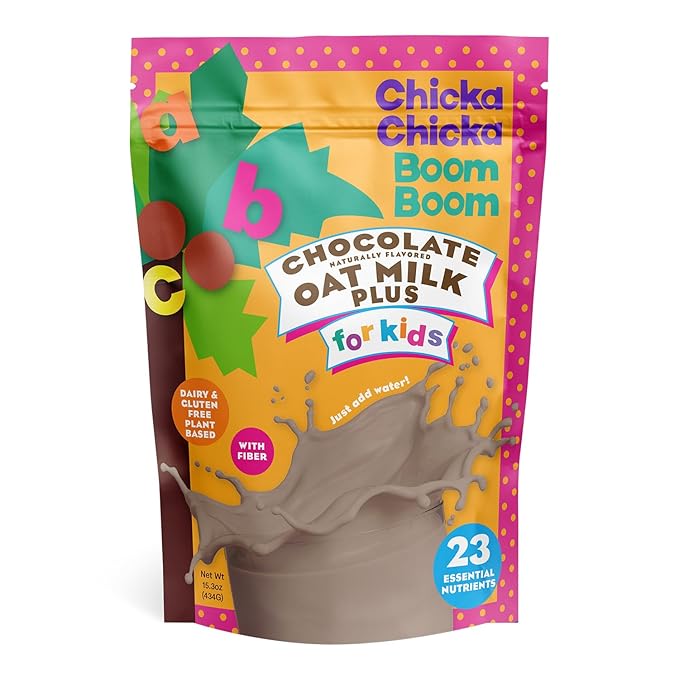
Introducing Chicka Chicka Boom Boom Chocolate Oat Milk Plus — the ideal plant-based, dairy-free choice for your toddler. Tailored for young ones with dietary sensitivities, its delicious and wholesome formula ensures that even picky eaters get the essential nutrients they need to thrive.
This innovative non-dairy drink mix combines oat milk and pea protein for complete nutrition. Packed with 23 essential vitamins and minerals like Calcium, Iron, and Magnesium, it supports your child’s energy and development.
Its gentle prebiotics aid gut health, ensuring happier tummies for active, growing children.
Pros
- Richly nutritious with 23 essential vitamins and minerals.
- Contains 8 grams of high-quality plant-based protein.
- Delicious, kid-friendly taste with no artificial additives.
Cons
- Priced at $24, it may be more expensive than regular dairy options.
Chicka Chicka Boom Boom Chocolate Oat Milk Plus is more than just a milk alternative; it’s a nutritious, tasty way to support your toddler’s health and happiness. With advantages like digestive aid and complete nutrition, it stands out among non-dairy options, making it a worthy addition to your child’s diet.
Choosing the Creamiest Start: A Guide to the Best Non-Dairy Milk for Toddlers
Price and availability
Choosing the right non-dairy milk for toddlers can be a bit overwhelming with the variety of options available on the market. It’s essential to compare costs among brands to find a milk substitute that fits your budget while also meeting your toddler’s nutritional needs.
If you’re looking to save money in the long run, consider exploring bulk purchasing options, which are often available online and can be a convenient choice for regularly consumed products. Additionally, checking local stores can be advantageous as many offer competitive prices and even special deals, making your chosen non-dairy milk more accessible.
Whether buying online or in-store, understanding these factors can help you find a suitable milk alternative that is both economically feasible and nutritionally appropriate for your toddler.
Allergies and sensitivities
When selecting a nondairy milk option for young children, it’s important to keep certain factors in mind to ensure the choice is both healthy and suitable for their needs. Many nondairy milks offer a great alternative for those who are lactose intolerant or have specific allergies, typically skipping common allergens like cow’s milk protein.
When shopping, consider options that are explicitly labeled as gluten-free if gluten sensitivity or celiac disease is a concern, ensuring that the product is safe for your child to consume. Checking labels for any additional fortifications such as calcium and vitamin D can also guide you towards the most nutritious choices, supporting your toddler’s growth and development.
Exploring various milk alternatives such as oat or hemp milk may also offer diversity in flavor and texture, providing your child with a pleasant drinking experience while meeting their dietary requirements.
Ingredients and additives
When selecting a milk alternative that suits the needs of toddlers, it’s crucial to examine the ingredients and additives carefully. Parents should look for options with minimal presence of added sugars or sweeteners to ensure that their child’s diet remains health-conscious. Many non-dairy beverages are available with no artificial flavors or preservatives, making them a more natural choice.
It’s wise to consider options labeled as organic or non-GMO, as these tend to be free from genetically modified organisms and often adhere to higher standards of purity and environmental friendliness. These characteristics not only contribute to a child’s well-being but also align with many parents’ desire to provide sustainable and healthy nutrition.
Ensuring the chosen product meets these criteria can make a significant difference in providing suitable, nutritious alternatives for growing toddlers.
Nutritional content
When choosing an alternative milk option specifically tailored for young children, it’s important to consider a few key factors to ensure they receive proper nourishment. Non-dairy milks made from sources such as almonds, oats, or soy often come fortified with essential vitamins and minerals, providing crucial nutrients that may not be inherently present in plant-based milks.
Checking the labels for added fortification, especially of vitamins like B12 and D, can help in meeting the dietary needs of growing toddlers. It’s also essential to evaluate the protein and calcium levels, as these contribute to bone health and development. Soy milk typically offers a protein content comparable to cow’s milk, which can be beneficial for toddlers who need higher protein intake.
Additionally, consider taste preferences and potential allergies when selecting, as these can impact the child’s acceptance and enjoyment of the milk. Always consult with a pediatrician to ensure the chosen non-dairy milk supports your toddler’s nutritional requirements effectively.
Taste and texture
When selecting non-dairy milk for toddlers, several factors should be taken into consideration to ensure it meets both nutritional needs and taste preferences. Many non-dairy alternatives provide distinct flavor variations, from the subtle sweetness of almond milk to the richer, nutty tones of cashew milk. These options can appeal to a toddler’s developing palate, making it enjoyable to drink and mix with foods.
These options can appeal to a toddler’s developing palate, making it enjoyable to drink and mix with foods. The smoothness and creaminess of the milk also play a crucial role in enjoyment and utility, as some toddlers might prefer a thicker consistency. Options like oat milk offer a robust texture that can be soothing and satisfying for young tummies.
It’s essential to find a non-dairy milk that pairs well with the foods toddlers regularly consume, such as cereals, smoothies, or baked goods, ensuring a seamless dietary transition. Parents should also prioritize fortified non-dairy milks that contain essential nutrients such as calcium, vitamin D, and B12, as these are vital for healthy growth and development.
Taking into account a toddler’s specific allergies or sensitivities, consulting with a pediatrician can also provide guidance in choosing the optimal non-dairy milk.
FAQ’s
How Can I Incorporate Non-Dairy Milk Into My Toddler’S Diet In A Balanced And Nutritious Way?
You can incorporate non-dairy milk into your toddler’s diet by choosing fortified options that provide essential nutrients like calcium, vitamin D, and vitamin B12, and using it in smoothies, oatmeal, or as a base for creamy soups. Ensure you balance it with other protein sources like beans, lentils, and grains to maintain a well-rounded diet.
How Can I Ensure My Toddler Receives Enough Calcium And Vitamin D If They Are Drinking Non-Dairy Milk?
To ensure your toddler receives enough calcium and vitamin D while drinking non-dairy milk, choose fortified options specifically labeled as enriched with these nutrients. Additionally, incorporate calcium-rich foods like leafy greens, tofu, and fortified cereals into their diet, and ensure they get adequate sun exposure or consider a vitamin D supplement if necessary.
Are There Any Non-Dairy Milk Options That Should Be Avoided For Toddlers Due To Potential Allergens Or Antinutrients?
Yes, almond and soy milk are common non-dairy options that should be approached with caution for toddlers due to potential allergens, as tree nuts and soy can be common allergens. Additionally, certain plant-based milks like rice milk may contain high levels of arsenic and low nutritional value, making them less suitable for young children.
What Are The Nutritional Benefits Of Non-Dairy Milk Alternatives For Toddlers Compared To Cow’S Milk?
Non-dairy milk alternatives, such as fortified almond, soy, or oat milk, can provide essential nutrients like calcium, vitamin D, and vitamin B12, similar to cow’s milk, while often being lower in saturated fat and free from lactose. However, they may lack protein compared to cow’s milk, so it’s important to choose varieties that are appropriately fortified and consult with a healthcare provider for a balanced diet for toddlers.
Which Types Of Non-Dairy Milk Are Considered The Most Suitable For Toddlers’ Growth And Development?
For toddlers, fortified soy milk is often considered the most suitable non-dairy milk because it provides a comparable protein content to cow’s milk and is typically fortified with essential nutrients like calcium and vitamin D. Oat milk is another option, but it generally has lower protein levels, so it’s important to ensure the rest of the toddler’s diet balances those needs.
Conclusion
Summary: While choosing the best non-dairy milk for toddlers, it’s essential to consider nutritional content, such as calcium, vitamin D, and protein. Options like fortified almond milk, oat milk, and soy milk offer various benefits.
Always consult with a pediatrician to ensure the chosen milk meets dietary needs.