Discover the Best Milk for SIBO Relief Now!
Small Intestinal Bacterial Overgrowth (SIBO) is a complex gastrointestinal disorder characterized by an excessive growth of bacteria in the small intestine. This condition can lead to a range of symptoms, including bloating, abdominal pain, and malabsorption of nutrients.
Milk, as a dietary staple, often poses challenges due to its lactose content and varying levels of fermentation potential. The quest to identify a milk option that supports gut health without exacerbating symptoms is pivotal.
In this article, we delve into the intricacies of dairy alternatives, providing insights into choosing the best milk for SIBO while considering digestive harmony.
Discover the Optimal Dairy Choices for SIBO Relief
| Image | Product | Price |
|---|---|---|
Pick 1 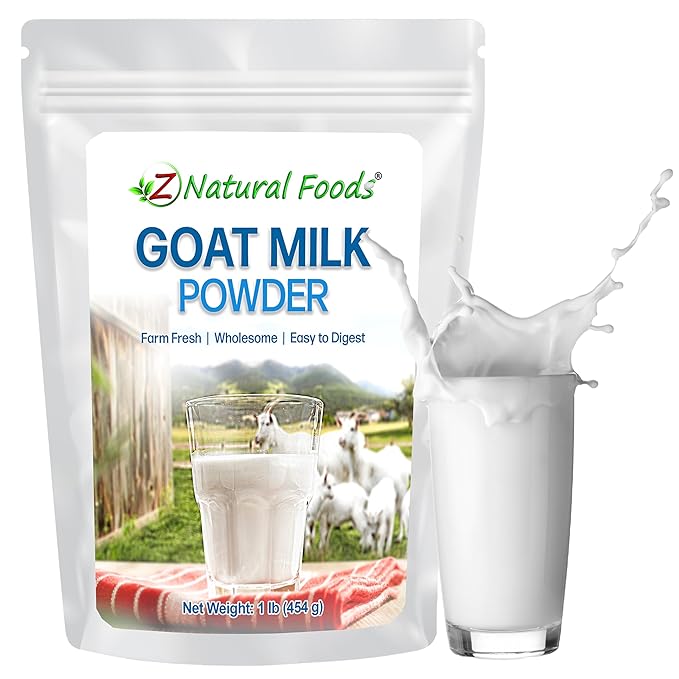 | Z Natural Foods Goat Milk Powder – Pure Netherlands Full | Check Price On Amazon |
Pick 2  | Milkman Low-Fat Milk – Instant Dry Milk Powder Packets – | Check Price On Amazon |
Pick 3  | WishGarden Herbs Milk Rich with Goats Rue and Fenugreek – | Check Price On Amazon |
1. Z Natural Foods Goat Milk Powder – Pure Netherlands Full
Discover the wholesome alternative to regular cow’s milk with Z Natural Foods Goat Milk Powder – a premium, nutrient-rich choice that’s both convenient and versatile. Perfect for individuals with lactose sensitivities, this product offers rich creamy texture and nutrition, bringing delightful flavor from the Netherlands right to your pantry.
Crafted for quality, Z Natural Foods Goat Milk Powder delivers a full cream taste derived from pure goat’s milk with no additives or artificial flavors. Packed with essential nutrients including calcium and protein, it supports bone health while promoting overall wellness in a form that’s easier to digest than traditional dairy.
Pros
- Nutrient-Packed: Provides 8 grams of protein per serving, ideal for health-conscious consumers.
- Easy to Digest: Lower lactose content makes it suitable for those with lactose intolerance.
- Versatile Use: Perfect for smoothies, cooking, and baking, enhancing any recipe with creaminess.
Cons
- Distinct Flavor: Some may find the natural goat milk taste strong if used at full serving size.
For those searching for the best milk for SIBO or simply wishing to explore dairy alternatives, Z Natural Foods Goat Milk Powder stands out with its nutritional benefits and convenient form. With milk prices ever on the rise, this product offers a cost-effective long-term solution without compromising on health.
2. Milkman Low-Fat Milk – Instant Dry Milk Powder Packets –
Discover the delightful experience of enjoying fresh-like milk anywhere, anytime with Milkman Low-Fat Milk – Instant Dry Milk Powder Packets. Perfect for your daily needs or adventurous outings, it offers the taste you love with the convenience you crave, making it a must-have in every pantry.
Milkman Low-Fat Milk combines real cream and essential vitamins to deliver a delicious taste. It mixes easily without clumping, ready for any recipe, beverage, or adventure.
With a 2-year shelf life, it stays fresh longer, ensuring you always have quality milk at your fingertips.
Pros
- Offers a creamy, fresh milk taste with ease of preparation.
- Convenient packet size ensures no waste, perfect for small households or trips.
- 2-year shelf life offers peace of mind with long-term freshness.
Cons
- Limited to low-fat and chocolate varieties, may not suit all preferences.
Milkman Low-Fat Milk stands out with its real milk taste and long-lasting freshness. Ideal for those with limited fridge space or looking to reduce spoilage, it beats traditional powders. Enhance your daily nutrition with convenience and quality, all from a simple packet.
Enhance your daily nutrition with convenience and quality, all from a simple packet.
3. WishGarden Herbs Milk Rich with Goats Rue and Fenugreek –
Discover the natural way to enhance your breast milk supply with WishGarden Herbs Milk Rich, featuring a powerful blend of Goat’s Rue and Fenugreek. This herbal supplement is specifically designed for nursing moms seeking to boost both the quality and quantity of their milk naturally and effectively.
Crafted from premium, organic, and wild-harvested ingredients, this lactation aid combines well-known lactogenic herbs like Fenugreek and Blessed Thistle in a liquid tincture format for optimal absorption. Perfect for nursing, pumping, and breastfeeding moms dedicated to both their health and their baby’s nutritional needs.
Pros
- Enhances breast milk supply naturally with nutrient-rich herbs.
- Liquid tincture for fast absorption and customizable dosing.
- Contains only non-GMO, gluten-free, vegan ingredients.
Cons
- Some users may find the taste unpleasant.
For mothers seeking to improve their milk supply, WishGarden Herbs Milk Rich provides a potent herbal solution. Compared to typical capsules or tablets, its liquid form ensures rapid absorption for noticeable results. Invest in a brand trusted by lactation experts since 1979 to support your breastfeeding journey naturally and sustainably.
4. Kiki Milk Plant Based Milk – The Starter Kit –

Discover the ultimate choice for those seeking the best milk for SIBO with Kiki Milk Plant-Based Milk – The Starter Kit. This deliciously wholesome beverage offers a perfect blend of taste and nutrition, ideal for anyone looking to enhance their dietary regimen with health-focused, plant-based ingredients.
Kiki Milk redefines plant-based beverages by combining a rich blend of organic, glyphosate-free ingredients. Each sip is loaded with essential nutrients tailored to support digestive health and overall wellness, making it a standout choice in the crowded alternative milk market.
Pros
- Loaded with essential nutrients for digestive health.
- Free from glyphosate and other harmful chemicals.
- Exceptional taste that satisfies both adults and children.
Cons
- Priced at $25, which may be high for some consumers.
At $25, Kiki Milk may come at a premium, but its commitment to quality, comfort, and taste offers substantial value for those seeking the best milk for SIBO. Compare it with common cow’s milk alternatives, and you’ll find Kiki Milk stands out in both nutrient profile and pure enjoyment.
5. Motherlove More Milk Plus (180 Liquid caps) Fenugreek-Based Lactation Supplement

Seeking a natural way to enhance your breast milk supply? Motherlove More Milk Plus offers a potent blend of organic herbs designed to support lactating mothers. Perfect for those navigating the challenges of early motherhood, this supplement is a vegan, taste-free solution to nurture your little one with more milk.
Perfect for those navigating the challenges of early motherhood, this supplement is a vegan, taste-free solution to nurture your little one with more milk.
Motherlove More Milk Plus combines the power of Fenugreek, blessed thistle, nettle, and fennel into a convenient liquid capsule. Its innovative formula supports your body’s natural milk production without the need for time-consuming tinctures, making it ideal for busy moms. Made in the USA, it’s non-GMO and environmentally conscious.
Pros
- Contains organic, Non-GMO ingredients.
- Vegan and Kosher certified.
- Easy-to-take taste-free liquid capsules.
Cons
- Requires multiple doses throughout the day for effectiveness.
Motherlove More Milk Plus shines as a reliable, health-conscious option for boosting breast milk supply. When compared to other products like lactation teas and oatmeal, this supplement’s unique capsule form provides an effortless yet effective approach to supporting new mothers. Discover its transformative potential for your breastfeeding journey today.
Discover its transformative potential for your breastfeeding journey today.
Discover the Ultimate Milk Choices for SIBO Relief
Ingredients to avoid
When considering the best milk options while managing small intestinal bacterial overgrowth (SIBO), it’s essential to focus on choosing products with ingredients that minimize gastrointestinal discomfort. High FODMAP ingredients, for instance, can exacerbate symptoms, so opting for low-FODMAP milk alternatives like almond or lactose-free milk might be beneficial. Additionally, ensuring that the milk you select does not contain added sugars or sweeteners is crucial, as these can contribute to further digestive issues.
Additionally, ensuring that the milk you select does not contain added sugars or sweeteners is crucial, as these can contribute to further digestive issues. Artificial additives, often found in processed milk products, might also aggravate symptoms, so opting for more natural milk options with minimal processing is advised. By focusing on these considerations, you can choose a milk option that aligns better with your digestive health needs, fostering a more comfortable dietary experience.
Brand reputation and reviews
When choosing the best milk for SIBO (Small Intestinal Bacterial Overgrowth), it’s important to consider various factors to ensure you make an informed decision. A key aspect of your decision should be whether the brand offers transparency about its sourcing and processing methods.
Consistency in product quality is another essential factor, as you want to ensure that every batch of milk meets the standards you expect, offering the same benefits and taste with each purchase. Customer feedback can be invaluable in this regard, as it provides real-world insights into the experiences of others with the milk, helping you gauge its effectiveness and quality.
Taking the time to understand these elements will help you find a product that aligns with your dietary needs while offering peace of mind through its consistent quality and reliable sourcing practices.
Price and value
For those seeking a gut-friendly option, choosing the best milk for SIBO requires some consideration to ensure both health benefits and value. It’s crucial to weigh the cost per serving, as this can vary significantly across different options and brands. Some milk alternatives, such as lactose-free or A2 milk, might cost more upfront, but they offer digestive benefits that could make them more valuable in the long run compared to conventional milk.
Comparing them with similar products is essential to ensure you find the right balance between quality and cost. Additionally, consider the packaging and size options available; larger sizes often provide better value, but they must fit your storage capabilities and consumption habits.
Look for brands that offer a variety of sizes and packaging types so you can choose what best suits your needs and lifestyle. Ultimately, the right choice will align with both your dietary requirements and budgetary constraints while contributing to a comfortable and manageable diet.
Nutritional content
When searching for a suitable milk option for those managing SIBO, it’s important to consider several key nutritional factors to ensure you’re making a beneficial choice. Protein content can be an essential element depending on your dietary needs, as it supports muscle maintenance and growth. While some prefer higher protein levels, others with SIBO might need to moderate their intake.
While some prefer higher protein levels, others with SIBO might need to moderate their intake. Beyond protein, calcium levels are crucial since they play a significant role in bone health; milk that offers a rich source of calcium can help maintain strong bones and teeth, particularly for those with limited dietary options. Additionally, the presence of Vitamin D in milk should not be underestimated since it enhances calcium absorption in your body and supports immune function.
When exploring milk options, consider those that naturally contain or are fortified with Vitamin D to maximize these health benefits. Selecting milk that aligns with your nutritional goals can significantly contribute to managing SIBO symptoms while promoting overall wellness.
Types of milk suitable for sibo
For those navigating dietary challenges related to SIBO, finding the right milk can make a significant difference in comfort and nutrition. When choosing an appropriate milk variety, consider options like lactose-free milk, which is specifically processed to remove lactose while retaining the familiar taste of regular milk, making it a good choice for those who are lactose intolerant. Almond milk is another beneficial option owing to its plant-based origin, naturally devoid of lactose, and with a subtle nutty flavor that complements various recipes.
Almond milk is another beneficial option owing to its plant-based origin, naturally devoid of lactose, and with a subtle nutty flavor that complements various recipes. Coconut milk, rich in medium-chain triglycerides (MCTs), provides a creamy texture and unique taste, which can be especially appealing in cooking and baking. For those who prefer dairy but experience discomfort with regular milk, A2 milk might be the answer, as it lacks the A1 protein variant that can exacerbate digestive issues.
When shopping for milk suitable for SIBO, always check labels for added sugars and fillers that might affect digestion. Testing small quantities first can also help ensure that the chosen milk doesn’t trigger symptoms.
FAQ’s
Are Plant-Based Milk Alternatives, Like Almond Or Oat Milk, Suitable For Managing Symptoms Of Sibo?
Plant-based milk alternatives like almond or oat milk can be suitable for managing SIBO symptoms, as they are generally low in fermentable carbohydrates that can exacerbate the condition. However, individual tolerance can vary, so it’s important to monitor symptoms and consult with a healthcare professional.
How Does Lactose-Free Milk Affect Those With Sibo Compared To Regular Cow’S Milk?
Lactose-free milk can be easier to digest for individuals with Small Intestinal Bacterial Overgrowth (SIBO), as it lacks lactose, which can exacerbate symptoms like bloating and gas. Regular cow’s milk may worsen symptoms because lactose can promote bacterial fermentation in the small intestine.
What Types Of Milk Are Considered Safe For Individuals With Sibo (Small Intestinal Bacterial Overgrowth)?
Individuals with SIBO often find that lactose-free milk or non-dairy alternatives like almond, coconut, or rice milk are better tolerated, as they are less likely to exacerbate symptoms. It’s important for individuals with SIBO to monitor their own reactions, as tolerances can vary.
How Can Someone With Sibo Determine The Best Milk Option For Their Specific Dietary Needs And Symptoms?
Someone with SIBO can determine the best milk option by consulting with a healthcare provider or registered dietitian to assess individual tolerance levels and consider trying lactose-free, nut-based, or other low-FODMAP milk alternatives. Additionally, it may be helpful to keep a food diary to track symptoms and identify any adverse reactions to specific types of milk.
What Role Does A2 Milk Play In The Diet Of Someone With Sibo, And Is It A Better Option Than A1 Milk?
A2 milk may be better tolerated by individuals with SIBO (Small Intestinal Bacterial Overgrowth), as it contains a different type of beta-casein protein that some find easier to digest compared to A1 milk. While it might reduce symptoms such as bloating and discomfort, its effectiveness varies among individuals, so personal tolerance should guide its inclusion in the diet.
Conclusion
In conclusion, for those managing SIBO (Small Intestinal Bacterial Overgrowth), lactose-free and A2 milk are often considered suitable choices due to their easier digestibility. Almond and coconut milk also offer dairy-free alternatives rich in nutrients and low in fermentable sugars, making them potentially beneficial options.
Always consult with a healthcare professional to tailor dietary choices to your specific needs.