
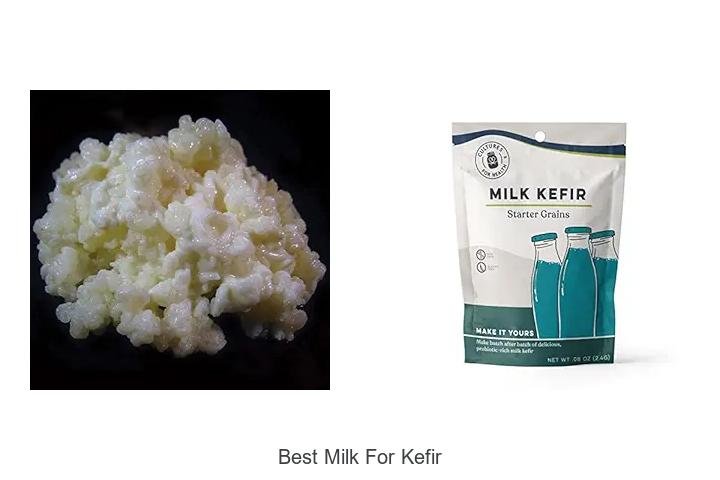
Discover the Best Milk for Kefir – Amazing Results!
In the world of fermentation, kefir stands out as a probiotic-rich powerhouse, revered for its diverse microbial profile and health benefits. The success of kefir fermentation hinges on choosing the best milk, as the medium’s composition directly impacts the activity of kefir grains—those living symbiotic colonies of bacteria and yeast responsible for transforming milk into this tangy elixir.
To determine the best milk for kefir, factors such as fat content, lactose levels, and pasteurization methods must be scrutinized, each influencing the texture, taste, and nutritional value of the final product. Which milk lays the ideal foundation for this ancient drink, ensuring thriving cultures and unparalleled flavor? Join us as we delve deep into the science and secrets behind selecting the optimal milk for kefir.
Exploring Top Ingredients for Cultivating the Perfect Kefir Starter
| Image | Product | Price |
|---|---|---|
Pick 1  | 1 TBSP Milk Kefir Grains and eBook “Milk Kefir Unleashed | Check Price On Amazon |
Pick 2  | Cultures for Health Milk Kefir Grains | DIY Frothy Dairy | Check Price On Amazon |
Pick 3 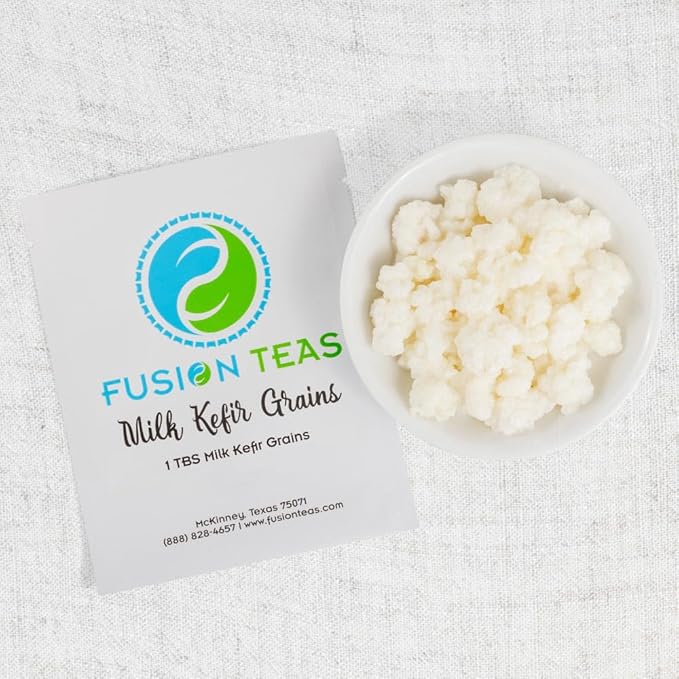 | 2 TBSP Milk Kefir Grains and ebook “Milk Kefir Unleashed | Check Price On Amazon |
1. 1 TBSP Milk Kefir Grains and eBook “Milk Kefir Unleashed
Discover the secret to crafting the best milk for kefir with our 1 TBSP Milk Kefir Grains and eBook Milk Kefir Unleashed. Perfect for both beginners and seasoned fermenters, this kit transforms your home into a probiotic powerhouse, ensuring each sip is packed with healthy, delicious benefits.
Hand-raised for maximum potency, our kefir grains promise freshness and vitality. The accompanying 51-page eBook, enriched with visual and video aids, guides you through every step of fermenting, ensuring success.
Reusable and economical, these grains elevate your homemade kefir experience beyond store-bought options.
Pros
- Fresh and live kefir grains for potent probiotics
- Comprehensive eBook and unlimited email support
- Cost-effective with the ability to refill kefir indefinitely
Cons
- Requires a specific setup (e.g., a fine mesh strainer) to manage grains effectively
For just $15, embark on a healthy journey with our kefir grains—a superior alternative to pre-made kefir beverages. Compared to other kits lacking complimentary resources or support, our offering shines with its detailed guidance and cultivated quality to quench your kefir cravings with confidence.
2. Cultures for Health Milk Kefir Grains | DIY Frothy Dairy
Unlock the secret to creating delicious and nutritious kefir with Cultures for Health Milk Kefir Grains. Ideal for beginners and seasoned fermenters alike, these heirloom-style grains can be used indefinitely, ensuring you enjoy an endless supply of rich, probiotic-dense kefir right at home.
The Cultures for Health Milk Kefir Grains are not only easy to use but also incredibly versatile. Simply let them culture in your choice of milk for 12-24 hours to produce kefir that is richer in probiotics than yogurt, packed with vitamins, and can be incorporated into a variety of recipes.
Pros
- Endless kefir supply from one purchase
- Contains 3x more probiotics than yogurt
- Versatile usage: plain consumption, smoothies, or ingredient in recipes
Cons
- Limited initial grains; may require patience for desired consistency
At $28, Cultures for Health Milk Kefir Grains provide excellent value for anyone serious about home fermentation. Unlike store-bought kefir, these grains let you craft authentic, living kefir that enhances wellness naturally.
3. 2 TBSP Milk Kefir Grains and ebook “Milk Kefir Unleashed
Unlock the full potential of your gut health with the 2 TBSP Milk Kefir Grains and eBook Milk Kefir Unleashed. Perfect for beginner and experienced fermenters alike, these fresh kefir grains offer the ideal solution for creating the most flavorful and probiotic-rich kefir from the comfort of your home.
Our milk kefir grains are alive and thriving, ready to produce endless batches of kefir. With the included 52-page eBook and unlimited support, you’ll have all the resources needed to ferment with confidence.
This cost-effective, probiotic-rich drink is exponentially cheaper and fresher than store-bought alternatives.
Pros
- Organic and continuously growing kefir grains for endless milk kefir production.
- Comprehensive tutorials and 52-page eBook guide your journey step-by-step.
- High levels of beneficial bacteria provide excellent probiotic support.
Cons
- Requires initial patience for kefir grains to adjust and reach optimal production.
Elevate your homemade kefir experience with the freshest kefir grains available, ensuring a nutritious and cost-effective addition to your diet. Unlike freeze-dried kefir packs, these grains offer superior taste and probiotic benefits. Enjoy the convenience of home fermentation and superior health benefits at an unbeatable price of just $
Enjoy the convenience of home fermentation and superior health benefits at an unbeatable price of just $
4. Lifeway Low Fat Kefir – 10g Protein, 12 Live Active

Discover Lifeway Low Fat Kefir, a deliciously creamy and tangy probiotic-rich drink designed to support gut health and boost your daily nutrition with ease. Packed with essential nutrients, this beverage offers the perfect solution for health enthusiasts seeking flavor without compromising on quality.
Jam-packed with 10g of protein and 12 live active probiotic cultures per serving, each glass of Lifeway Kefir delivers up to 99% lactose-free nutrition. Enjoy a gluten-free drink made with natural, non-GMO ingredients, high in calcium and Vitamin D to support overall health.
Pros
- Contains 25-30 billion CFU of probiotics per cup.
- Excellent source of protein, calcium, and Vitamin D.
- Made with natural, non-GMO ingredients and gluten-free.
Cons
- May not be suitable for individuals with severe lactose intolerance.
Embrace the health benefits of Lifeway Low Fat Kefir, ideal for those seeking an effective and delicious way to enhance their diet. Compared to sugary competitors, this kefir offers a sweet and refreshing taste that is both satisfying and nourishing for ultimate wellness.
5. Lifeway Low Fat Kefir – Unsweetened, 10g Protein, 12 Live

Discover the delightful world of Lifeway Low Fat Kefir, your gut-friendly companion that combines flavor with health benefits. Packed with probiotics and protein, this drink is perfect for those seeking a nutritious boost without compromise. Embrace a healthier gut with each refreshing sip and experience an improved wellness journey.
Embrace a healthier gut with each refreshing sip and experience an improved wellness journey.
Lifeway Low Fat Kefir stands out with its 12 live and active probiotic cultures, offering 25-30 billion CFU per cup for superior gut health support. With 10g of protein per serving, this gluten-free kefir is rich in calcium and vitamin D, crafted from natural, non-GMO ingredients, and is up to 99% lactose-free.
Pros
- Rich in Probiotics: Contains 12 live and active cultures for optimal gut health.
- High Protein Content: Provides 10g of protein per serving, aiding muscle maintenance.
- Lactose-Friendly: Up to 99% lactose-free, suitable for those with dairy sensitivities.
Cons
- Watery Consistency: Initial watery texture may require adjustment for some users.
In conclusion, Lifeway Low Fat Kefir is a standout choice among dairy products for kefir enthusiasts. Its rich probiotic profile, coupled with high protein and minimal lactose content, make it a versatile and beneficial addition to your diet. Experience a nourishing lifestyle change by integrating this kefir into your daily routine.
Experience a nourishing lifestyle change by integrating this kefir into your daily routine.
6. Spartan Live Milk Kefir Grains – Organic Probiotic Starter Culture

Unlock the secret to optimal gut health with Spartan Live Milk Kefir Grains – Organic Probiotic Starter Culture. These grains provide an easy, at-home solution for cultivating your very own probiotic-rich kefir, making them an essential choice for anyone seeking the best milk for kefir and digestive wellness.
Spartan Live Milk Kefir Grains bloom into a robust probiotic powerhouse when added to milk. With now increased from 5g to 15g for more kefir from each batch. This simple, nutrient-packed solution supports your digestive system, giving you billions of beneficial probiotics each day.
This simple, nutrient-packed solution supports your digestive system, giving you billions of beneficial probiotics each day.
Pros
- Probiotic-rich, encouraging a balanced gut microbiome.
- Reusable, offering an eco-friendly and cost-efficient option.
- Reduced lactose content, making it easier to digest for lactose-sensitive individuals.
Cons
- Requires a slight learning curve for beginners unfamiliar with kefir fermentation.
Spartan Live Milk Kefir Grains stand out as a top contender for homemade kefir enthusiasts, providing unmatched value through probiotic benefits and sustainability. With its glowing reviews and ease of use, it’s a smart investment for those committed to enhancing their digestive health. Embrace the benefits of kefir today!
7. ALEXANDRE FAMILY FARMS Organic A2 Whole Milk Kefir, 28 FZ
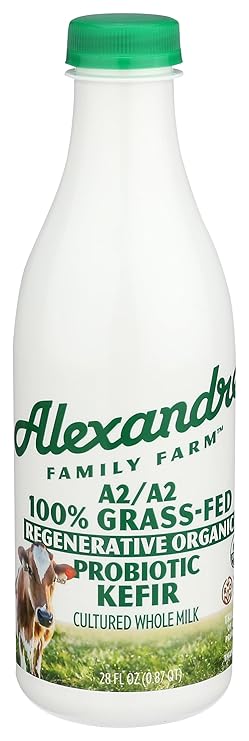
Discover the deliciously creamy taste of ALEXANDRE FAMILY FARMS Organic A2 Whole Milk Kefir, a standout choice for aficionados seeking the best milk for kefir-making. This organic, grass-fed milk offers a unique blend of A2 proteins, enhancing digestion and delivering a richer flavor profile that is both nourishing and satisfying.
ALEXANDRE FAMILY FARMS Organic A2 Whole Milk Kefir combines the purity of organic farming with the health benefits of A2 milk proteins. Its thick consistency makes it an ideal option for both drinking and culinary applications, with the added pleasure of a rich, creamy taste in every pour.
Pros
- Crafted from organic, grass-fed cows ensuring high-quality milk.
- Rich in A2 proteins, which are easier on the digestive system.
- Thick and creamy texture perfect for versatile use.
Cons
- Requires dilution before use for those preferring a lighter texture.
In conclusion, ALEXANDRE FAMILY FARMS Organic A2 Whole Milk Kefir shines in quality and flavor, making it an excellent choice for those who demand the best milk for kefir. Its nutritional benefits and culinary versatility provide a lasting value, ensuring a delightful experience sip after sip.
8. Cultures for Health Kefir Starter Culture | 4 Packets Freeze

Experience the art of kefir-making with the Cultures for Health Kefir Starter Culture. Designed for beginners, it simplifies the process, allowing you to enjoy homemade kefir’s nutritious and digestive benefits without the complexity of maintaining kefir grains. Discover why this easy-to-use starter kit is a must-have for any health-conscious enthusiast.
Discover why this easy-to-use starter kit is a must-have for any health-conscious enthusiast.
This versatile kefir starter includes four packets of freeze-dried culture, each capable of being reused up to seven times. Perfectly crafted for any liquid medium, it excels with milk, water, juices, and plant-based options, delivering a probiotic-rich beverage full of vital nutrients like vitamin B12, D, and calcium.
Pros
- Beginner-friendly and cost-effective approach to kefir-making.
- Suitable for a variety of beverages, including non-dairy options.
- Pathogen-tested for safe, high-quality cultures.
Cons
- Requires occasional reculturing to maintain viability.
The Cultures for Health Kefir Starter Culture offers an ideal entry point into homemade kefir, combining simplicity and nutritional value. At a price of $14, it stands out as an affordable option compared to maintaining live kefir grains, while still ensuring rich, tangy, and nutritious results with each use.
9. POSEYMOM Milk Kefir Grains | DIY Fermented Priobiotic Health Drink

Transform your digestive health with POSEYMOM Milk Kefir Grains, your gateway to vibrant wellness through the power of probiotics. Perfect for both beginners and seasoned fermenters, this DIY kit offers an effortless route to brew your own health drink, enriching your gut while safeguarding the planet.
POSEYMOM Milk Kefir Grains offer an all-natural, preservative-free solution to enhance your gut’s microbiome with rich probiotics. With easy-to-follow instructions and personalized support, brewing your milk kefir is both simple and rewarding, ensuring optimal gut health naturally.
Pros
- Boosts digestive and immune health with rich probiotics.
- User-friendly for first-time brewers with detailed instructions.
- Environmentally conscious choice by reducing footprint.
Cons
- Requires maintenance of live cultures.
Offering a blend of tradition and innovation, POSEYMOM Milk Kefir Grains caters to those seeking natural health remedies. Compared to store-bought probiotics, it provides more beneficial bacteria while aligning with eco-friendly values. A great choice for anyone eager to nourish their body and the planet.
10. Lifeway Low Fat Kefir – 10g Protein, 12 Live Active

Discover the delightful taste and health benefits of Lifeway Low Fat Kefir. Renowned as one of the best milk for kefir enthusiasts, this beverage combines the richness of blueberries with the wellness of probiotics, offering a tasty and nutritious option for anyone seeking a wholesome and delicious drink.
Lifeway Low Fat Kefir boasts 12 live and active probiotic cultures, delivering between 25-30 billion CFU per cup. This powerhouse is high in protein, providing 10 grams per serving, and enriched with calcium and vitamin D.
Enjoy this gluten-free, non-GMO, and up to 99% lactose-free drink that is as beneficial as it is tasty.
Pros
- Rich in probiotics, supporting digestive health.
- High protein content ideal for a nutritious breakfast on-the-go.
- Smooth, yogurt-like texture with a blueberry flavor.
Cons
- The bottle may be too large for single servings unless consumed daily.
For those looking to incorporate a healthy and delicious option into their daily routine, Lifeway Low Fat Kefir stands out with its unique blend of taste and nutrition. Compared to other similar products, its high probiotic and protein content make it an exceptional choice at an affordable price.
Experience the wellness benefits today.
Discover the Perfect Milk for Your Kefir: A Flavorful Journey
Quality and freshness
When choosing the ideal milk for kefir, understanding the differences between pasteurized and raw milk can make a significant impact on your homemade creation. Pasteurized milk, which has been heat-treated to kill harmful bacteria, offers a slightly easier fermentation process and may appeal to those concerned with food safety.
Observing freshness indicators is essential, regardless of your choice. Look for milk with longer expiration dates and a cold storage temperature, which ensure it’s at its peak when you begin fermentation.
The source of your milk also plays a crucial role; milk from grass-fed cows or local farms often carries richer, more nuanced flavors that can elevate your kefir. By balancing safety, flavor, and sourcing, you can select the perfect milk for a delightful homemade kefir experience.
Price and budget considerations
When selecting the best milk for kefir, understanding the balance between cost and quality is essential for making an informed choice. Different types of milk available can vary significantly in price, with organic and grass-fed options often being more expensive than conventional milk.
Many kefir enthusiasts find that although these premium types might cost more initially, they can offer superior taste and nutritional benefits, which can be a worthwhile investment for quality-conscious consumers. For those who are budget-conscious, buying in bulk is a clever strategy that can lead to savings. This approach is especially beneficial if you consume kefir regularly since larger quantities often come at a reduced per-unit cost.
It’s also worth considering that certain types of milk might produce more potent probiotics in homemade kefir, leading to potentially enhanced health benefits. Balancing cost with quality ultimately hinges on personal preferences and priorities, and it may be useful to try different types of milk to discover which one best suits your taste and health objectives.
Nutritional content
When searching for the best milk for kefir, it is essential to consider various factors that can impact the flavor and health benefits of your homemade kefir. One of the primary considerations is the protein levels; milk with higher protein content can result in a creamier and thicker kefir, which many people prefer. Additionally, the fat content plays a crucial role, as whole milk produces a richer and fuller texture, while low-fat milk may result in a lighter consistency.
Additionally, the fat content plays a crucial role, as whole milk produces a richer and fuller texture, while low-fat milk may result in a lighter consistency. It’s also important to think about lactose presence, especially if you’re lactose intolerant or sensitive. While fermentation reduces the lactose in milk, if you’re particularly sensitive, you might want to choose a lactose-free option.
Finally, the vitamin and mineral profile of the milk can influence the nutritional benefits of your kefir. Options rich in vitamins A, D, and important minerals like calcium and magnesium are excellent choices for a nutrient-rich fermented beverage. By carefully evaluating these aspects, you can select the milk that will best meet your taste preferences and dietary needs, ensuring a delightful and nourishing kefir experience.
Availability and accessibility
When choosing a milk to make kefir, there are several factors you might want to consider to ensure that you get the best results and enrich your culinary experience. One key aspect is where you source your milk.
Local markets often provide fresh options that could contribute to a richer flavor profile in your kefir compared to what is available at larger chain stores. Specialty markets, on the other hand, might offer unique varieties that cater to specific dietary preferences or taste profiles, such as goat or sheep milk, which can give your kefir a distinct taste and texture.
In addition to the source, deciding between organic and conventional milk is another important factor. Organic milk usually means there are no synthetic hormones or antibiotics used, which can be important if you are mindful about organic production practices. Organic options are often preferred for their perceived health benefits and environmental considerations, but they can sometimes come at a higher price point.
Organic options are often preferred for their perceived health benefits and environmental considerations, but they can sometimes come at a higher price point.
Another element to keep in mind is the shelf life of the milk you are considering. Fresh milk typically has a shorter shelf life, which is an important consideration if you plan to buy in bulk or infrequently. Some specialty markets offer milk with extended shelf life due to pasteurization methods, but this might impact the flavor or nutrients that are beneficial for making traditional kefir.
Some specialty markets offer milk with extended shelf life due to pasteurization methods, but this might impact the flavor or nutrients that are beneficial for making traditional kefir.
Types of milk
When choosing milk for kefir, the selection varies widely, each with unique characteristics that impact the flavor and texture of the final product. Cow’s milk is readily available and commonly used due to its mild taste and rich nutrient content, making it an excellent choice for creamy, traditional kefir.
It is often preferred by beginners because of its accessibility and consistent results. Goat’s milk, on the other hand, offers a distinctive tanginess that adds complexity to kefir. Its naturally smaller fat globules are thought to aid digestion, which can make it preferable for those with sensitive stomachs.
Sheep’s milk, though less common, provides a richer and more luxurious kefir due to its higher fat content. This option is ideal for those who enjoy indulgent creaminess in their probiotic drink.
For anyone seeking dairy-free alternatives, non-dairy options have emerged, with coconut, almond, and soy milk being popular choices. These alternatives cater to lactose-intolerant individuals or vegans, though the fermentation results may vary. It’s essential to pay attention to the milk’s sugar content, as kefir grains require some sugar to thrive and ferment effectively.
Whatever your dietary preference or taste, there is a milk variety to suit your kefir-making journey, each imparting its unique flavor profile and nutritional benefits.
FAQ’s
How Do Different Animal-Based Milks, Like Cow, Goat, Or Sheep, Influence The Probiotic Content Of Kefir?
Different animal-based milks, like cow, goat, or sheep, can influence the probiotic content of kefir by affecting the milk’s fat content, protein structure, and nutrient profile, which in turn can impact the growth and activity of the kefir grains. Each type of milk may support the proliferation of different strains of beneficial bacteria and yeasts, resulting in variations in flavor, texture, and probiotic composition of the kefir.
Are There Any Non-Dairy Milk Alternatives Suitable For Fermenting Kefir?
Yes, non-dairy milk alternatives such as coconut milk, almond milk, and soy milk can be used to ferment kefir; however, they may require additional nutrients like a small amount of sugar or a drop of molasses to support the fermentation process. It’s important to note that using non-dairy milk can alter the taste and texture compared to traditional dairy kefir.
What Impact Does Pasteurization Have On The Fermentation Process Of Kefir?
Pasteurization can affect the fermentation process of kefir by killing off both harmful and beneficial bacteria, which may reduce the diversity of microbes involved in kefir fermentation. As a result, the pasteurized environment might inhibit the natural interactions required for traditional kefir’s unique flavor and probiotic properties.
How Does The Fat Content Of Milk Affect The Texture And Taste Of Kefir?
The fat content of milk significantly influences the texture and taste of kefir; higher fat milk tends to result in a creamier, richer texture and a more robust flavor, while lower fat milk produces a lighter, tangier beverage. The creaminess balances the tangy taste, offering a more satisfying mouthfeel.
What Types Of Milk Are Most Commonly Used For Making Kefir At Home?
Cow’s milk and goat’s milk are the most commonly used types for making kefir at home due to their availability and suitable nutrient profiles for fermentation. However, some people also use plant-based milks like almond or coconut milk as alternatives, although they may require additional processing steps or additives for optimal fermentation.
Conclusion
When making kefir, choose milk that enhances fermentation and flavor. Raw milk, if safely sourced, offers optimal nutrition and active enzymes.
For a unique twist, try coconut or almond milk, but expect a thinner consistency and less probiotic activity compared to dairy options.