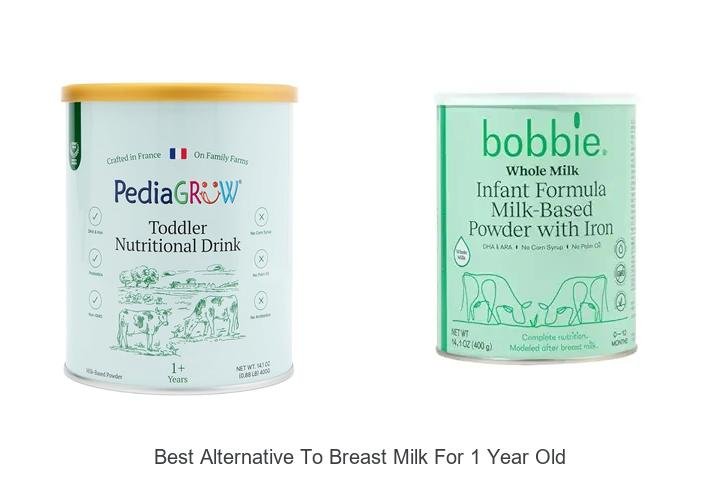
Discover the Top Substitute for Breast Milk!
As infants transition into their toddler years, nutritional requirements evolve, demanding a careful examination of feeding options. The intricate balance of macronutrients and immunological components inherent in breast milk offers unparalleled benefits during early development, yet circumstances may necessitate seeking the best alternative to breast milk for a 1-year-old.
This critical juncture invites consideration of various factors, such as protein content, fatty acid profile, and essential vitamins and minerals that support cognitive and physical growth. Navigating the complex landscape of toddler nutrition requires a nuanced understanding of dietary substitutes that align closely with the comprehensive nourishment provided by natural lactation. In exploring these alternatives, parents and caregivers are confronted with numerous options—each with distinct advantages and potential drawbacks, compelling us to delve deeper into their viability.
Top Nourishing Options for Your One-Year-Old: A Comparative Guide
| Image | Product | Price |
|---|---|---|
Pick 1  | Premium European Toddler Nutritional Milk Drink Powder | Made in | Check Price On Amazon |
Pick 2  | Bobbie Whole Milk, Grass Fed Baby Formula with Iron, Plant | Check Price On Amazon |
Pick 3  | Bubs Goat Toddler Nutritional Drink, Non-GMO Whole Goat Milk-Based Gentle | Check Price On Amazon |
1. Premium European Toddler Nutritional Milk Drink Powder | Made in
Searching for the best alternative to breast milk for 1 year old? Discover the Premium European Toddler Nutritional Milk Drink Powder, a flavorful and nutrient-rich option perfect for your child. Crafted with care in France, it offers a healthy, safe transition from breastmilk or formula for growing toddlers.
Infused with over 20 essential vitamins and minerals, this milk drink goes beyond basic nutrition. High in DHA, iron, and prebiotics, it nurtures both brain development and digestive health, providing comprehensive support to toddlers transitioning from breastmilk or formula.
Pros
- Made from premium grass-fed cow’s milk in France.
- Contains essential nutrients including DHA and iron.
- Simple, clean ingredients verified for purity and safety.
Cons
- Higher price point at $19 compared to regular milk.
Offering unparalleled nutritional support with a creamy, enjoyable taste, this toddler milk drink powder is a reliable choice for parents aiming to bridge the nutrition gap. Compared to other products, its clean-label credentials and high-quality ingredients ensure peace of mind and health benefits for your child.
2. Bobbie Whole Milk, Grass Fed Baby Formula with Iron, Plant
For parents seeking the best alternative to breast milk for a 1-year-old, Bobbie Whole Milk Formula offers a premium choice. Crafted from grass-fed, pasture-raised cows, this formula delivers a creamy, nutritious option that supports your child’s development while being gentle on their digestive system.
Bobbie Whole Milk Formula stands out by incorporating a 60:40 whey-to-casein ratio, closely resembling mature breast milk. Infants benefit from essential elements like Iron, DHA, and Vitamin D, without unwanted additives like palm oil or corn syrup.
Pros
- Modeled after breast milk for easier digestion.
- Whole milk from grass-fed cows provides rich nutrition.
- Filled with essential nutrients for brain and visual development.
Cons
- Higher price point compared to standard formulas.
Bobbie Whole Milk Formula offers a compelling combination of quality ingredients and thoughtful formulation, making it an excellent choice for parents. While it may be slightly more expensive, the benefits of superior nutrition and peace of mind in a nurturing choice stand out.
3. Bubs Goat Toddler Nutritional Drink, Non-GMO Whole Goat Milk-Based Gentle
Discover the gentle touch of Bubs Goat Toddler Nutritional Drink. Specifically crafted for toddlers aged 12-36 months with sensitive tummies, this whole goat milk-based formula offers exceptional nutrition and ease of digestion, making it the best alternative to breast milk for your young one.
Exclusively sourced from high-quality farmers, Bubs Goat Milk-Based formula features naturally occurring A2 protein, which supports easier digestion. Free from GMOs and artificial additives, it proudly meets first-class standards for safety and purity.
Pros
- Gentle on sensitive tummies for easier digestion.
- Non-GMO and free from artificial colors, flavors, and preservatives.
- Trusted by families for nearly 20 years with high-quality ingredients.
Cons
- Higher price point compared to some alternatives.
Bubs Goat Toddler Nutritional Drink not only excels in digestibility but also offers unparalleled peace of mind to parents. This premium formula stands out as a wholesome choice, ensuring happy and healthy development with every sip. For those searching for the best alternative to breast milk, it’s a worthwhile investment.
4. Munchkin Milkmakers Lactation Drink Mix Supplement with B Vitamins/Collagen/Fenugreek &

Discover a delicious and convenient way to enhance milk production with the Munchkin Milkmakers Lactation Drink Mix Supplement. Infused with skin-loving collagen and energy-boosting B vitamins, this berry lemonade-flavored drink mix offers a tasty and effective solution for lactating mothers.
Formulated with traditional milk-boosting ingredients like fenugreek, fennel, and milk thistle, this dietary supplement not only supports new moms but also promotes overall wellness with added collagen and vitamins B6 and B12. Each serving contains just 6 grams of sugar and 35 calories, making it a guilt-free addition to your daily routine.
Pros
- Supports milk production with traditional herbs
- Includes skin-nourishing collagen
- Low-sugar, naturally gluten-free option
Cons
- Flavor might require an adjustment period for some users
In conclusion, the Munchkin Milkmakers Lactation Drink Mix Supplement combines effectiveness with convenience, making it a strong contender among milk-boosting products. While similar products may offer similar results, the added benefits of collagen and B vitamins make it a standout choice for modern mothers.
5. Legendairy Milk Milkapalooza Lactation Supplement for Breastfeeding Moms, Increase Breast

Legendairy Milk Milkapalooza Lactation Supplement offers a natural and effective solution for breastfeeding moms looking to enhance their milk supply and enrich the nutritional content of their milk. Harnessing the power of organic herbs, this supplement supports healthy lactation while providing essential glandular tissue support.
Featuring a blend of organic Moringa, Nettle Leaf, Shatavari, and Fennel, Milkapalooza is specially designed to stimulate prolactin release, aiding in milk production without the potential side effects of fenugreek. Its certified organic and vegan capsules ensure the highest quality standards for breastfeeding mothers.
Pros
- Boosts healthy milk flow naturally.
- Free from fenugreek, reducing risk of adverse effects.
- Certified organic, vegan, kosher, and halal.
Cons
- Cost might be prohibitive for frequent dosing.
For breastfeeding mothers seeking an effective and natural lactation supplement, Legendairy Milk Milkapalooza stands out as a high-quality option compared to other products like Pump Princess. Its commitment to organic and fenugreek-free ingredients provides a unique and gentle approach to enhancing milk supply.
6. Earth Mama Organic Milkmaid® Tea | Lactation Support Herbal Tea

Experience the gentle support of Earth Mama Organic Milkmaid® Tea, designed to enhance your breastfeeding journey. This herbal blend offers a natural way to support healthy breast milk production, serving as a comforting ally for nursing mothers seeking the best alternative to breast milk for their 1-year-old.
Crafted with USDA Certified Organic ingredients, this tea features a harmonious blend of traditionally cherished herbs like fenugreek, fennel, and milk thistle. Refreshing, whether hot or iced, it delivers a subtly sweet flavor while promoting lactation with every soothing sip.
Pros
- USDA Certified Organic and vegan-friendly
- Formulated with supportive herbs for breast milk production
- Versatile taste enjoyed both hot or cold
Cons
- Not recommended for use during pregnancy
Earth Mama Organic Milkmaid® Tea offers a nurturing choice for breastfeeding mothers, standing out for its simplicity, organic certification, and potential lactation benefits. At only $12, it provides excellent value and gentle effectiveness, as supported by consumer reviews.
Explore the difference this herbal tea can bring to your breastfeeding experience today.
7. Baby’s Only Dairy Toddler Drink – No Corn Syrup or

For parents in search of the best alternative to breast milk for 1-year-olds, Baby’s Only Dairy Toddler Drink offers a gentle, nutritious solution. This premium toddler drink, free from corn syrup, alleviates digestive discomfort while providing essential vitamins and minerals crucial for your child’s development.
Specially designed for sensitive tummies, this formulation minimizes lactose content without compromising on quality dairy protein. Laden with 27 essential nutrients, it supports brain development and bone growth, making it a perfect supplement for toddlers transitioning from infant formula or breast milk.
Pros
- Gentle formula for reduced gas and bloating.
- Zero corn syrup or palm oil for cleaner nutrition.
- Rich in essential vitamins and minerals.
Cons
- Higher price point compared to generic alternatives.
With over two decades of trust and a rigorous safety testing protocol, Baby’s Only Dairy Toddler Drink is an ideal option for health-conscious parents. While it may have a higher price tag, its nutrient-rich formulation and clean label guarantee unparalleled peace of mind and well-being for your child.
8. Bubs 365 Grass Fed Toddler Nutritional Drink, Non-GMO Whole Milk-Based

Introducing the Bubs 365 Grass Fed Toddler Nutritional Drink, a top-notch choice for parents seeking the best alternative to breast milk for 1-year-olds. This non-GMO, whole milk-based formula supports your child’s nutrition with pure and balanced goodness that ensures safety and promotes healthy development.
Crafted in Australia, Bubs 365 is made from 365-day grass-fed cow’s milk, offering a clean label product praised for its purity and nutritional value. This toddler drink meets strict standards with no artificial colors, flavors, or preservatives, ensuring a gentle formula that’s kind to little tummies.
Pros
- Made with high-quality, grass-fed cow’s milk.
- Non-GMO with no artificial additives.
- Trusted brand with nearly 20 years of expertise.
Cons
- Smaller can size may require frequent purchases.
Bubs 365 Grass Fed Toddler Nutritional Drink offers an exceptional combination of purity and nutrition from a brand with a trusted history. While the can size might lead to more frequent buying, the quality and benefits make it a worthwhile investment for your child’s dietary needs.
9. Breast Shells, Milk Saver, Nursing Cups, Nursing Moms to Ease

The perfect companion for nursing mothers, these Breast Shells, Milk Saver, and Nursing Cups offer a reliable solution for collecting and storing precious breast milk leaks while alleviating discomfort from unexpressed milk. Enjoy peace of mind as your clothes stay dry and your nursing experience becomes more comfortable.
These innovative breast shells are designed with soft, secure silicone that not only collects milk but also protects sore or cracked nipples from further friction. Thanks to air vents, healing is expedited, and the silicone provides a gentle and flexible fit, ensuring a discreet presence in any bra size.
Pros
- Collects milk leaks effectively, preventing wet shirts
- Promotes faster healing for sore or cracked nipples with airflow vents
- Soft, food-grade silicone for comfort and safety
- Compatible with all bra sizes and easy to clean
Cons
- May require careful placement for optimal comfort and function
Overall, these Breast Shells provide a seamless blend of comfort and utility, making them an excellent choice for nursing moms seeking the best alternative to breast milk spillage solutions. Compared to other options, they’re uniquely designed for both storage and healing support, offering invaluable aid in your breastfeeding journey.
10. Legendairy Milk Lactivist Drops, Breastfeeding Supplement to Increase Breast Milk

Searching for the best alternative to breast milk for a 1-year-old can be challenging, but Legendairy Milk Lactivist Drops offer an exceptional solution. Specifically designed to naturally augment milk production, these vegan, non-GMO, and allergy-friendly drops empower nursing moms to boost their milk supply with confidence.
The unique formulation features Torbangun, a renowned galactagogue rich in Vitamin C, used for centuries by Indonesian mothers to enhance milk flow. Easy to use, alcohol-free, and fenugreek-free, this potent lactation supplement supports mothers without adverse effects often linked to other products.
Pros
- All-natural and potent formula to boost milk production.
- Certified vegan, non-GMO, gluten-free, and dairy-free, catering to dietary needs.
- Developed by industry leader Legendairy Milk, trusted by moms worldwide.
Cons
- Higher price point compared to other lactation products.
Legendairy Milk Lactivist Drops deliver unmatched lactation support in a pure, effective formula making it a valuable investment for mothers committed to breastfeeding. Unlike traditional fenugreek supplements, it provides a safe option without unwanted side effects, allowing moms to nurture their infants with peace of mind.
Top Picks for Nutritious Breast Milk Alternatives for Your Toddler
Nutritional content
When searching for the optimal choice for your child’s development, it’s important to consider a product that provides essential vitamins and minerals to support their growing needs. Understanding the protein sources in these alternatives is crucial, as this nutrient helps in building and repairing tissues in young, developing bodies.
Additionally, caloric content plays a significant role in ensuring your child receives enough energy to fuel their daily activities and growth spurts. When selecting a product, look for those that balance these nutritional components while also considering any dietary restrictions or preferences you may have for your child. Opting for options rich in diverse nutrients can help sustain healthy growth and development during this critical stage.
Brand reputation and reviews
When looking for the best alternative to breast milk for a 1-year-old, it is essential to consider a few key factors to ensure you are making a safe and informed choice. Trusted manufacturers are crucial as they have established a reputation for quality and safety standards. Make a point to research companies that have a solid track record in nutrition and baby care products.
Make a point to research companies that have a solid track record in nutrition and baby care products. Consumer reviews and testimonials can provide valuable insights into the real-life experiences of other parents, offering a clearer perspective on the product’s effectiveness and potential issues. Additionally, examining the safety record and recalls history of a brand can help illuminate its commitment to maintaining high safety protocols.
Always ensure the product meets the necessary nutritional requirements for your child and consult with a healthcare professional before making a final decision. These steps can help ensure you select a product that supports the healthy growth and development of your child while providing peace of mind.
Ease of preparation
When considering options for infant nutrition at the one-year mark, it’s important to weigh the convenience and practicality of powder versus liquid formulas, as both offer distinct benefits. Powder formulas are generally more economical, allowing for easy storage and mixing as needed; meanwhile, liquid formulas cut down preparation time since they’re ready to serve and eliminate the need for mixing altogether. Each option requires attention to storage instructions to maintain nutritional quality and safety.
Proper mixing techniques ensure the formula maintains the right consistency and nutritional value, so carefully reading the instructions on the packaging is crucial. Another important factor to keep in mind is the shelf life and expiry dates of both types of formula.
Powdered options generally have a longer shelf life once opened, whereas liquid formulas need to be consumed more quickly. Being mindful of these aspects can help ensure that whichever option chosen, it remains fresh and beneficial for your child’s needs.
Cost and availability
When looking for the best alternative to breast milk for a 1-year-old, it is important to consider various factors to ensure you are making the best choice for your child’s nutritional needs. Understanding the options available for these products can be critical in your decision-making process.
Generally, these alternatives can be found both in local stores and online, giving you flexibility in purchasing. Many e-commerce platforms offer subscription options that allow you to have the product delivered regularly to your doorstep, often at a discounted price for repeat orders. This can be particularly beneficial for busy parents who appreciate the convenience of not having to repeatedly purchase manually.
Additionally, comparing prices across different sellers can highlight differences in cost, ensuring you get the best value for your money. Checking for sales or promotions can also provide an opportunity to save.
By weighing these factors alongside your child’s specific nutritional needs, you can make an informed choice about the best alternative to breast milk for your child.
Allergens and dietary restrictions
When exploring options suitable for a young child’s dietary needs, especially if you’re considering alternatives to breast milk for a one-year-old, it’s important to understand various choices available. For those with concerns about lactose, lactose-free options offer a solution that is gentle on young stomachs, reducing the risk of digestive discomfort. If you are considering plant-based sources, soy-based alternatives can be a viable choice, providing essential nutrients without dairy components.
These are particularly helpful for families following a plant-based diet or for children with lactose intolerance. In situations where allergies are a concern, hypoallergenic formulas are designed to minimize allergic reactions.
These options are typically composed of extensively hydrolyzed proteins or amino acids, making them easier for a child’s system to process. Always consult with a pediatrician before making a choice to ensure that the selected alternative fits the specific nutritional needs and health requirements of your child, facilitating a balanced and healthy diet as they grow. This guidance ensures that whatever alternative you choose, it will nurture your child’s development effectively.
Recommendations from pediatricians
When considering options for infant nutrition, endorsements from healthcare professionals can provide valuable guidance. Consulting with your child’s doctor can help you identify the best choices tailored to your child’s specific needs and health conditions. Healthcare providers have access to a wealth of clinical studies and evidence-based recommendations, which support informed decision-making.
These resources explore various nutritional aspects and can reveal the benefits, compositions, and efficacy of alternatives suitable for young children. Understanding the research backing these options will ensure that your decision is not only aligned with your child’s dietary requirements but also supported by scientific findings and expert opinions.
Always engage with pediatric professionals who can offer personalized advice and ensure your choices contribute positively to your child’s growth and well-being.
FAQ’s
What Are The Nutritional Benefits Of Using Formula As An Alternative To Breast Milk For A 1-Year-Old?
Formula for a 1-year-old can provide essential vitamins and minerals, such as iron and vitamin D, which support growth and development. It also offers a consistent source of nutrition for those who are unable to breastfeed or need a supplement to meet their child’s dietary needs.
What Are Some Signs That A 1-Year-Old Is Not Tolerating An Alternative To Breast Milk Well?
Signs that a 1-year-old may not be tolerating an alternative to breast milk well include persistent diarrhea, vomiting, rash, or excessive gas, as well as refusal to drink the substitute or changes in feeding habits. Additionally, you may notice signs of discomfort such as irritability or difficulty sleeping.
Are There Any Specific Plant-Based Milk Options That Are Suitable For A 1-Year-Old After Transitioning From Breast Milk?
Yes, fortified soy milk is often recommended as a suitable plant-based option for a 1-year-old after transitioning from breast milk, as it provides comparable protein and essential nutrients. It’s important to choose unsweetened, fortified versions and consult with a pediatrician to ensure nutritional adequacy.
Should Vitamin And Mineral Supplements Be Considered When Transitioning From Breast Milk To An Alternative Option For A 1-Year-Old?
When transitioning a 1-year-old from breast milk to an alternative like cow’s milk or formula, it may be beneficial to consider vitamin and mineral supplements, especially for nutrients like iron and vitamin D that breast milk may have supplied in adequate amounts. However, it’s crucial to consult with a pediatrician to tailor any supplementation to the child’s specific dietary needs and health conditions.
How Do Goat’S Milk And Cow’S Milk Compare As Alternatives To Breast Milk For A Toddler?
Goat’s milk is often considered easier to digest than cow’s milk due to its lower lactose content and smaller fat globules, but both lack essential nutrients found in breast milk, such as sufficient levels of certain vitamins and fatty acids. Therefore, neither is a complete substitute for breast milk or formula, and it’s important to consult a pediatrician for appropriate dietary guidance for toddlers.
Conclusion
When breast milk is not an option for a 1-year-old, whole cow’s milk is often recommended by pediatricians as the best alternative due to its rich nutrient profile. For those with dietary restrictions or allergies, fortified soy milk is a suitable choice, providing essential vitamins and minerals. Always consult a healthcare professional to ensure the chosen alternative meets your child’s nutritional needs.