Bake vs Roast: Choosing the Right Cooking Method
Imagine the golden crust of a roast chicken or the tender crumb of a freshly baked loaf—each created by a different heat and technique. When you’re in the kitchen, knowing whether to bake or roast can make all the difference in flavor and texture.
But how do you decide which method suits your dish best? Understanding the nuances behind these cooking styles can transform your meals in unexpected ways.
Choosing the right cooking method—bake vs roast—is essential for achieving perfect results every time.
Understanding Roasting

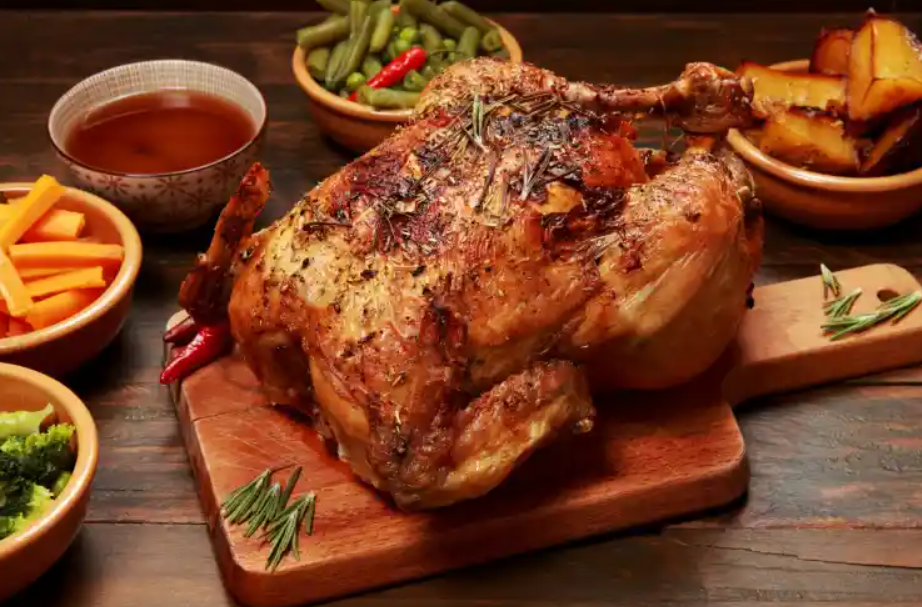
How does roasting transform your food? Roasting uses dry heat at high temperatures, usually above 400°F, to develop deep browning and a crispy exterior.
When you roast foods with solid structures, like large cuts of meat, root vegetables, or dense veggies, you reveal intense flavor development.
Cooking in an uncovered pan lets moisture escape, encouraging caramelization and Maillard reactions on the surface.
These chemical reactions create that rich, savory taste and appealing golden-brown color you crave.
The process not only crisps the outside but also tenderizes the interior, making your meal both flavorful and satisfying.
Understanding Baking

While roasting brings out bold flavors through high heat and browning, baking takes a gentler approach by cooking with dry heat at temperatures usually below 375°F.
When you bake, the oven temperature surrounds unstructured foods like batter or dough with hot air, promoting gentle cooking and even cooking throughout.
This process triggers chemical reactions that help set the structure and develop tender textures without the need for browning.
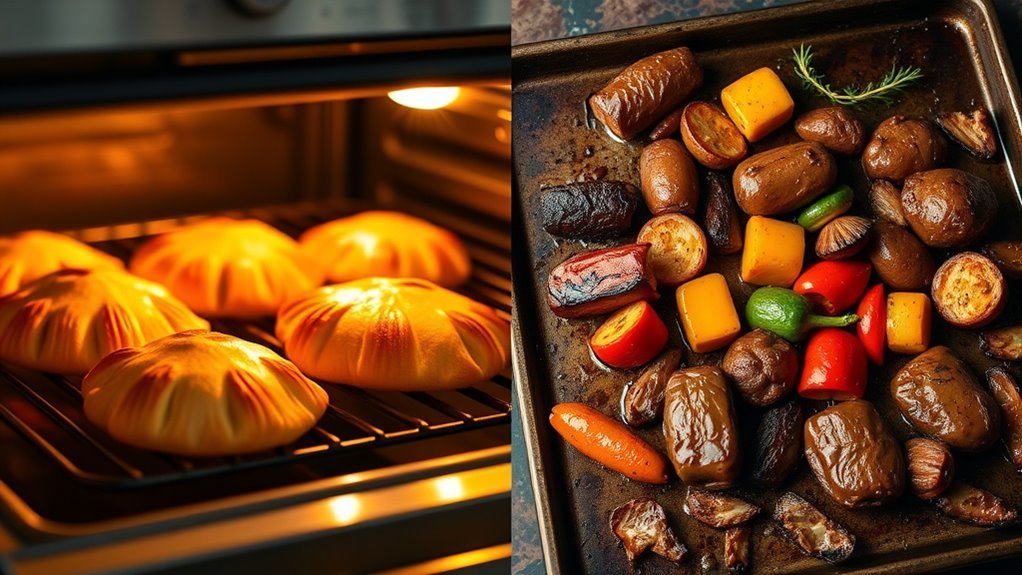
Baking works best for cakes, cookies, bread, and pastries that start soft and gradually form shape and texture as they cook.
Temperature Differences Between Baking and Roasting
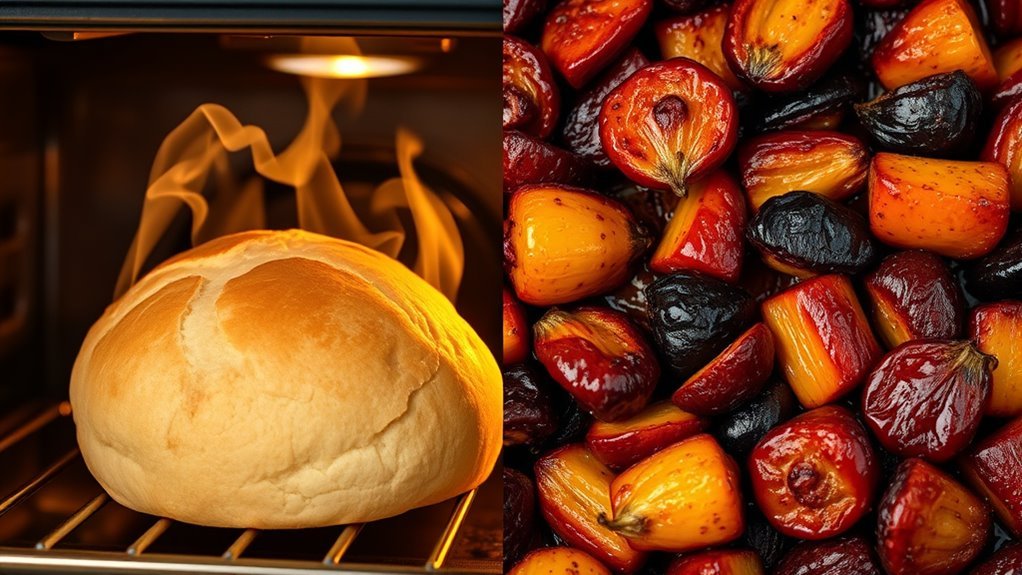
Because roasting uses higher temperatures, typically above 400°F, it creates a crispy, browned exterior that baking, which stays between 325°F and 375°F, usually can’t achieve.
In your oven, the increased heat of roasting speeds up browning through caramelization and Maillard reactions, which deepen flavors and produce that desirable crispy exterior.
Baking’s lower temperature range allows for gentle cooking, perfect for delicate items needing even heat without excessive browning.
Controlling the temperature in both methods is key; too much heat can burn or dry food, while too little slows cooking and limits flavor development.
Understanding these temperature differences helps you harness your oven’s heat effectively, ensuring the right texture and taste for whatever you’re preparing.
Best Foods for Roasting and Baking
The temperature differences between baking and roasting directly influence which foods work best with each method. When roasting, you’ll want to choose solid foods like meat and hearty vegetables such as potatoes, carrots, and Brussels sprouts. The high oven temperature encourages caramelization and a crispy crust, enhancing flavor and texture.
Roasting these on a baking sheet helps develop that desirable caramelized exterior while keeping the inside juicy.
On the other hand, baking suits foods with softer food structure like cakes, muffins, and casseroles. These require lower oven settings to cook evenly without burning, preserving a tender texture.
You’ll often use a baking sheet or dish to guarantee even heat distribution. Understanding how oven temperature affects food structure helps you pick the right cooking method for your dish.
Equipment and Techniques for Roasting
If you want to achieve a perfectly browned and flavorful roast, choosing the right equipment and techniques is essential. Start with a sturdy roasting pan paired with a roasting rack to elevate your food, promoting even heat distribution and ideal hot air circulation.
Always preheat your oven to a high oven temperature, typically above 400°F, to encourage proper browning and caramelization. Consider convection roasting if your oven has that feature; its fan enhances hot air circulation, resulting in crispier textures and more uniform cooking.
Using low-sided pans ensures better heat exposure. Careful oven temperature control prevents overcooking. Mastering these cooking techniques with the right cooking equipment will help you achieve a delicious roast every time.
Equipment and Techniques for Baking
When you bake, maintaining a steady oven temperature between 350°F and 375°F helps guarantee even heat distribution. This is essential for setting the structure of your baked goods. Preheating your oven and proper oven rack placement ensure consistent results.
Use appropriate baking equipment like baking dishes for casseroles and baking sheets for cookies. Convection baking enhances hot air circulation, promoting uniform browning. Mastering these baking techniques elevates your dishes every time.
| Baking Equipment | Purpose |
|---|---|
| Baking Dishes | Ideal for casseroles and breads |
| Baking Sheets | Perfect for cookies and pastries |
| Oven Rack | Adjust for even heat distribution |
| Oven Thermometer | Monitor precise oven temperature |
| Oven Preheater | Ensures consistent oven temperature |
Convection Bake vs. Convection Roast Explained
Although both convection bake and convection roast use fans to circulate hot air, they serve different cooking purposes and operate at distinct temperatures and settings.
Convection bake circulates hot air at moderate temperatures, usually between 325°F and 375°F, with heat mainly from the bottom heating element. This guarantees even, gentle cooking ideal for baked goods like cakes and cookies.
On the other hand, convection roast runs at higher temperatures, typically above 400°F, using both top and bottom heating elements with fan circulation to promote browning and crispy textures.
This method suits meats and vegetables, giving them a crispy exterior while keeping the inside moist.
Each mode optimizes fan speed and temperature to enhance softness in baked goods or browning in roasted items, making these cooking methods uniquely suited for their respective dishes.
Tips for Choosing Between Baking and Roasting
Since baking and roasting serve different purposes, choosing the right method depends on the type of food and the texture you want to achieve. Use baking for delicate food types like cakes or bread that need gentle heat and even heat distribution to rise properly.
Roasting suits solid foods with firm food structure, such as meats or root vegetables, requiring higher roasting temperatures (425°F-450°F) for browning and caramelization. Adjust oven settings accordingly: bake at moderate temperatures (350°F-375°F) and roast at higher heat for crispiness.
Consider oven rack placement to optimize dry heat cooking. Place roasting pans lower for better browning.
Cooking times vary; roasting is generally shorter but intense, while baking takes longer with steady heat.
These baking tips help you master both methods effectively.
Frequently Asked Questions
Should I Use Roast or Bake Setting?
You should use roast for meats or vegetables above 400°F to get a crispy exterior.
Choose bake for cakes, cookies, or bread at lower temperatures for even, gentle heat and proper rising or setting.
Is It Better to Bake or Roast a Roast?
You’ll get a better crust roasting since 70% of chefs prefer high heat for flavor.
If you want a tender, evenly cooked roast, baking’s your go-to. Choose roasting for crispiness, baking for tenderness.
What Is the Difference Between Roasting and Baking Cooking Methods?
You roast at higher temperatures to brown and crisp meats or vegetables, while you bake at lower heat to gently cook batters and doughs, allowing them to rise and set evenly without browning intensely.
What Is the Difference Between Bake and Roast on Kitchenaid Oven?
You know what they say, “Different strokes for different folks.” On your KitchenAid oven, Bake uses gentler, lower heat from the bottom for even cooking, while Roast applies high, top heat to brown and crisp meats or veggies.
Conclusion
Choosing between baking and roasting isn’t just a kitchen decision—it’s a culinary superpower! You hold the key to transforming humble ingredients into either tender masterpieces or crispy delights.
Don’t underestimate how a few degrees and the right method can flip your meal from “meh” to mind-blowing. So, grab your thermometer, trust your instincts, and get ready to create dishes so perfect they’ll make taste buds sing and ovens jealous!
Mastering the art of bake vs roast means unlocking the full potential of your cooking. With the right technique, your meals will consistently impress and satisfy every time.