Top 5 Best Milk for Smoothies You’ve Been Missing
In the intricate world of nutrient-dense blends, where emulsion stability meets optimal macronutrient balance, the selection of the best milk for smoothies becomes a critical consideration. Among the myriad options available—from cow’s milk with its rich lactose profile to the plant-based contenders like almond, coconut, and oat milk—understanding the biochemical implications of each choice is essential.
Antioxidant capacity and omega fatty acid profiles further complicate this matrix of possibilities. This exploration delves deeper into the science behind the best milk for smoothie crafting, weighing factors such as emulsification capabilities and dietary restrictions to reveal the ideal component for your next blend.
Discover the Ultimate Creamy Boost for Your Smoothies
| Image | Product | Price |
|---|---|---|
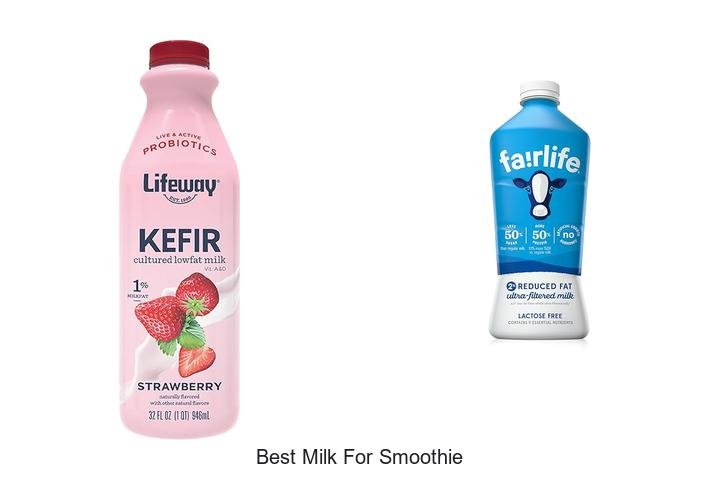
Pick 1  | Lifeway Low Fat Kefir – 10g Protein, 12 Live Active | Check Price On Amazon |
Pick 2  | Fairlife 2% Reduced Fat Ultra Filtered Milk, Lactose Free, 52 | Check Price On Amazon |
Pick 3  | Amazon Grocery, Whole Milk,1 Gallon (Previously Amazon Fresh, Packaging May | Check Price On Amazon |
1. Lifeway Low Fat Kefir – 10g Protein, 12 Live Active
Discover the secret to making the best smoothie with Lifeway Low Fat Kefir. This probiotic-packed drink combines creamy texture and tangy flavor, delivering a health boost in every glass. Ideal for smoothie enthusiasts, Lifeway Kefir transforms your drink into a delicious, nutritious experience.
Ideal for smoothie enthusiasts, Lifeway Kefir transforms your drink into a delicious, nutritious experience.
Rich in active probiotic cultures, each cup contains 25-30 billion CFU. With 10g protein per serving and loaded with calcium and Vitamin D, Lifeway Kefir is also gluten-free and crafted with natural, non-GMO ingredients. It’s up to 99% lactose-free, ensuring you enjoy all benefits without discomfort.
It’s up to 99% lactose-free, ensuring you enjoy all benefits without discomfort.
Pros
- High probiotic content supports gut health.
- Low in fat and sugar, yet rich in taste.
- Great source of protein and essential vitamins.
Cons
- May not be suitable for those who dislike tangy flavors.
Incorporate Lifeway Low Fat Kefir into your smoothies for a perfect blend of taste and health. While other products may offer benefits, Lifeway stands out with its impressive probiotic profile and creamy taste.
amazon.com/Lifeway-Lowfat-Strwbry-Kefir-32/dp/B00LOAW7U6/) to learn more.
2. Fairlife 2% Reduced Fat Ultra Filtered Milk, Lactose Free, 52
Experience the creamy indulgence of Fairlife 2% Reduced Fat Ultra-Filtered Milk. Known as the best milk for smoothies, it’s lactose-free and crafted from high-quality dairy milk, undergoing a unique filtration process that enriches protein and calcium while lowering sugar, ensuring a premium taste.
The filtering process distinguishes Fairlife from regular milk, offering 50% more protein and 50% less sugar. This ultra-rich and lactose-free milk provides a clean, sweet taste without any artificial growth hormones, ideal for culinary creations or enjoyed on its own.
Pros
- High protein and low sugar content enhance nutritional value
- Lactose-free, making it suitable for those with lactose intolerance
- Longer shelf life reduces waste and ensures freshness
Cons
- Priced higher than regular milk options
Opt for Fairlife 2% Reduced Fat Ultra-Filtered Milk for a nutrient-packed, creamy, and smooth experience that surpasses typical milk choices, offering unparalleled quality and taste found in few other dairy products.
3. Amazon Grocery, Whole Milk,1 Gallon (Previously Amazon Fresh, Packaging May
Discover the secret to delicious, creamy smoothies with Amazon Grocery’s Whole Milk, 1 Gallon. Perfect for elevating your beverage experience, this whole milk is crafted from cows not treated with rBST, ensuring high-quality taste and nutritional benefits with every pour.
This versatile whole milk stands out as the best milk for smoothies, thanks to its rich texture and nutritious profile. With a reliable source of calcium, it supports your dietary needs while enhancing the flavor of your favorite recipes seamlessly.
Pros
- Made from cows not treated with rBST
- Good source of calcium
- Value for money with Amazon Grocery pricing
Cons
- Packaging may vary during brand transition
In conclusion, Amazon Grocery’s Whole Milk is an excellent choice for both smoothies and everyday use, combining quality with affordability. Its nutrient-rich composition makes it a standout compared to other milk brands, reinforcing its status as a household essential. Experience the authentic flavor and exceptional value it brings to your kitchen today!
Experience the authentic flavor and exceptional value it brings to your kitchen today!
4. Lifeway Organic Whole Milk Kefir Smoothie, Plain, 32 Ounce
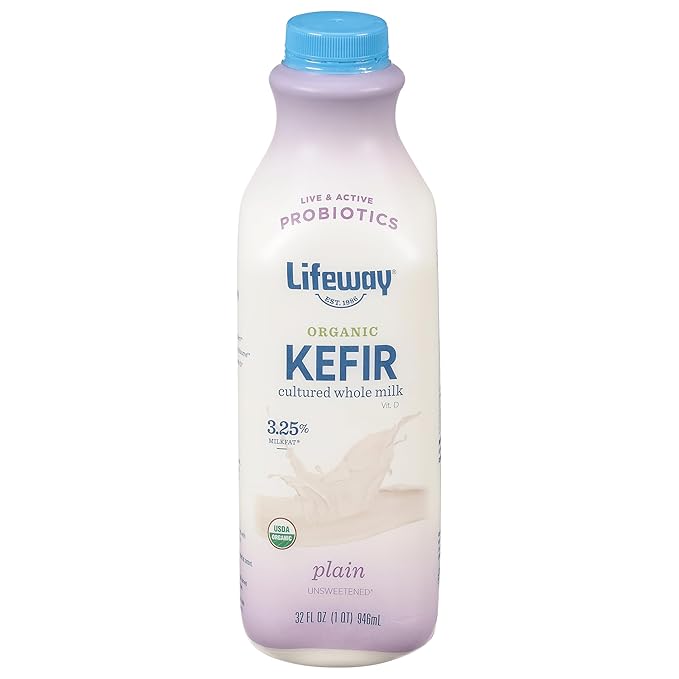
Experience the richness of Lifeway Organic Whole Milk Kefir Smoothie, a perfect choice for health enthusiasts seeking the best milk for smoothie creations. With its delightful taste and nutrient-packed formula, this kefir transforms your morning routine into a gourmet experience.
Boasting 12 probiotic cultures, our Certified USDA Organic kefir is gluten-free, 99% lactose-free, and contains no added sugar, making it an ideal choice for health-conscious individuals. Delight in the smooth texture and refreshingly tart flavor that elevates every sip and smoothie creation.
Pros
- Rich in probiotics for excellent gut health
- Certified USDA Organic and gluten-free
- No added sugar for a healthier lifestyle
Cons
- May not appeal to those who prefer sweetened yogurt drinks
At just $6, Lifeway Organic Whole Milk Kefir is an affordable and nutritious choice for your daily diet. Compared to similar products, its organic certification and lack of added sugars stand out, ensuring that you enjoy a healthier and tastier beverage choice.
5. Vita Coco Original Organic Coconut Milk, Plant Based, Dairy Free

Vita Coco Original Organic Coconut Milk offers a refreshing twist on plant-based drinks, making it the best milk for smoothies. Enjoy a light, smooth texture without added sugars, perfect for those seeking a dairy-free alternative enriched with hydrating electrolytes and nutrients straight from coconuts.
This non-dairy beverage combines coconut water and cream to deliver a satisfying taste in Original, Vanilla, and Cinnamon flavors. Vita Coco’s organic, GMO-free, and soy-free formula makes it an excellent choice for anyone looking to enhance their breakfast routine with a healthier, lighter option.
Pros
- Organic, non-GMO, and free of added sugars
- Rich in electrolytes and important nutrients
- Versatile in recipes and shelf-stable for convenience
Cons
- A thinner consistency compared to traditional milk
Priced at $14, Vita Coco Original Organic Coconut Milk offers remarkable value with its recyclable packaging and delightful taste. For those who prefer a lighter milk substitute, it stands out compared to soy, oat, and almond alternatives, ensuring a revitalizing addition to your favorite smoothies and more.
6. Horizon Organic Shelf Stable Whole Milk Boxes, 8 fl oz,

Discover a convenient and delicious way to enjoy organic milk with Horizon Organic Shelf Stable Whole Milk Boxes. Perfect for on-the-go lifestyles, these milk boxes provide the creamy taste of organic milk without the need for refrigeration.
Keep them handy in your pantry for smoothies, cereal, or as a refreshing drink.
These milk boxes come packed with essential nutrients, delivering 8g of protein per serving and providing an excellent source of calcium and a good source of vitamin D. UHT pasteurized for extended shelf life, they ensure you have the best milk for smoothies and more at your fingertips.
Pros
- Convenience of shelf stability, reducing the need for refrigeration.
- High nutritional content, including protein, calcium, and vitamin D.
- Organic milk sourced from pasture-raised cows fed non-GMO feed.
Cons
- Slightly higher price compared to conventional bottled milk.
Horizon Organic Shelf Stable Whole Milk Boxes offer unparalleled convenience and nutritional benefits, making them a smart choice for busy individuals and families. Compared to traditional milk, their longevity and ease of use make them an ideal addition to any household pantry.
7. West Life Unsweetened Smoothie Blend Soymilk, 32 Fz
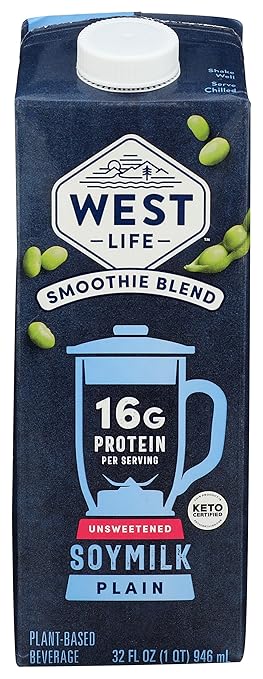
Elevate your smoothie game with West Life Unsweetened Smoothie Blend Soymilk. Renowned for being the best milk for smoothie creation, this soymilk ensures every blend is a creamy, indulgent success.
Experience a health-conscious choice without sacrificing taste.
Crafted specifically for smoothie enthusiasts, this unsweetened blend offers a rich flavor profile that complements a variety of ingredients. Whether you’re embracing plant-based living or simply seeking a nutritious delight, it’s the ideal addition to your dietary routine.
Pros
- Rich and creamy texture perfect for smoothies
- Unsweetened for full control over smoothie sweetness
- Endorsed by users as the best tasting soymilk
Cons
- Relatively higher price point at $18 for 32 Fz
West Life Unsweetened Smoothie Blend Soymilk delivers on flavor and compatibility, making it a standout among smoothie options. While its cost is at a premium, the sensory experience and health benefits offered make it a justified addition to your pantry.
8. Maple Hill Creamery Organic Whole Milk, 64 fz

Discover the epitome of creamy indulgence with Maple Hill Creamery Organic Whole Milk. Ideal for smoothies, this milk brings a rich, farm-fresh flavor from grass-fed cows straight to your glass. Experience nature’s pureness in every sip and elevate your favorite beverages with the best milk for smoothie creations.
Bask in the nutritional richness of this USDA-certified organic whole milk. Sourced from 100% grass-fed cows, it promises a taste of lush pastures along with the benefits of ultra-pasteurization for enhanced safety and longevity. Free from artificial additives, this milk maintains genuine flavor integrity through sustainable farming practices.
Pros
- Rich, creamy taste that enhances any smoothie.
- 100% grass-fed cows ensure organic and natural nutrition.
- Ultra-pasteurized for longer shelf life without sacrificing quality.
Cons
- Higher price compared to non-organic milk.
Maple Hill Creamery Organic Whole Milk stands out with uncompromised quality and taste. While pricier than some alternatives, its creaminess and purity are unmatched, resonating with discerning consumers. Compare with Organic Valley Grassmilk, though many find Maple Hill superior in richness.
Compare with Organic Valley Grassmilk, though many find Maple Hill superior in richness. Elevate your smoothie game today with this exquisite choice.
9. 365 by Whole Foods Market, Organic Whole Milk, 128 oz

Unlock the ultimate smoothie experience with 365 by Whole Foods Market’s Organic Whole Milk. Ideal for health enthusiasts, this milk promises not only premium quality but also a robust flavor that can elevate your smoothie game to a whole new level.
This organic whole milk is a testament to Whole Foods Market’s stringent quality standards, ensuring you receive only the finest ingredients. Perfectly balancing rich taste and nutritional value, it becomes an essential addition to your pantry.
Pros
- Certified organic, ensuring top-tier quality.
- Enhances the creamy texture of smoothies.
- Whole Foods Market brand trust and quality assurance.
Cons
- Potential for near-expiration delivery if not checked carefully.
In sum, at a competitive price of $7, 365 by Whole Foods Market, Organic Whole Milk offers unmatched quality and flavor enhancement, making it arguably the best milk for smoothie enthusiasts seeking reliability and excellence.
10. Mooala – Organic Original Bananamilk, 32 FL Oz (Pack of

Looking for the best milk for your smoothies? Meet Mooala’s Organic Original Bananamilk, a delightful blend of organic bananas, sunflower seeds, and cinnamon.
Perfect for those seeking a healthy, plant-based alternative, it’s nut-free, gluten-free, and Whole30 friendly. Enjoy its nutritious benefits with just 60 calories per serving.
Mooala’s Bananamilk is not just a milk alternative; it’s a smart choice for anyone seeking rich taste without dairy, soy, or gluten. This shelf-stable beverage comes in a convenient pack of six, ensuring a wholesome, calcium and potassium-rich addition to your pantry.
Pros
- Whole30 friendly with no added sugar
- Convenient shelf-stable packaging
- Versatile use in cereal, smoothies, and more
Cons
- Flavor might be too subtle for those who prefer a stronger banana taste
Mooala’s Original Bananamilk offers a unique taste and nutritional benefits, making it a superior choice for smoothie enthusiasts and anyone in search of a healthy dairy-free option. Its balanced flavor and versatility set it apart from other milk alternatives, ensuring it’s always a beneficial swap in your diet.
Choosing the Creamiest Blend: Finding the Best Milk for Amazing Smoothies
Price range and availability
Choosing the ideal milk for a smoothie involves considering both flavor preference and dietary needs. Among the budget-friendly choices, almond milk stands out for its low calorie content and mild, nutty taste. It’s an excellent option for those looking for a plant-based alternative.
For a richer texture, oat milk provides a creamy finish without overpowering the smoothie’s flavor. On the other hand, premium options like coconut milk bring a tropical twist with their distinct flavor and creaminess, perfect for exotic smoothie blends.
Whole milk, with its rich and creamy texture, is a traditional choice catering to those who enjoy a classic smoothie taste. Whether you’re exploring local grocery stores for fresh and affordable options or searching online for specific brands and varieties, there’s a wide range of choices available to fit your smoothie-making preferences.
Taste and texture
When making smoothies, choosing the right milk significantly enhances the overall taste experience and texture. Opting for a milk that offers a perfect creaminess factor can transform a simple blend of fruits and vegetables into a velvety and indulgent drink.
The creaminess impacts the smoothie flavor by offering a rich, satisfying base that can balance or accentuate the sweetness or earthiness of the ingredients you choose to blend. It is crucial for maintaining a seamless blending consistency, ensuring all components are uniformly combined without graininess or separation. Whether you prefer dairy options like whole milk or plant-based alternatives like almond or oat milk, the choice will influence how smooth and well-integrated your smoothie turns out.
When buying milk for this purpose, consider how it complements both your palate and dietary preferences, as the right selection can amplify the delight and refreshment of your smoothie creations.
Nutritional content
When selecting an ideal milk to enhance your smoothies, it’s important to consider various nutritional aspects to ensure you get the most benefit from your drink. A noteworthy consideration is the protein levels present in the milk options you are choosing from. High-protein varieties like cow’s milk and soy milk can support muscle repair and satiety, making them great choices if you’re looking to boost the nutritional value of your smoothie.
High-protein varieties like cow’s milk and soy milk can support muscle repair and satiety, making them great choices if you’re looking to boost the nutritional value of your smoothie. Additionally, fat content might influence your decision. For those aiming for a creamy consistency with healthy fats, whole milk or coconut milk can provide a richer texture and taste, while options like almond milk or skim milk offer lower-fat alternatives.
Furthermore, the vitamins and minerals found within the milk can vary significantly. Options such as almond milk often come fortified with calcium and vitamin D, which are essential for bone health, whereas oat milk is known for offering a good amount of fiber along with essential nutrients.
Dairy vs nondairy options
Choosing the right milk for your smoothie can significantly enhance its taste, texture, and nutritional value. If you’re lactose intolerant or simply prefer alternatives, nondairy options like almond milk, coconut milk, and soy milk are widely favored for their creamy textures and unique flavors.
Soy milk provides a hearty creaminess and is often chosen for its higher protein content. Each type brings its own character to your smoothie, allowing you to tailor your drink to your taste preferences and dietary needs.
Those considering lactose-free paths will find these alternatives not just viable but often more varied in flavor, presenting opportunities to experiment with different combinations in your smoothie-making endeavors. Experimenting with different milks can also reveal how each affects the final texture and sweetness, whether you’re aiming for a refreshing, light consistency or a thicker, more indulgent experience.
Dietary preferences and restrictions
Choosing the right milk for a smoothie is as much about dietary preferences as it is about flavor and texture. If you’re a vegan or vegetarian, plant-based milks like almond, soy, or oat are excellent options that provide creaminess and a subtle taste without the use of animal products. For those who are concerned about gluten, it’s reassuring to know that many plant-based milks naturally lack gluten, though it’s always wise to check for a gluten-free label to avoid any potential cross-contamination.
Sugar content is another significant consideration; you’ll find both sweetened and unsweetened varieties of milk, so selecting the perfect one largely depends on your personal taste and dietary goals. Unsweetened versions allow you to control the sweetness level, especially when combined with naturally sweet fruits, while sweetened versions can enhance the overall flavor of your smoothie.
Ultimately, the choice hinges on your specific needs and the flavor profile you desire in your smoothie creations.
Environmental impact
Considering the sustainability of production is significant when selecting a suitable product for your needs. Many brands are making strides in reducing their environmental impact by ensuring that their sourcing practices are sustainable and ethically responsible. It’s essential to look for products that emphasize packaging eco-friendliness, such as using recyclable materials or reducing overall waste.
Moreover, some brands are actively committed to environmental issues, supporting initiatives or adopting practices that align with a greener future. When making your purchase, pay attention to how companies are integrating these elements into their production processes to make informed, environmentally conscious choices.
By selecting a product that aligns with these values, you contribute to a more sustainable world while enjoying your purchase.
FAQ’s
How Does The Flavor Profile Of Various Milks Affect The Taste Of A Smoothie?
The flavor profile of various milks, such as almond, coconut, or oat milk, can influence a smoothie’s taste by adding subtle nutty, creamy, or sweet undertones that complement or alter the overall flavor. Different milks can also affect the smoothie’s texture, making it richer or lighter.
What Are The Best Plant-Based Milk Alternatives For Smoothies For Those With Lactose Intolerance?
For those with lactose intolerance, almond milk, oat milk, and coconut milk are excellent plant-based alternatives for smoothies, providing creamy textures and varying nutritional benefits. Each offers unique flavors and additional nutrients, allowing for customization based on personal preference and dietary needs.
What Factors Should Be Considered When Choosing The Best Milk For A Smoothie To Enhance Its Creaminess And Texture?
When choosing the best milk for a smoothie to enhance creaminess and texture, consider the milk’s fat content, as higher fat varieties such as whole milk, coconut milk, or almond milk can provide a richer texture. Additionally, personal dietary preferences and lactose tolerance should influence your choice to ensure the smoothie not only tastes good but is also suitable for your dietary needs.
What Are The Health Benefits Of Using Different Types Of Milk In Smoothies?
Different types of milk in smoothies offer various health benefits; for instance, almond milk is low in calories and rich in vitamin E, while cow’s milk provides a good source of protein and calcium. Choosing diverse milk options can cater to dietary needs and preferences, enhancing the nutritional value of smoothies.
How Do Nutritional Values Of Popular Milk Choices Compare When Used In Smoothies?
When comparing nutritional values in smoothies, cow’s milk generally offers more protein and calcium, while almond milk is lower in calories but also lower in protein. Oat milk provides a moderate protein and fiber content, with added vitamins depending on fortification.
Conclusion
In summary, the best milk for smoothies largely depends on your personal preferences and dietary needs. Almond milk offers a low-calorie, nutty option while maintaining creaminess. Soy milk provides a protein-rich, dairy-free alternative.
Soy milk provides a protein-rich, dairy-free alternative. Coconut milk adds a tropical flair with its rich texture. For those seeking a balanced, versatile choice, oat milk delivers smooth consistency and subtle sweetness.