Discover the Best Milk for Baking Secrets!
In the world of culinary science, the emulsifying capabilities, fat content, and protein structure of milk form the backbone of successful baking endeavors. Selecting the best milk for baking is not merely about following traditional recipes but understanding how different milk types can alter texture, moisture, and flavor profiles in baked goods. Whole milk, skim milk, and their plant-based counterparts like almond and oat milk each bring distinct properties to the mixing bowl, impacting the emulsification process and crumb structure of your batter.
Whole milk, skim milk, and their plant-based counterparts like almond and oat milk each bring distinct properties to the mixing bowl, impacting the emulsification process and crumb structure of your batter. As bakers venture into creating fluffy cakes, moist muffins, or tender pastries, the choice of milk becomes a critical factor in the finished product’s success. Discover the nuanced influences various milks have on your baked creations and identify which type reigns supreme in perfecting your sweet confections.
Discover the Perfect Dairy Choice for Your Baking Needs
| Image | Product | Price |
|---|---|---|
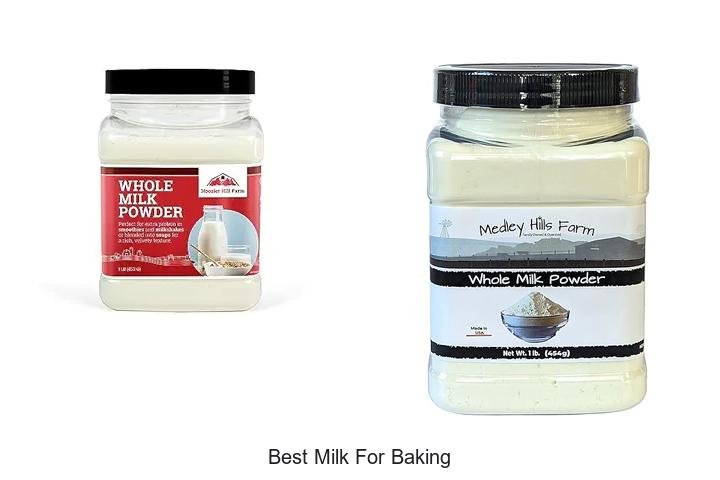
Pick 1  | Whole Milk Powder by Hoosier Hill Farm, 1 Pound (Pack | Check Price On Amazon |
Pick 2 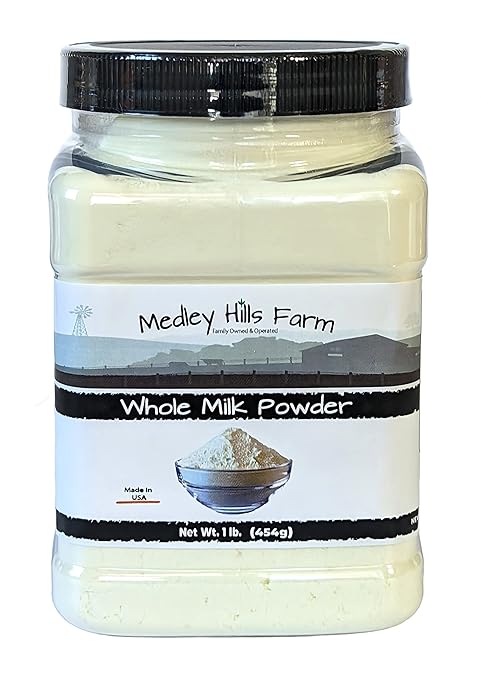 | Whole milk powder By Medley Hills Farm in Reusable Container | Check Price On Amazon |
Pick 3  | 365 by Whole Foods Market, Organic Sweetened Condensed Milk, 14 | Check Price On Amazon |
1. Whole Milk Powder by Hoosier Hill Farm, 1 Pound (Pack
Discover the secret to achieving baking perfection with Hoosier Hill Farm’s Whole Milk Powder, known as one of the best milk powders for baking. Crafted from 100% hormone-free whole milk, it promises rich, creamy flavors reminiscent of fresh milk, making it an ideal addition to your pantry essentials.
This versatile Whole Milk Powder offers a delectable flavor while providing a high-protein, nutrient-rich option. Perfect for enhancing the creaminess of smoothies, soups, or sauces, it’s equally effective in baking mixes and hot cocoa.
Pros
- High in protein and nutrient-rich
- Sweet, pleasing flavor similar to fresh milk
- Versatile use in cooking, baking, and beverages
Cons
- Not an instant product; requires mixing time
A perfect blend of taste and nutrition, Hoosier Hill Farm Whole Milk Powder stands out for its quality and versatility. Ideal for elevating your culinary creations, its exceptional taste and texture distinguish it from other milk powders in the market.
2. Whole milk powder By Medley Hills Farm in Reusable Container
Discover the superior taste and versatile convenience of Medley Hills Farm’s Whole Milk Powder, perfectly designed for baking, cooking, and more. Reconstitute it easily to create delightful dishes or enjoy it as a creamy, fresh milk alternative, all from a reusable container that guarantees freshness with every use.
Medley Hills Farm brings you 1 lb. of pure, hormone-free whole milk powder in a convenient, reusable container.
Simply mix with water for an easy liquid milk conversion.
Pros
- Pure cows milk with no artificial hormones
- Quick reconstitution process for ease of use
- Multi-purpose, suitable for a variety of recipes
Cons
- Requires proper storage to maintain freshness
The Medley Hills Farm Whole Milk Powder transforms ordinary baking into an extraordinary culinary experience with its rich taste and versatility. Compared to other milk powders, its convenience and quality make it a standout choice, especially for those seeking exceptional taste and reliable performance.
3. 365 by Whole Foods Market, Organic Sweetened Condensed Milk, 14
Introducing the best milk for baking: 365 by Whole Foods Market Organic Sweetened Condensed Milk. This premium product elevates your homemade desserts and baked goods with its creamy texture and perfect sweetness, ensuring each recipe turns out extraordinary.
Crafted with care, this organic sweetened condensed milk is brought to you by Whole Foods Market, promising consistent quality and flavor. Its versatility makes it an essential ingredient in your kitchen, ideal for everything from homemade creamers to decadent desserts.
Pros
- High-quality organic ingredients
- Perfect balance of sweetness
- Versatile for various recipes
Cons
- Packaging may vary during transition
In conclusion, 365 by Whole Foods Market Organic Sweetened Condensed Milk is a valuable addition to any pantry, especially for those who prioritize quality without compromise. Its charming sweetness and smooth consistency make it a standout compared to other options available in the market.
4. Dry Whole Milk, 30.6 oz., 1 Pack

Experience the unmatched versatility and nutritional benefit of Horizon Organic Instant Dry Whole Milk. Elevate your baking and culinary creations with the best milk for baking, now available in a convenient, shelf-stable form. Indulge in rich, creamy texture and wholesome taste without compromising on health standards.
Indulge in rich, creamy texture and wholesome taste without compromising on health standards.
This 6 oz canister of dry whole milk embodies the deliciousness of organic milk with 50% more calcium than typical alternatives.
Sourced from pasture-raised cows, it stands out with USDA Organic and non-GMO certifications, ensuring no growth hormones, antibiotics, or prohibited pesticides are used.
Pros
- High calcium content for enhanced nutritional benefits
- Shelf-stable and convenient for travel or emergencies
- Non-GMO and USDA Organic certified
Cons
- May require warm water for optimal dissolution
For those seeking a trustworthy, nutrient-rich milk powder for baking, traveling, or day-to-day use, Horizon Organic Dry Whole Milk delivers impressive results. Compared to other brands, its superior organic integrity and added vitamins make it a premium choice for health-conscious consumers.
5. Swiss Miss Nonfat Dry Milk, Fortified with Vitamins A &

Discover the secret to perfect baking with Swiss Miss Nonfat Dry Milk, fortified with essential vitamins A and D. As an indispensable kitchen staple, this powdered milk elevates your gluten-free baking to a new level of lightness and flavor, making every recipe a delightful success.
Swiss Miss Nonfat Dry Milk is not only an excellent source of calcium but also packs 80 calories and 8 grams of protein per serving. Ideal for coffee, baking, and cereal, it enriches dishes with its creamy texture and authentic taste, perfect for your emergency food stash or everyday use.
Pros
- Fortified with vitamins A and D for added health benefits.
- Enhances the texture of gluten-free baking.
- Cost-effective compared to other powdered milk brands.
Cons
- Limited to online purchases for certain regions.
For those committed to quality in baking and cooking, Swiss Miss Nonfat Dry Milk offers unmatched value and versatility, making it a pantry essential. Its affordability and performance stand out against competitors, ensuring your culinary creations are always a cut above the rest.
6. Micro Ingredients Whole Milk Powder, 4 lb | Pasture-Raised, rBST-Free
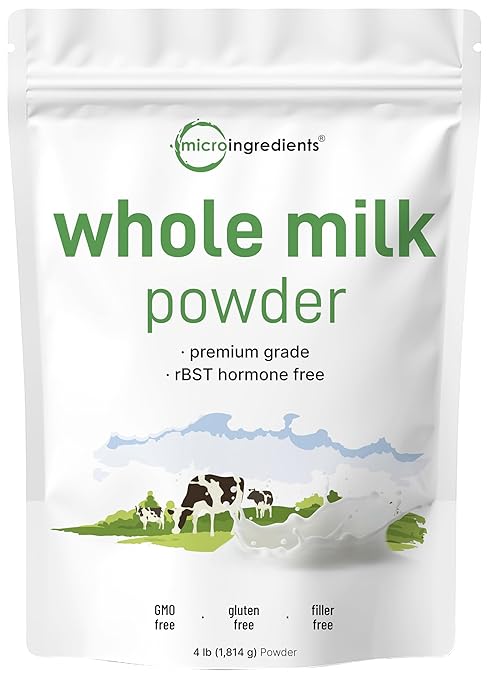
Discover the ultimate ingredient for enhancing your baking recipes with Micro Ingredients Whole Milk Powder. Sourced from pasture-raised cows, this premium milk powder is designed to offer a naturally sweet and creamy flavor, perfect for baking and other culinary adventures. Hormone-free and nutrient-rich, it’s an ideal choice for health-conscious bakers.
This superior whole milk powder from Micro Ingredients is crafted without the use of rBST hormones. Its 4-pound pouch provides 60 servings and is free from soy, gluten, and artificial additives. To reconstitute, simply mix with warm water, creating a luscious milk ideal for baking and beyond, enhancing flavors wonderfully.
Pros
- Pasture-raised, hormone-free milk powder ensures a pure and natural taste.
- Versatile for baking, beverages, and smoothies, offering a rich, creamy texture.
- Long shelf life adds convenience and reduces waste.
Cons
- Initial cost may be higher than regular milk, but offers long-term value.
The Micro Ingredients Whole Milk Powder stands out with its unparalleled quality, making it a valuable addition to any kitchen. Unlike similar products, it offers a hormone-free guarantee and non-GMO certification, ensuring each use is both delicious and health-conscious. An ideal choice for those seeking the best milk for baking.
An ideal choice for those seeking the best milk for baking.
7. Eagle Brand 14oz Sweetened Condensed Milk, Great for Flan, Cooking,

Discover the magic in every can with Eagle Brand Sweetened Condensed Milk. Ideal for baking masterpieces like flan and fudge or crafting indulgent desserts, this rich and creamy staple transforms simple ingredients into lasting traditions. Elevate your culinary creations with unmatched sweetness and trusted quality in every drop.
Elevate your culinary creations with unmatched sweetness and trusted quality in every drop.
Eagle Brand’s 14oz sweetened condensed milk, certified gluten-free and kosher-dairy, offers a timeless flavor profile. Made with 100% real milk from US farms without rBST hormones, it ensures premium quality. An essential for bakers, it seamlessly adds creamy depth to cookies, magic bars, and much more.
Pros
- Made from 100% real milk with no artificial additives
- Versatile use in baking, cooking, and beverages
- Trusted quality with 160+ years of rich experience
Cons
- Contains added sugars, not suitable for sugar-controlled diets
With a wallet-friendly price and enduring legacy of excellence, Eagle Brand Sweetened Condensed Milk is the go-to for anyone seeking the best milk for baking. Compared to similar products, it offers benchmark quality and reliability.
Experience the artistry of crafted desserts with a touch of traditional taste.
8. Z Natural Foods Premium Whole Milk Powder – Powdered Milk

Discover the convenience and richness of Z Natural Foods Premium Whole Milk Powder, ideal for those seeking the best milk for baking. Sourced from Wisconsin cows, this product offers a creamy, genuine dairy flavor in an easy-to-use powdered form, making it a versatile addition to your culinary creations.
Z Natural Foods’ Premium Whole Milk Powder ensures a nourishing delight, perfect for your morning coffee or as a standalone beverage. Its long shelf life and ease of preparation—mix 3 tablespoons with 1 cup of water—make it a pantry staple, especially for those who bake.
Pros
- Rich, creamy flavor from grass-fed Wisconsin cows
- Versatile for baking, smoothies, or as a drink
- Long shelf life, extendable by freezing
Cons
- Slight aftertaste if used alone
Z Natural Foods Premium Whole Milk Powder provides enduring quality and utility. As a non-GMO option with an adaptable flavor profile, it’s a wise investment for both baking and everyday use, distinguishing itself from other milk alternatives in both taste and convenience.
9. Nido Fortificada Dry Whole Milk 1.76 Pound

Experience the best milk for baking and daily nutrition with Nido Fortificada Dry Whole Milk. Perfect for families seeking health and versatility, this dry whole milk delivers essential nutrients and a delightful taste that caters to both children and adults, offering unparalleled convenience and long-lasting freshness.
Designed for optimal nutrition, Nido Fortificada offers calcium, zinc, and vitamins A, C, and iron, ensuring strong bones and a robust immune system. Easily mixed with warm water, it fits seamlessly into various recipes, enhancing beverages and baked goods with its smooth, creamy consistency.
Pros
- Rich in essential vitamins and minerals
- Versatile use in drinks and cooking
- Long shelf life with excellent packaging
Cons
- Packs may be bulky for cramped storage
The superior nutritional profile, flexibility, and long shelf life of Nido Fortificada Dry Whole Milk make it a top choice for health-conscious families. Its ability to enhance both taste and nutrition sets it apart from other milk options, providing immense value and satisfaction in every serving.
10. Swiss Miss Shelf Stable Nonfat Dry Powdered Milk, Hot Cocoa

Discover the culinary versatility and nutritional boost of Swiss Miss Shelf Stable Nonfat Dry Powdered Milk. Perfect for the pantry, this product is a must-have for bakers, coffee lovers, and anyone wanting to enhance their recipes with rich, creamy texture and essential nutrients.
Experience the best milk for baking today!
This premium powdered milk is fortified with Vitamins A & D and serves as an excellent source of calcium and protein. Engineered for easy storage and flexibility, it mixes seamlessly into beverages and recipes, ensuring a delicious outcome every time. Enjoy the convenience and quality of Swiss Miss!
Pros
- Long shelf life makes it ideal for storage and emergency use.
- Fortified with essential vitamins and provides 8g of protein per serving.
- Versatile for various culinary applications including baking, cooking, and as a coffee creamer.
Cons
- May have a shorter shelf life if purchased from the warehouse.
Swiss Miss Shelf Stable Nonfat Dry Powdered Milk promises great value and flexibility at an affordable price. Perfect for those seeking a reliable milk alternative, whether for daily use or emergencies.
Whipping Up Wonders: Your Guide to the Best Milk for Baking Magic
Types of milk for baking
When choosing milk for baking, consider the desired texture and flavor of your baked goods. Whole milk is a popular choice, providing richness and moisture to cakes and pastries due to its higher fat content.
This makes it ideal for recipes where a creamy texture and a full-bodied taste are important. In contrast, skim milk is a suitable option if you’re looking to reduce fat and calories. While it might not impart the same level of richness, it still adds necessary moisture without altering the basic qualities of your baked items.
Plant-based milks like almond, soy, and oat are excellent alternatives for those who are lactose intolerant or prefer a vegan diet. Each plant-based milk brings its own distinct flavor profile: almond milk adds a nutty hint, soy milk offers a neutral base with a protein boost, and oat milk provides a subtle sweetness and creamy texture.
Baking properties and consistency
When selecting an appropriate option for baking, various factors such as moisture content, creaminess, and reaction with baking agents can influence the results. Moisture content is crucial as it affects the texture and fluffiness of baked goods.
A product with higher moisture content can lead to a more tender crumb, essential for cakes and muffins. The creaminess and richness of the choice impacts the depth of flavor and mouthfeel. A richer option can enhance the overall taste and provide a luscious texture to your creations.
Additionally, it’s important to consider how the product reacts with baking agents such as yeast and baking powder. Different types have varying levels of acidity and fat content, which can affect the rising and browning processes. Understanding these elements allows bakers to make informed choices that complement the desired outcome of their recipes, ensuring a harmonious blend of taste and texture.
Understanding these elements allows bakers to make informed choices that complement the desired outcome of their recipes, ensuring a harmonious blend of taste and texture.
Flavor impact
When choosing milk for baking, the sweetness can significantly affect the overall taste of your baked goods. Milk’s natural sugars lend a subtle, balancing sweetness that can enhance other ingredients without overwhelming them.
This natural sweetness also interacts with the flavor notes of your recipe, whether you’re making something rich and chocolatey or light and fruity, helping to create a more cohesive flavor profile. Additionally, the milk’s aroma influence is an often underrated aspect; it can enrich the sensory experience of your baked creations, especially when working with ingredients like vanilla or cinnamon, amplifying their aromas. Therefore, selecting the right milk involves considering how it harmonizes with the other elements of your baking, taking into account both its sweetness and its capacity to enhance and elevate the dish’s overall flavor and aromatic qualities.
By focusing on these aspects, you’ll be able to choose a milk that not only complements but also enriches your baking endeavors.
Nutritional content
When selecting the best milk for baking, understanding various aspects like fat content, protein levels, and added sugars is essential for enhancing the quality of your baked goods. Fat content in milk can significantly affect the richness and moisture of baked items.
For those aiming for a lighter texture, lower-fat options might be more suitable, but be mindful, as they might result in drier outcomes. Protein levels are another critical factor; they can impact the structure and strength of your baked products.
Higher protein content, as found in cow’s milk, can contribute to a firmer structure, which is beneficial for bread and similar baked goods requiring a strong crumb. Conversely, plant-based milks might offer lower protein levels, which could slightly adjust the final texture, though they are a great choice for those with dietary restrictions or preferences.
It’s vital to consider this when your recipe already contains sugar, as additional sweetness might alter the desired result. Considering these components will help you choose the most suitable option for your baking endeavors, ensuring delicious and appealing results each time.
Price and availability
When choosing milk for baking, several factors come into play to ensure the best results for your culinary creations. Consider the cost-effectiveness of the milk you choose. While premium options like organic or specialized milks might boast superior taste or additional nutrients, they may not significantly impact the overall flavor or texture of baked goods compared to more affordable options.
While premium options like organic or specialized milks might boast superior taste or additional nutrients, they may not significantly impact the overall flavor or texture of baked goods compared to more affordable options. Shelf stability is another important aspect to consider, especially if you don’t bake frequently. Long-life milk or other alternatives with extended shelf life could be an efficient choice, allowing you to keep them in your pantry for longer periods without worrying about spoilage.
Additionally, exploring local availability and sourcing might lead to fresher and potentially more eco-friendly options. Supporting local dairies not only contributes to the community but also reduces the carbon footprint associated with long-distance transportation. By balancing these factors, you can select a milk that fits your baking needs while respecting your budget and environmental considerations.
Dietary restrictions and preferences
When selecting the ideal milk for baking, it’s important to consider various options that cater to different dietary restrictions and preferences. For those who are lactose intolerant, lactose-free milk provides a suitable alternative without compromising the outcome of your baked goods.
On the other hand, individuals following a vegan lifestyle might prefer plant-based options such as almond, soy, or oat milk. These vegan alternatives often successfully substitute for conventional milk, although it’s worth noting that they might slightly alter the flavor or texture of your bake due to their unique properties.
If gluten is a concern, rest assured that most milk, including the lactose-free and vegan options, is naturally gluten-free, allowing for worry-free use in gluten-sensitive households. Choosing the right milk ultimately depends on the specific needs and preferences, ensuring everyone can enjoy your delightful creations.
FAQ’s
How Does The Fat Content In Milk Affect The Texture And Moisture Of Baked Goods?
The fat content in milk enhances the texture and moisture of baked goods by providing richness and tenderness, as higher fat content leads to softer, moister results. Conversely, lower-fat milk can result in drier, denser baked goods due to reduced fat and emulsifying properties.
What Are The Differences Between Using Whole Milk And Skim Milk In Baking Recipes?
Whole milk contributes more fat and richness to baked goods, resulting in a moister and more tender texture, while skim milk, having less fat, can lead to drier and denser outcomes if no adjustments are made to the recipe. Additionally, whole milk can enhance the flavor with its creaminess, whereas skim milk provides a lighter taste.
Are There Non-Dairy Milk Alternatives That Perform Well In Baking, And How Do They Compare To Traditional Cow’S Milk?
Yes, non-dairy milk alternatives like almond milk, soy milk, and oat milk can perform well in baking, often providing similar moisture and fat content to traditional cow’s milk. While the flavor and texture might slightly differ depending on the type, most can be substituted at a 1:1 ratio without significant impact on the final baked product.
What Are The Potential Impacts On Flavor And Consistency When Using Plant-Based Milks, Such As Almond Or Soy Milk, In Baking?
Using plant-based milks like almond or soy can alter the flavor, imparting a nutty or bean-like taste, respectively, and may affect the consistency by providing less fat than cow’s milk, potentially resulting in a less rich or moist texture in baked goods. Adjustments in fat content or additional emulsifiers might be necessary to achieve the desired consistency.
Can Evaporated Milk Or Condensed Milk Be Used As Substitutes In Baking Recipes Calling For Regular Milk?
Yes, both evaporated milk and condensed milk can be used as substitutes for regular milk in baking, but it’s important to note that condensed milk is sweetened, so you may need to adjust the sugar content in your recipe accordingly. Evaporated milk, being unsweetened and thicker, can be mixed with an equal amount of water to better replicate the consistency of regular milk.
Conclusion
In the world of baking, choosing the right milk can make a big difference in your final product. Whole milk is often lauded for its ability to create a rich texture and full flavor. For a lighter option, consider skim milk.
Non-dairy alternatives like almond or oat milk are great for those avoiding dairy. Ultimately, the best milk for baking depends on dietary needs and taste preferences.