
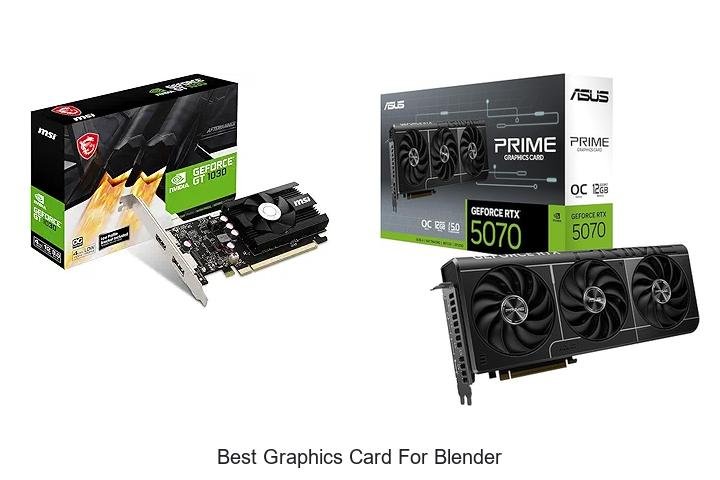
Unleash Your Creativity: Best Graphics Card for Blender
In the realm of 3D modeling and rendering, terms like CUDA cores, VRAM, and ray tracing are not just jargon—they are critical components that can significantly influence the efficiency of creative workflows. Selecting the best graphics card for Blender can dramatically enhance performance, enabling artists to navigate complex scenes with ease and render lifelike images with unprecedented speed. Whether you’re diving into intricate sculpting or executing photorealistic animations, the right GPU becomes an indispensable ally in realizing your artistic vision.
But amidst the plethora of options available, how does one determine which graphics card stands out in terms of compatibility, performance, and future-proofing? Delve deeper into our exploration to uncover the optimal choice for elevating your Blender projects to new heights.
Unlock Your Creativity with These Top Graphics Cards for Blender Enthusiasts
| Image | Product | Price |
|---|---|---|
Pick 1  | msi Gaming GeForce GT 1030 4GB DDR4 64-bit HDCP Support | Check Price On Amazon |
Pick 2  | ASUS The SFF-Ready Prime GeForce RTX™ 5070 OC Edition 12GB | Check Price On Amazon |
Pick 3 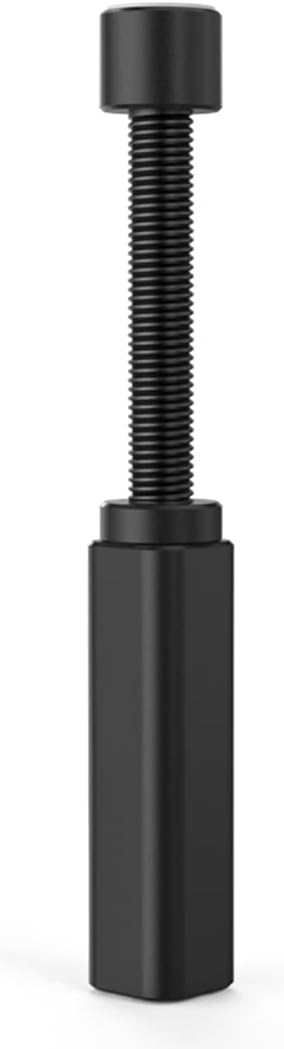 | Graphics Card GPU Brace Support, Video Card Sag Holder Bracket, | Check Price On Amazon |
1. msi Gaming GeForce GT 1030 4GB DDR4 64-bit HDCP Support
Transform your creative workspace with the MSI Gaming GeForce GT 1030 4GB DDR4 graphics card. Known as the best graphics card for Blender enthusiasts, this versatile upgrade delivers impressive performance for those seeking smooth graphic rendering and efficient multitasking capabilities in a compact, budget-friendly package.
Equipped with the NVIDIA GeForce GT 1030 chipset, this GPU features a 64-bit memory interface and a 1430 MHz boost clock, ensuring optimal performance for complex modeling tasks. With 4GB of DDR4 video memory, high-resolution outputs via DisplayPort and HDMI
0b, achieve vibrant visuals and seamless operation.
Pros
- Offers excellent performance in a cost-effective upgrade.
- Resolves onboard video port issues effectively.
- Compact design suitable for small form factor builds.
Cons
- May not support ultra-demanding graphical tasks.
In conclusion, the MSI Gaming GeForce GT 1030 4GB DDR4 stands out as an affordable yet robust choice for creatives and gamers looking to enhance their system’s graphics capabilities. While it may not match high-end models, its performance at this price-point makes it a smart investment. Upgrade your machine today and experience the difference!
Upgrade your machine today and experience the difference!
2. ASUS The SFF-Ready Prime GeForce RTX™ 5070 OC Edition 12GB
The ASUS SFF-Ready Prime GeForce RTX™ 5070 OC Edition 12GB is a powerhouse, perfect for creative professionals and gamers alike. Optimized for small-form-factor builds, it offers high performance, quiet operation, and efficient cooling, making it a top choice for those seeking to elevate their Blender experience with advanced graphics capabilities.
With its NVIDIA Blackwell architecture and 12GB GDDR7, this graphics card delivers exceptional performance and smooth gameplay. The axial-tech fans, dual-ball bearings, and phase-change GPU thermal pad ensure efficient cooling, even in compact cases.
0 support, this card powers through demanding tasks while keeping noise and temperatures in check.
Pros
- Compact and compatible with SFF builds
- Outstanding cooling with advanced fan technology
- Quiet performance with dual BIOS options
Cons
- Premium price point
The ASUS SFF-Ready Prime RTX 5070 OC Edition stands out among its competitors for those prioritizing compact build compatibility and superior cooling. While it carries a higher price tag, the investment is justified by its reliability and cutting-edge features, particularly for Blender users and modern gaming builds.
3. Graphics Card GPU Brace Support, Video Card Sag Holder Bracket,
In the quest for the best graphics card for Blender, ensuring your GPU is securely supported is crucial. Enter the Graphics Card GPU Brace Support, which offers a robust, elegant solution to prevent video card sagging, enhancing performance and longevity of your GPU with minimal effort.
This all-aluminum graphics card holder is designed with precision. Thanks to its adjustable screw design and hidden magnet base, it offers easy installation and stable support. Coupled with an anti-scratch pad and a high-gloss finish, this brace ensures your GPU remains in peak condition.
Coupled with an anti-scratch pad and a high-gloss finish, this brace ensures your GPU remains in peak condition.
Pros
- Durable all-aluminum construction for long-term usage
- Sleek design with hidden magnet for effortless setup
- Tool-free adjustment for easy configuration
Cons
- Limited color options
Offering simplicity, durability, and affordability, this brace is an indispensable accessory for any graphic card enthusiast, ensuring your hardware investment remains protected. Compared to other holders, this product is a standout in terms of quality and design, making it a top choice for maintaining GPU integrity.
4. GIGABYTE GeForce RTX 5080 Gaming OC 16G Graphics Card, WINDFORCE

Discover the unmatched power of the GIGABYTE GeForce RTX 5080 Gaming OC 16G Graphics Card, the ultimate choice for creative professionals seeking the best graphics card for Blender. Experience unrivaled graphic performance and cooling efficiency, perfect for heavy-duty rendering and gaming.
Powered by NVIDIA’s Blackwell architecture, the RTX 5080 comes integrated with 16GB GDDR7 memory and a 256-bit interface to deliver unparalleled speed and performance. The WINDFORCE cooling system ensures optimal thermal management, keeping your system running smoothly, even under extensive usage.
Pros
- Exceptional cooling efficiency with WINDFORCE system
- Superior performance driven by NVIDIA’s Blackwell architecture
- High memory capacity with 16GB GDDR7 for intense workloads
Cons
- Large size may require ample space in the computer case
Though premium-priced, the GIGABYTE GeForce RTX 5080 more than compensates with its excellent build quality and powerful capabilities, ensuring it stands out among its peers. As compared to similar products, it offers superior cooling and higher performance, making your investment truly worthwhile.
5. GIGABYTE GeForce RTX 5060 OC Low Profile 8G Graphics Card,
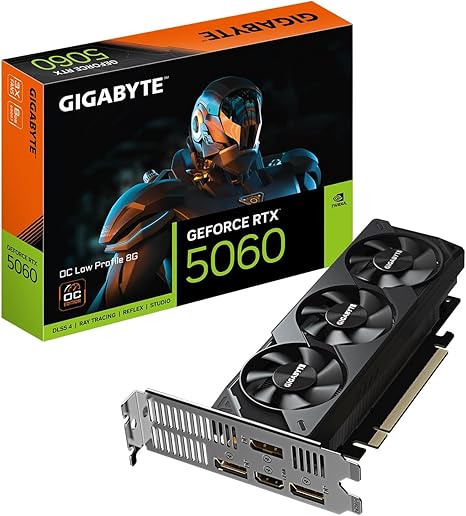
The GIGABYTE GeForce RTX 5060 OC Low Profile 8G Graphics Card stands out as a superior choice for those seeking cutting-edge performance and efficiency in 3D rendering environments like Blender. With its compact design and powerful NVIDIA Blackwell architecture, this graphics card ensures remarkable visuals and smooth operation for creative professionals and gamers alike.
Offering 8GB of GDDR7 memory and a 128-bit interface, the GIGABYTE RTX 5060 enhances your workflow with exceptional speed and detail. Supporting PCIe
0 and up to four displays, it delivers impressive resolution and vivid imagery at 7680×4320 pixels, making it ideal for multitasking and high-resolution projects.
Pros
- Powered by NVIDIA Blackwell architecture for peak performance
- Supports DLSS 4 for superior picture quality and high FPS
- Compact design ideal for smaller builds, featuring a triple-fan setup
Cons
- Limited to 8GB VRAM, which may impact future high-end demands
Overall, the GIGABYTE GeForce RTX 5060 OC delivers exceptional value for its price of $ Its advanced capabilities and compact form factor offer significant advantages for anyone looking to build a budget-friendly yet powerful setup, making it an excellent contender among the best graphics cards for Blender enthusiasts.
6. MOUGOL AMD Radeon R7 350 Graphics Card with 4G 128Bit

Discover why the MOUGOL AMD Radeon R7 350 Graphics Card is considered the best graphics card for Blender projects and beyond. With its efficient multitasking capability and compatibility for modern applications, this card offers an exceptional balance of performance and affordability, making it an ideal choice for everyday computing needs.
Equipped with 4GB GDDR3 memory, the R7 350 excels in handling HD video playback and casual gaming with ease. Its 128-bit memory interface supports multi-monitor setups, catering perfectly to office productivity. Add to this, seamless DirectX 12 and OpenGL
Add to this, seamless DirectX 12 and OpenGL 6 support, ensuring smooth operation across various applications and tasks.
Pros
- Smooth multitasking with 4GB GDDR3 memory
- Supports multiple monitors with a 128-bit interface
- Modern API support for enhanced software compatibility
Cons
- Basic for high-end gaming demands
For those seeking a reliable upgrade for their systems without breaking the bank, the MOUGOL AMD Radeon R7 350 Graphics Card offers undeniable value. While it may not target extreme gaming, it’s unparalleled in its class for general computing, office work, and creative tasks involving applications like Blender.
7. GIGABYTE GeForce RTX 5060 WINDFORCE OC 8G Graphics Card, Cooling

Discover the power of the GIGABYTE GeForce RTX 5060 WINDFORCE OC 8G Graphics Card. Perfect for creators using Blender, this cutting-edge GPU delivers breathtaking visuals and unrivaled processing efficiency at an attractive price point.
Integrated with a speedy 8GB GDDR7 memory and NVIDIA’s advanced Blackwell architecture, this card offers smooth performance and stunning 4K displays. Featuring a robust WINDFORCE cooling system, it ensures optimal temperatures even during intense gaming or rendering sessions.
Pros
- Exceptional performance with DLSS 4 for high FPS and image quality.
- Compact design with efficient WINDFORCE triple-fan cooling.
- Cost-effective solution for budget builds seeking quality results.
Cons
- Limited to 8GB of VRAM, which might be restrictive for ultra-high resolution tasks.
In conclusion, the GIGABYTE GeForce RTX 5060 is an excellent choice for those seeking the best graphics card for Blender at an affordable price. Its balance of performance and efficiency makes it a formidable competitor in its class, ensuring you receive excellent value.
8. QTHREE GeForce GT 730 4GB Graphics Card,2X HDMI, DP,VGA,DDR3,64 Bit,Low

Step into the world of seamless graphics and performance with the QTHREE GeForce GT 730 4GB Graphics Card, the ideal choice for hobbyists and professionals seeking the best graphics card for Blender and other 3D applications. Enhance your visual workspace without burning a hole in your pocket.
Built on NVIDIA’s Kepler architecture, this GPU features 1000 MHz Memory Clock and 4GB DDR3, allowing you to manage multiple monitors effectively with its four output options: 2x HDMI, VGA, and DP. Whether for HD video playback or multi-monitor productivity, it ensures maximum efficiency with minimal space usage.
Pros
- Supports up to four monitors simultaneously
- Low-profile design for space-saving installation
- Automatically installs new drivers with Win 11 and DirectX 12 support
Cons
- Requires a minimum 300 Watt power supply
Combining affordability with robust performance, the QTHREE GeForce GT 730 is an excellent choice for users seeking an entry-level solution for graphics-intensive tasks. Compared to competitors in its class, it stands out for its multi-monitor support and ease of installation, making it a worthwhile investment.
9. QTHREE GeForce GT 210 Graphics Card,1024 MB DDR3 64 Bit,HDMI,VGA,Low

The QTHREE GeForce GT 210 Graphics Card offers an affordable solution for those keen on enhancing their computing experience. Whether you’re into video editing or simply upgrading an older system, this graphics card stands out as one of the best options for basic graphics enhancement without breaking the bank.
With a core clock of 589MHz and DDR3 memory, experience smooth performance ideal for working, video, and photo editing tasks. Its low profile is perfect for small form factor PCs, and the inclusion of HDMI and VGA outputs allows for dual monitor support, broadening your visual possibilities.
Pros
- Compact design perfect for small PCs and slim/ITX chassis.
- Affordable price point for entry-level graphics upgrades.
- Simple plug-and-play installation without needing external power.
Cons
- Not compatible with Windows 11.
For those interested in basic upgrades and enhancing older systems, the QTHREE GeForce GT 210 Graphics Card is a compelling choice. Compared to higher-end models, it offers substantial value in its performance and versatility for non-gaming applications.
10. RX 580 Graphics Card 8GB 2048SP GDDR5 256 Bit PC

Upgrade your PC gaming experience with the RX 580 Graphics Card 8GB, the best graphics card for Blender and other demanding applications. Its powerful architecture is designed to deliver superior performance in both gaming and creative projects, ensuring smooth, high-frame-rate visuals that truly bring your digital endeavors to life.
With 2048 stream processors and 8GB of GDDR5 memory, the RX 580 can tackle the latest AAA games effortlessly. Support for multiple displays and advanced cooling technology enhances productivity and performance, making this GPU an ideal choice for gamers and digital creatives seeking quality and reliability.
Pros
- Exceptional gaming performance with smooth and immersive visuals.
- Supports multiple display setups for enhanced productivity.
- Advanced cooling technology for quieter operation and durability.
Cons
- May not match the performance of the latest high-end GPUs for ultra settings.
Overall, the RX 580 Graphics Card 8GB offers excellent value at a competitive price point, making it a top choice for those looking to revive their systems or enhance gaming and graphics performance without breaking the bank. Compared to its predecessor, the GTX 1050 TI, it provides substantial improvements in game quality and smoothness.
Unleash Your Creativity: Top Graphics Cards to Elevate Your Blender Experience
Compatibility
When searching for the ideal graphics card for enhancing your Blender projects, understanding the different aspects of compatibility is essential. Start by ensuring that the graphics card aligns with your computer’s motherboard and power supply requirements, as an inadequate power supply may lead to performance issues or could prevent the card from functioning altogether.
To truly maximize your Blender experience, consider the graphics card’s compatibility with various Blender versions. Some cards may only offer optimal performance with certain updates or iterations, so verify whether the card you are interested in supports the latest Blender version or the particular version you currently use.
By balancing these factors, you’ll ensure that your new graphics card integrates seamlessly with both your hardware and your creative software needs, allowing for a smooth and efficient creative process.
Brand and pricing
When choosing the ideal graphics card for Blender, several factors come into play to ensure optimal performance for rendering and modeling tasks. Top recommended brands tend to feature prominently due to their reliable performance and support for the software.
It’s important to consider long-term value and resale considerations as well. Higher-end models may have a greater initial cost but often hold their value better over time and offer extended utility as future projects demand more resources.
Balancing immediate needs with potential long-term benefits can guide you in making the right investment for your workflow with Blender.
Performance requirements
For those venturing into 3D modeling and rendering with Blender, choosing the right graphics card can make a significant difference in both workflow efficiency and project outcomes. Understanding how a GPU can enhance performance compared to relying solely on a CPU is crucial. While a CPU is capable of handling rendering tasks, a dedicated GPU significantly speeds up the process, especially crucial for tasks like real-time rendering and providing a smoother viewport experience.
VRAM capacity is another critical factor; having ample VRAM allows Blender to handle larger and more complex projects without slowing down, enabling the smooth manipulation of high-resolution textures and use of large-scale scenes. The right graphics card will not only facilitate faster renders but also improve overall interactivity and responsiveness, transforming how efficiently one can work with intricate models and animations.
Therefore, evaluating both the rendering speed and the VRAM capabilities of potential cards is essential, ensuring they align with the scope and demands of your Blender projects.
Futureproofing
When selecting a graphics card optimized for graphics-intensive applications like Blender, it is crucial to keep an eye on how your choice can keep pace with evolving technology. A key consideration for futureproofing is ensuring strong support for upcoming Blender updates. This might mean looking for GPUs from manufacturers renowned for regular driver updates and robust support for software advancements.
Such cards are better equipped to handle new Blender features that may enhance rendering performance or introduce new tools. Meanwhile, expandability and multi-GPU support are important for those seeking to boost computational power over time.
If your work tends to grow in complexity, these features can be invaluable, allowing you to add or upgrade GPUs as needed without completely overhauling your system. Paying attention to the trends in the tech world is also a wise move; advancements like increased VRAM, enhanced ray tracing capabilities, or cutting-edge architecture should guide your purchase. Ensuring that your graphics card aligns with these elements will help maintain its relevance and ease future transitions, allowing you to integrate new technologies efficiently as they become available.
User reviews and ratings
Finding the right graphics card for Blender can significantly enhance your 3D modeling and rendering experience. When considering this investment, it’s essential to look at expert reviews and benchmarks which often highlight the performance improvements that different cards offer.
Many users appreciate graphics cards that ensure smooth real-time rendering and shorter render times, translating into a more efficient workflow. It’s also beneficial to consider user feedback and common issues, as they offer firsthand accounts of the experiences of others, revealing both the strengths and potential drawbacks of specific models.
Consistency in performance is key, and this ties into reliability and customer service experiences. Reliable graphics cards often have robust warranties and are backed by responsive customer support, which can be crucial if you encounter issues during use.
FAQ’s
How Do Nvidia And Amd Graphics Cards Compare When Used With Blender?
NVIDIA graphics cards generally offer better performance with Blender due to their optimized CUDA cores and broader support for GPU-accelerated rendering features. However, AMD cards have made significant advancements with the introduction of technologies like Radeon ProRender, making them a competitive choice, particularly for users preferring open-source solutions.
Are There Budget-Friendly Graphics Card Options That Still Perform Well In Blender?
Yes, budget-friendly graphics card options like the NVIDIA GTX 1660 or the AMD Radeon RX 580 provide solid performance in Blender for most tasks. These cards offer good value for money, especially for beginners or those working on less demanding projects.
How Does Vram Impact Blender’S Performance, And What Amount Is Recommended For Complex Projects?
VRAM significantly impacts Blender’s performance by determining how much texture and high-resolution data the GPU can handle efficiently, particularly in rendering and real-time viewport previews. For complex projects, it is recommended to have at least 8GB of VRAM to ensure smooth performance and avoid bottlenecks.
What Is The Best Graphics Card For Optimal Performance In Blender For Rendering And Modeling?
The NVIDIA GeForce RTX 4090 is currently considered one of the best graphics cards for optimal performance in Blender, offering exceptional rendering and modeling capabilities. Its advanced features, such as ray tracing and AI-driven enhancements, provide significant speed and quality improvements for 3D workflows.
What Features Should I Look For In A Graphics Card To Enhance My Productivity In Blender?
To enhance productivity in Blender, look for a graphics card with a high number of CUDA cores (NVIDIA) or Stream Processors (AMD), ample VRAM (8GB or more), and support for GPU rendering technologies like CUDA, OptiX, or OpenCL. Additionally, ensure it has strong performance benchmarks in 3D rendering and robust driver support for stability and compatibility with Blender.
Conclusion
In summary, the NVIDIA GeForce RTX 4090 stands out as the best graphics card for Blender due to its exceptional performance and support for real-time ray tracing. With its powerful CUDA cores and substantial VRAM, it handles complex 3D scenes and high-resolution rendering with ease, offering Blender users an unparalleled experience in both speed and visual quality.