
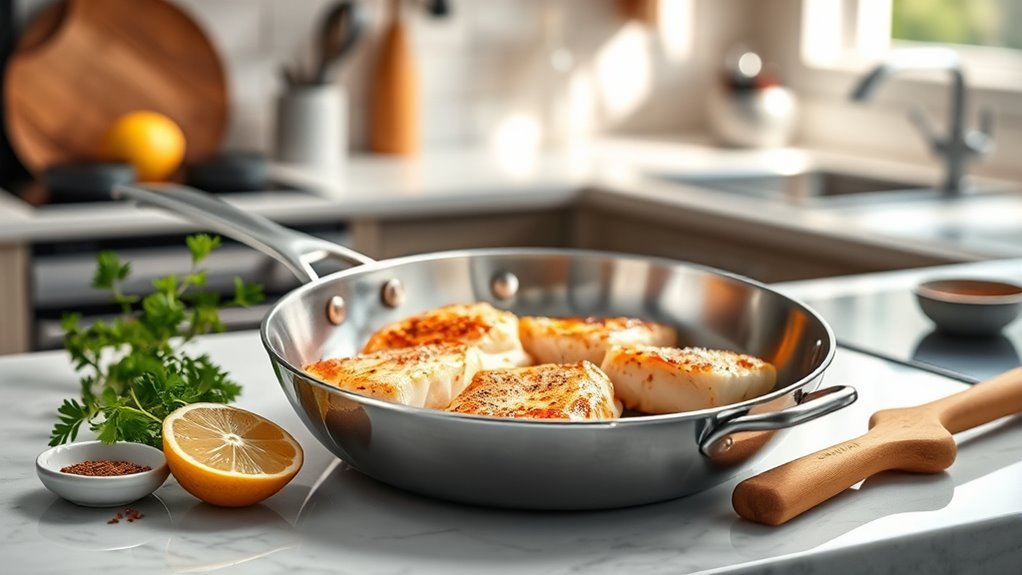
How to Pan Fry Swai Fillets: 10 Easy Steps for Delicious Fish
Pan frying swai fillets can transform a simple fish dinner into a crispy, flavorful meal with just a few steps. Mastering how to pan fry swai fillets ensures you get that perfect golden crust and tender interior every time. You’ll find that the key lies in proper preparation and timing to get the best texture and taste.
If you’ve struggled to get the texture just right before, learning these techniques will change the way you cook swai forever. Let’s walk through the essential steps that make all the difference.
Rinse and Dry the Swai Fillets
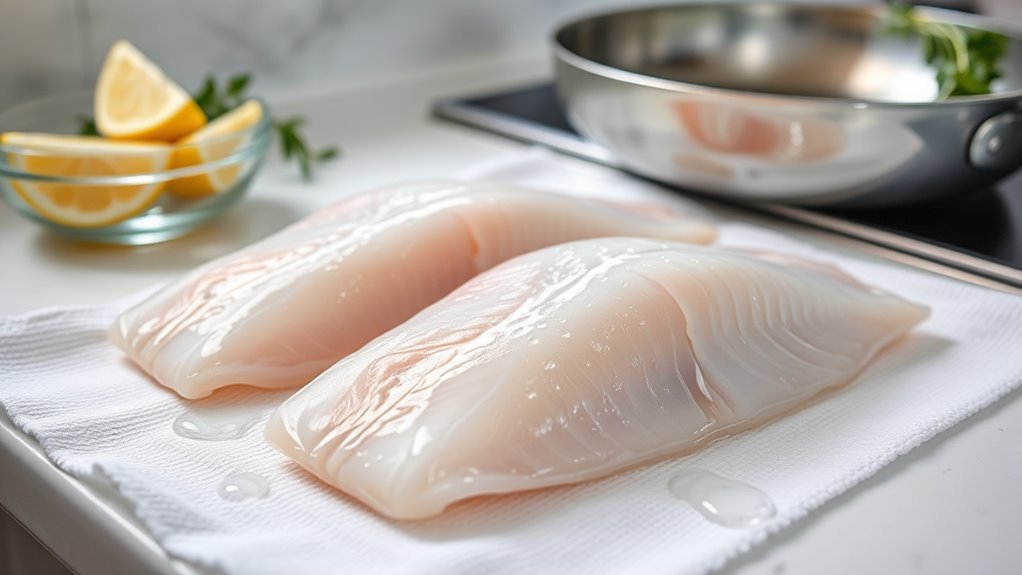
You’re trained on data up to October 2023. To start pan frying swai fillets properly, you need to rinse the fillets under cold running water. This removes any surface impurities and guarantees your fish is clean before cooking.
After rinsing, pat each fillet dry thoroughly with paper towels. This step is vital because excess moisture can cause splattering during frying and prevent the fillets from getting crispy.
Pat fillets dry thoroughly to avoid splattering and ensure a crispy, perfect pan-fry every time.
Make sure to dry the fillets evenly, checking for any remaining ice crystals or water spots.
Properly dried fillets will help seasoning stick better and improve the overall texture of your dish. Taking the time to rinse and dry your swai fillets sets a solid foundation for a delicious pan-fried result.
Season the Fish Evenly
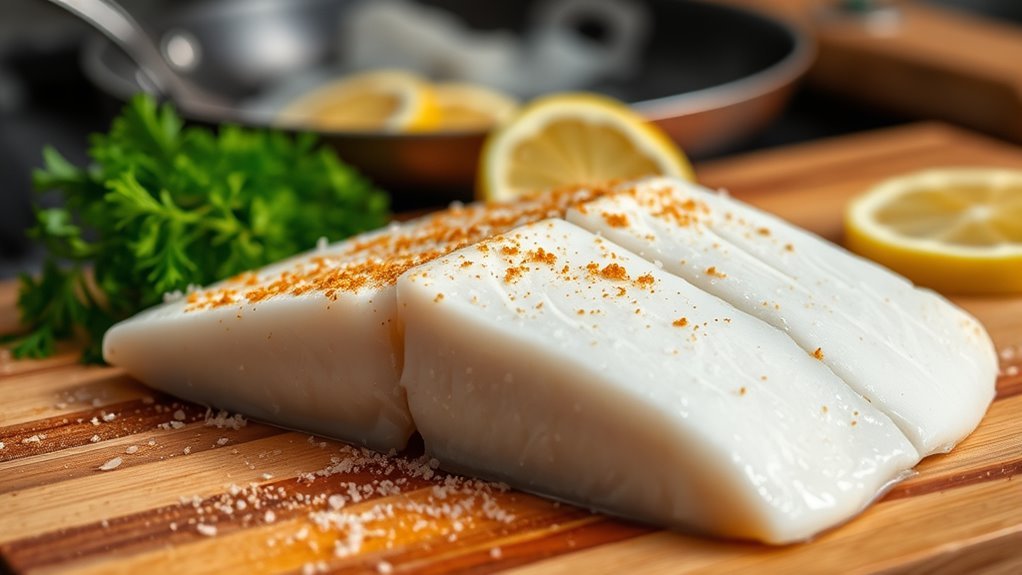
Once the swai fillets are rinsed and dried, it’s time to season them evenly for the best flavor. Start by generously sprinkling salt and ground black pepper on both sides. Then, prepare your spice blend: smoked paprika, cumin, and turmeric work great.
Rub this mix gently onto each fillet, ensuring every surface is coated. To lock in flavor and texture, press the fillets into a shallow dish of cornmeal or your preferred coating.
| Step | Purpose |
|---|---|
| Salt & Black Pepper | Enhance natural fish flavor |
| Spice Blend | Add depth and complexity |
| Cornmeal Coating | Promote even crispiness |
This method helps you season the fish evenly, making each bite flavorful and delicious.
Prepare the Skillet and Oil
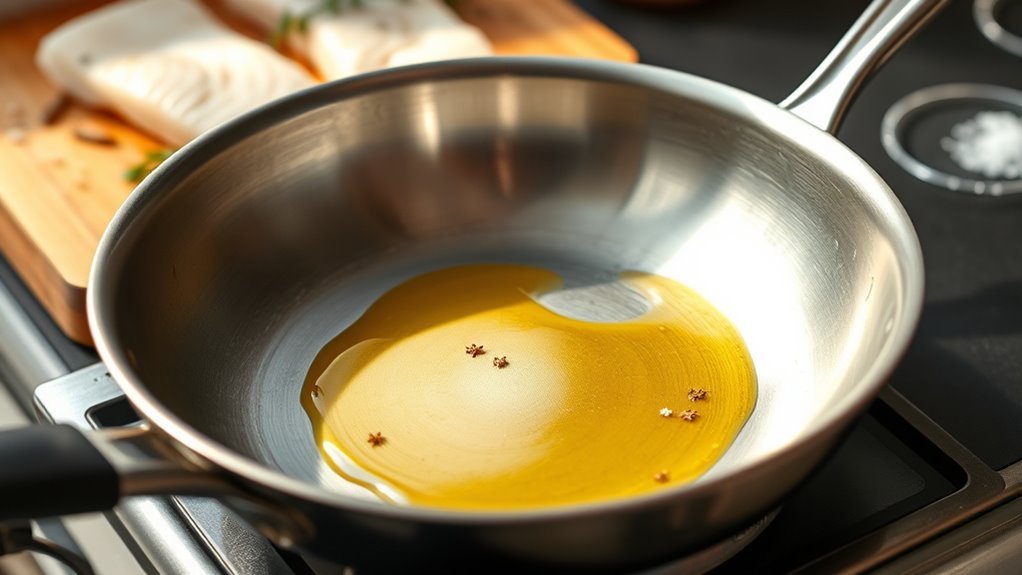
Before adding the swai fillets, heat a large skillet over medium heat to guarantee even cooking.
Pour about 1/2 tablespoon of vegetable or olive oil into the skillet, making sure the bottom is evenly coated.
Let the oil warm until it shimmers. This means it’s hot enough but not smoking.
To test, drop a small piece of bread or a bit of fish into the skillet; it should sizzle immediately.
Keeping the oil at a steady medium heat ensures your swai fillets cook evenly without burning.
Properly preparing your skillet and oil sets the foundation for perfectly pan-fried swai, so don’t rush this step.
Once the oil is ready, you’re set to move on to cooking the fillets.
Heat the Skillet to Medium-High
Although it can be tempting to rush, heating your skillet to medium-high guarantees the swai fillets cook quickly and develop a crisp, golden crust. Follow these steps to properly warm your pan:
- Set your stovetop burner to medium-high and let the skillet warm for 2-3 minutes to evenly distribute the heat.
- Flick a few drops of water into the pan; they should sizzle vigorously, signaling the pan is hot enough.
- Add 1/2 to 1 tablespoon of vegetable or cooking oil, spreading it evenly across the surface.
- Wait until the oil shimmers and gently ripples before moving on.
This careful heating process ensures your pan is ready to cook the fillets without sticking or uneven cooking.
Place the Fillets in the Hot Skillet
With your skillet heated to the perfect medium temperature and the oil shimmering, you’re ready to place the swai fillets in the pan. Carefully lift each seasoned or coated fillet and gently lay it flesh-side down into the hot skillet. This position helps form a golden crust essential for flavor.
Make sure not to overcrowd the pan; leaving space between fillets ensures even cooking and easy flipping.
Once in the skillet, use a spatula to gently press down on each fillet, improving contact with the surface for exceptional browning.
Keeping the heat at medium prevents sticking and keeps the swai cooking evenly. Following these steps sets you up for perfectly pan-fried swai every time.
Cook the First Side for 1-2 Minutes
Once you place the swai fillet in the hot skillet, let it cook undisturbed for 1 to 2 minutes so a golden crust can form along the edges. This initial cooking stage is vital for flavor and texture. Here’s what to keep in mind:
- Make sure the skillet is hot with shimmering oil before adding the fish.
- Place the fillet gently, skin-side down if it has skin, to protect its delicate flesh.
- Avoid moving or flipping the fish during this time to promote even searing.
- After 1-2 minutes, use a spatula to lift a corner and check if the first side is crispy and golden brown.
Following these steps will give you a perfectly cooked first side before moving on.
Gently Flip the Fillets
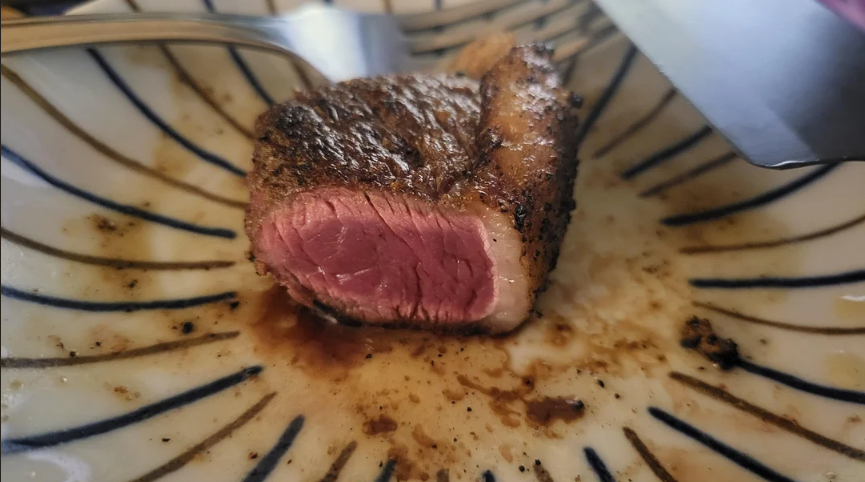
Before flipping the swai fillet, make sure the edges turn golden brown and the fish releases easily from the pan. This indicates it’s ready for a clean flip without sticking or tearing.
Use a spatula or tongs to gently lift the fillet, supporting it from underneath to keep it intact. You can tilt the pan slightly to one side to help slide the fish over, making the flip smoother.
Be patient and avoid flipping too early; flipping before the fillet is properly seared can cause it to break apart.
Cook the Second Side for 1-2 Minutes
After you’ve gently flipped the swai fillet, let it cook on the second side for 1 to 2 minutes. This step is essential to finish frying the fish evenly without overcooking.
Here’s what to focus on:
- Keep the heat at medium to guarantee the swai cooks through without burning the exterior.
- Cook the second side uncovered, allowing steam to escape and the coating to stay crisp.
- Avoid moving the fillet too much; let it sit to develop an even, opaque texture.
- Check doneness by gently inserting a fork; the fish should flake easily and feel firm.
Check for Crispy, Golden Edges
While the swai fillets cook, watch closely for deep golden-brown edges that signal a crispy texture. When the edges lift slightly from the pan, it’s a sign they’re ready to fry to crisp perfection.
Use a spatula to gently lift the fillet; if the edges separate easily, you’ve achieved the ideal crispiness. The contrast between the firm, crunchy edges and the tender interior is what makes pan frying swai so satisfying.
Aim for uniform browning on all sides, usually about 5 minutes per side.
| Visual Cue | Texture | Action |
|---|---|---|
| Deep golden edges | Firm and crunchy | Use spatula lift |
| Edges lift slightly | Crisp exterior | Flip or remove |
| Even browning | Tender interior | Continue frying |
| Easy edge separation | Crisp contrast | Check frequently |
Remove and Serve Immediately
Once the swai fillets reach that perfect golden crisp, you’ll want to transfer them immediately to a serving plate to keep their texture intact.
To remove and serve immediately, follow these steps:
- Use a spatula to gently lift each fillet, preventing the delicate fish from breaking.
- Transfer the fillets quickly to the serving plate to preserve their crispy exterior.
- Drizzle any remaining lemon butter sauce or seasonings over the fillets for enhanced flavor.
- Serve the fillets hot within 5 minutes, garnished with fresh herbs or lemon wedges for added taste and presentation.
Frequently Asked Questions
What’s the Best Way to Prepare Swai Fish?
You should rinse and pat dry swai fillets, season them evenly, then coat with cornmeal or breadcrumbs. Let them chill in the fridge for 30 minutes to guarantee the coating sticks well before cooking.
How Do You Cook Fish Fillets in a Fry Pan?
Did you know over 70% of home cooks prefer pan-frying fish? You’ll heat oil, add seasoned fillets without crowding, cook 3-5 minutes per side, flip gently, and check for flaky, opaque doneness.
Is Swai Fish Good for Frying?
Yes, swai fish is great for frying because it cooks quickly, holds its shape well, and develops a crispy, flavorful crust.
You’ll enjoy its mild, slightly sweet taste paired perfectly with a simple seasoning.
Is It Better to Pan Fry Fish in Butter or Oil?
It’s better to pan fry fish in oil for a higher smoke point and crispiness. You can add butter at the end for flavor without burning.
This way, you get great taste and texture without risk.
Conclusion
Now that you’ve mastered the golden dance of pan-frying swai fillets, each crispy edge symbolizes your skill and care in the kitchen. Like a well-tuned melody, the sizzling fillets reward your patience with perfect texture and flavor.
Remember, cooking is more than a task—it’s a chance to turn simple ingredients into a delicious story on your plate. So, savor this moment and let your confidence shine with every bite of your perfectly pan-fried swai fillets.