Is Pan De Bono Gluten Free? What You Need to Know
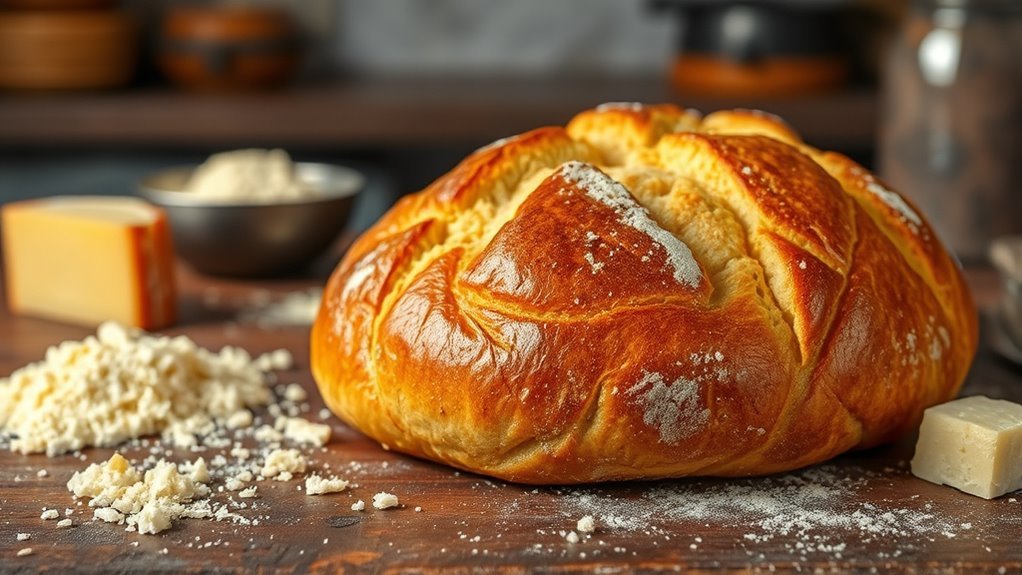
If you’ve ever tried pan de bono at a Colombian bakery, you might have wondered, “Is pan de bono gluten free?” Since it’s made with ingredients like cheese and certain starches instead of wheat flour, it often is gluten-free.
However, there are details about its preparation and ingredient sourcing that could affect that status. Before you decide to indulge, it’s worth understanding what really goes into this popular treat.
What Makes Pan De Bono Naturally Gluten Free

What exactly makes Pan de Bono naturally gluten free? It’s all about the traditional ingredients. Pan de bono uses masa harina, a treated corn flour, and tapioca starch, both gluten-free. This means you won’t find any wheat or rye flours in this Colombian recipe.
These choices help Pan de Bono maintain its authentic flavor and texture without gluten. Plus, the cheese and eggs added are naturally gluten-free, reinforcing its status as safe gluten free bread.
When prepared with certified gluten-free ingredients and careful kitchen practices, Pan de Bono avoids gluten cross-contamination. This makes it a reliable option for those avoiding gluten.
Key Ingredients in Traditional Pan De Bono

Which ingredients give traditional Pan de Bono its distinctive gluten-free character? The answer lies in its core components: tapioca starch and corn flour, specifically masa harina.
Tapioca starch, derived from cassava, and masa harina, treated with lime, are naturally gluten free and essential for that traditional Colombian flavor.
Cheese and eggs add richness and texture without introducing gluten.
However, to guarantee your Pan de Bono stays truly gluten free, you need to source all ingredients, including cheese and flour, from suppliers with gluten-free certification. This step prevents cross-contamination and keeps the bread safe for those with gluten sensitivities.
How Pan De Bono Dough Is Prepared and Baked
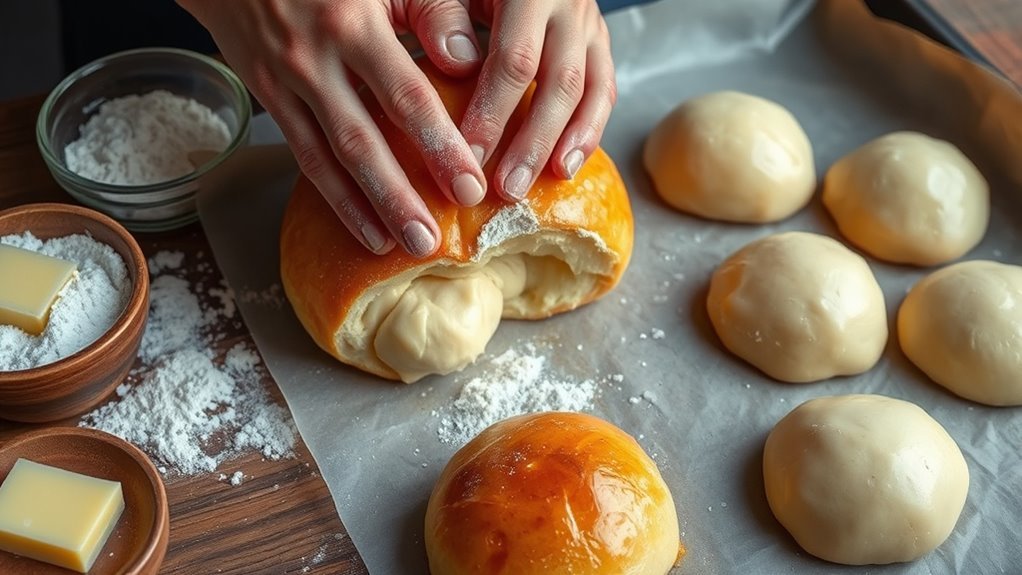
Although it might seem simple, preparing Pan de Bono dough requires careful steps to achieve the perfect texture. You start by pulsing cheese into crumbles in a food processor, then add tapioca flour and cassava starch, both naturally gluten free, to the dry ingredients.
As the processor runs, stream in eggs to form a tacky dough ball. If sticky, chill it to handle better. Shape the dough into small rounds spaced on a baking sheet.
Key aspects of dough preparation and baking include:
- Using a food processor for even mixing
- Incorporating gluten-free tapioca flour and cassava starch
- Baking at 375°F for 10 minutes, then brushing with butter
- Baking an additional 8–10 minutes until golden and puffed
This process yields authentic pan de bono, a delicious gluten-free bread.
Ingredient Substitutions for Dietary Needs
When adapting pan de bono for specific dietary needs, choosing the right ingredient substitutions is essential to maintain its gluten-free integrity. You should use certified gluten-free flours like masa harina and tapioca starch to avoid gluten contamination.
Avoid wheat flour or regular cornmeal, as these contain gluten and will alter the bread’s status. Always check processed ingredients like cheese and baking powder for gluten-free labels.
| Ingredient | Gluten-Free Substitution | Notes |
|---|---|---|
| Masa Harina | Certified gluten-free masa harina | Avoid regular masa harina |
| Tapioca Starch | Certified tapioca starch | Prevent cross-contamination |
| Wheat Flour | Gluten-free flour blends | Use only certified options |
These substitutions ensure your pan de bono stays safe for gluten-sensitive diets.
Common Questions About Pan De Bono’s Gluten-Free Status
How can you be sure that Pan de Bono is truly gluten-free? Since it’s made with tapioca starch and corn flour, traditional recipes naturally avoid gluten. However, to safely include Pan de Bono in your gluten-free diet, you need to contemplate some common concerns:
- Confirm all ingredients, like cheese and eggs, have gluten-free certification to avoid hidden gluten.
- Understand that cross-contact can happen if equipment or other ingredients contain gluten.
- Recognize that Pan de Bono suits those with gluten sensitivity or celiac disease only when made with gluten-free ingredients.
- Verify that no wheat flour or gluten-containing leavening agents are used in the recipe.
Tips for Enjoying and Storing Pan De Bono
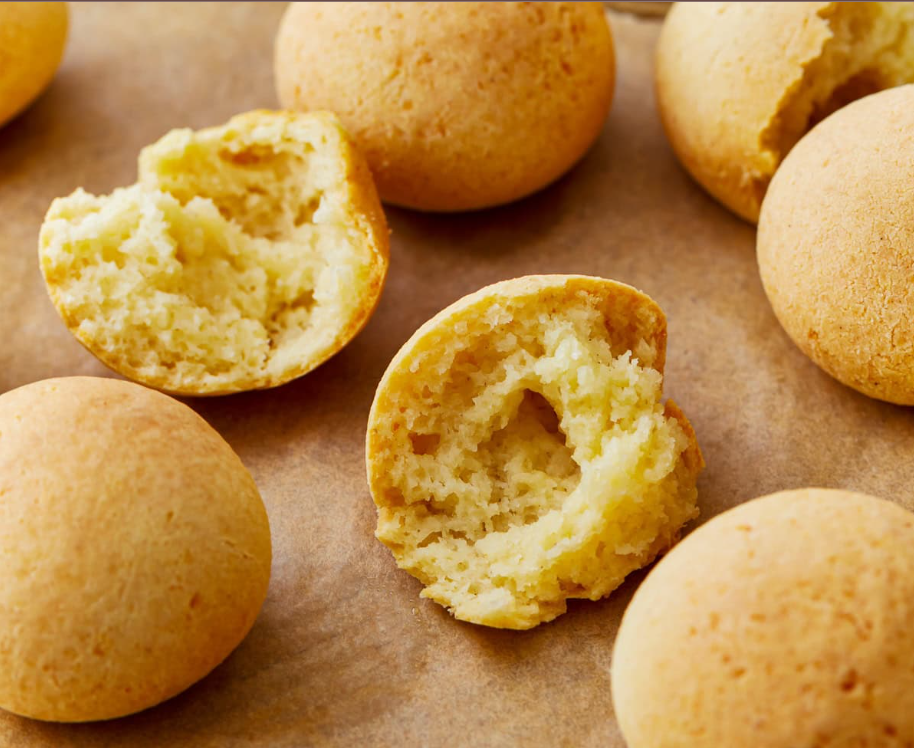
Since Pan de Bono tastes best fresh and warm, you’ll want to enjoy it soon after baking to savor its perfect texture and flavor. Made with gluten free ingredients, it maintains its unique softness and slight crispness when eaten fresh.
To store Pan de Bono and maintain its freshness, place it in an airtight container at room temperature for up to 2 days. If you need to extend its shelf life, freezing is the best way. Seal it in an airtight bag and reheat before serving.
When reheating, pop it in a 350°F oven for 5-10 minutes to restore warmth and crispness, or use the microwave briefly. Following these storage tips helps you enjoy Pan de Bono’s texture and flavor anytime.
Frequently Asked Questions
What Is Pan De Bono Made Of?
Pan de bono is made of masa harina corn flour, tapioca starch, cheese, eggs, and sometimes a bit of sugar.
You’ll enjoy its chewy texture and cheesy flavor, all coming together in this delicious Colombian bread.
What Is the Difference Between Pan De Bono and Pan De Yuca?
You’ll notice Pan de Bono uses tapioca starch, while Pan de Yuca relies on yuca flour or grated yuca. Both are cheesy and chewy, but their texture and flavor differ due to these distinct cassava-based ingredients.
What Bread Is Naturally Gluten-Free?
While wheat bread contains gluten, breads like pan de bono, sourdough made from gluten-free grains, and cornbread are naturally gluten-free. You can enjoy these without worry, as they rely on alternative flours and starches.
Does Brazilian Cheese Bread Have Gluten?
Brazilian cheese bread doesn’t have gluten because it’s made with tapioca flour, not wheat.
Just make sure any added ingredients or commercial versions you buy don’t contain gluten or risk cross-contamination. Always check labels!
Conclusion
You might expect a cheesy, fluffy bread to hide gluten, but pan de bono surprises you—it’s naturally gluten-free when made right.
While many breads rely on wheat, this Colombian favorite uses masa harina and tapioca starch instead. That contrast makes it a safe, delicious treat for those avoiding gluten.
Just remember: sourcing certified gluten-free ingredients and avoiding cross-contamination are key to enjoying pan de bono without worry. For those asking, “Is pan de bono gluten free?” the answer is yes, provided it is prepared with gluten-free ingredients and care.